

When the summer heat rolls in and the neighborhood kids trade lemonade for the next backyard adventure, it’s the perfect moment to turn that patch of grass into a thriving sanctuary for pollinators. Not only does a pollinator garden boost your curb appeal, it creates a living, breathing ecosystem that can improve soil health, increase fruit yields, and even lower your grocery bill. In this guide I’ll walk you through the practical steps—materials, planting choices, and maintenance habits—that turn an ordinary yard into a buzzing haven for native bees, butterflies, and hoverflies.
Why Focus on Native Pollinators?
Most of us are familiar with honeybees, but native solitary bees and butterflies are often the unsung heroes of pollination. These insects have evolved alongside local flora, meaning they’re more efficient at transferring pollen from one plant to another. By planting native species, you provide the exact nectar and pollen sources they need, while also supporting other wildlife that depends on them, such as birds and small mammals.
Beyond the ecological perks, a pollinator garden can be a source of quiet observation and subtle stress relief. If you’ve ever taken a stroll through a city park and felt the green sanctuary lift your mood, you’ll recognize the same calming effect when you pause to watch a bumblebee load up on pollen.
Planning Your Habitat
- Assess Sunlight: Most pollinator‑friendly plants need at least six hours of direct sun. Observe the yard at different times to spot the sunniest spots.
- Soil Test: A quick pH test will tell you whether your soil leans acidic or alkaline. Most native wildflowers thrive in slightly acidic to neutral soils (pH 6.0–7.0).
- Space Allocation: Create a dedicated zone—about 10‑15 square feet for a starter garden—where you can cluster plants together. Dense groupings make it easier for insects to hop from bloom to bloom.
- Water Access: Install a drip‑irrigation line or a soaker hose. Consistent moisture encourages deep root growth without creating soggy conditions that attract fungal diseases.
Selecting the Right Plants
When choosing plants, aim for a staggered bloom schedule so that there’s always something in flower from early spring to late fall. Below is a quick reference list that balances visual appeal with pollinator value.
- Early Spring: Bloodroot (Sanguinaria canadensis), Virginia bluebells (Mertensia virginica)
- Late Spring: Wild columbine (Aquilegia canadensis), Bee balm (Monarda didyma)
- Summer: Black-eyed Susan (Rudbeckia hirta), Coreopsis (Coreopsis verticillata), Lavender (Lavandula angustifolia)
- Fall: Goldenrod (Solidago spp.), Asters (Symphyotrichum spp.)
Each of these species offers a different flower shape, catering to a variety of pollinator mouthparts. For example, long‑tubed flowers like columbine attract butterflies with slender proboscises, while open, saucer‑shaped blooms such as black‑eyed Susan are perfect for short‑tongued bees.
Providing Nesting Sites
Plants are only half the story; solitary bees need places to lay their eggs. Here are three low‑maintenance options:
- Bee Blocks: Purchase pre‑drilled wooden blocks or craft your own by boring 1/2‑inch holes into untreated timber. Arrange them in sunny, sheltered corners.
- Ground‑Level Nesting: Leave a small patch of bare, well‑drained soil (no more than 6 inches deep). Mulch lightly around the edges to maintain moisture without covering the surface.
- Log Piles: Stack a few fallen branches or logs in a damp, shady spot. Over time, natural cavities form, inviting mason bees and other cavity‑nesters.
Water Features for Butterflies
Butterflies need minerals and moisture, especially after a hot day. A simple “puddling” station can be made by filling a shallow dish with sand, adding a few drops of mineral-rich water, and placing it near flowering plants. The dish will attract both butterflies and dragonflies, adding another layer of biodiversity.
Maintenance Routine (Without the Hassle)
Consistency is key, but the tasks don’t have to feel like a chore. Set aside 15‑20 minutes once a week for the following:
- Deadheading: Remove spent blooms to encourage a second wave of flowering.
- Weed Control: Pull invasive weeds before they compete for nutrients.
- Mulching: Add a thin layer of shredded bark or leaf mulch to retain moisture and suppress weeds.
- Inspection: Check bee blocks and ground nests for signs of pests or disease.
If you’re already designing a home that supports remote work, you might recall the principles from Designing a Remote‑Work Ready Home That Fuels Focus and Well‑Being. The same mindset—balancing function, comfort, and aesthetics—applies to garden design. A well‑planned pollinator space not only looks good but also contributes to a healthier indoor environment by improving air quality and providing fresh, pesticide‑free produce from companion vegetable beds.
Integrating Edibles: The Bonus Harvest
When you pair pollinator plants with edible herbs and vegetables, you create a self‑reinforcing loop. Herbs such as thyme, oregano, and sage blossom abundantly and are adored by bees and butterflies. Plant them along the garden’s edge to double as a culinary herb garden. As a result, you’ll enjoy fresh seasonings while reducing the need for commercial pollination services.
Tracking Success: Simple Metrics
To see how well your habitat is thriving, keep a modest journal:
- Visit Frequency: Note the number of pollinator visits per hour during a 5‑minute observation window.
- Species Variety: List the different insects you identify each week.
- Plant Health: Record any signs of disease or stress, and adjust watering or soil amendments accordingly.
Over a season, you’ll likely notice an upward trend in both visits and diversity—an encouraging sign that your backyard is becoming a genuine ecosystem hub.
Common Pitfalls and How to Avoid Them
- Over‑watering: Too much moisture can drown root systems and encourage fungal growth. Stick to a schedule that allows the top inch of soil to dry between watering sessions.
- Using Non‑Native Plants: Exotic species may look attractive but often provide little nutritional value to local pollinators. Stick to native selections for maximum impact.
- Excessive Pesticides: Even “organic” pesticides can harm beneficial insects. Opt for integrated pest management techniques such as hand‑picking pests or introducing predatory insects.
Expanding the Habitat Beyond the Yard
If you live in a dense urban setting, consider extending the pollinator-friendly philosophy to balconies, window boxes, and even indoor spaces. Small containers of lavender or dwarf sunflowers can attract bees from neighboring gardens, creating a network of micro‑habitats throughout the block.
Final Thoughts: From Backyard to Community Asset
Building a pollinator garden is more than a personal project; it’s a contribution to a larger ecological web. Neighbors will notice the increased buzz, children will learn about life cycles, and local wildlife will have a reliable food source. By investing a modest amount of time, money, and curiosity, you turn an ordinary patch of lawn into a vibrant, living classroom.
Remember, the best gardens evolve with the seasons. Embrace change, keep learning, and let the tiny winged workers guide you toward a greener, more resilient home.

Paul Flynn is a versatile freelance writer equipped with a diverse skillset and a portfolio that reflects his wide-ranging interests and expertise. From crafting compelling website copy and engaging blog posts to delivering in-depth articles and meticulously researched reports, Flynn demonstrates a remarkable ability to adapt his writing style to suit various audiences and purposes.
Related Posts
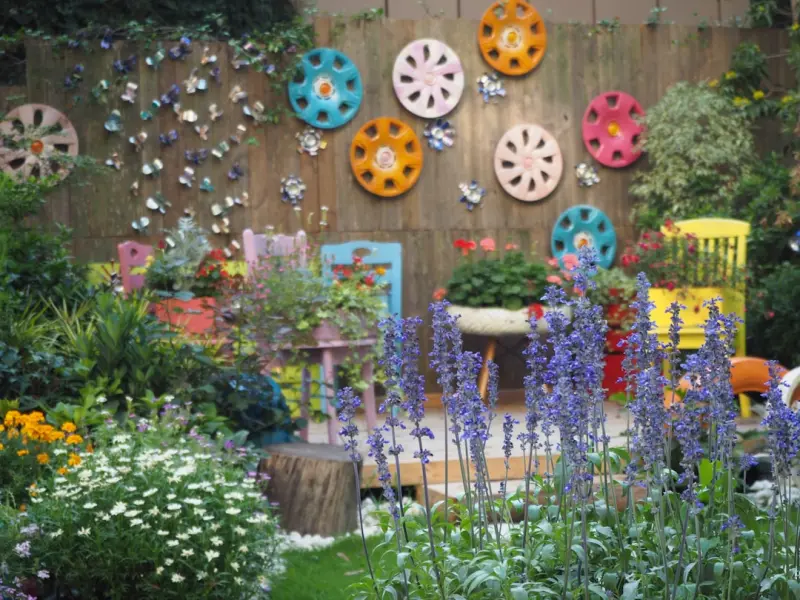
Designing a Year‑Round Sensory Garden That Feeds the Soul
Discover how to craft a multi‑season sensory garden that engages the senses, supports mental calm,... Read More
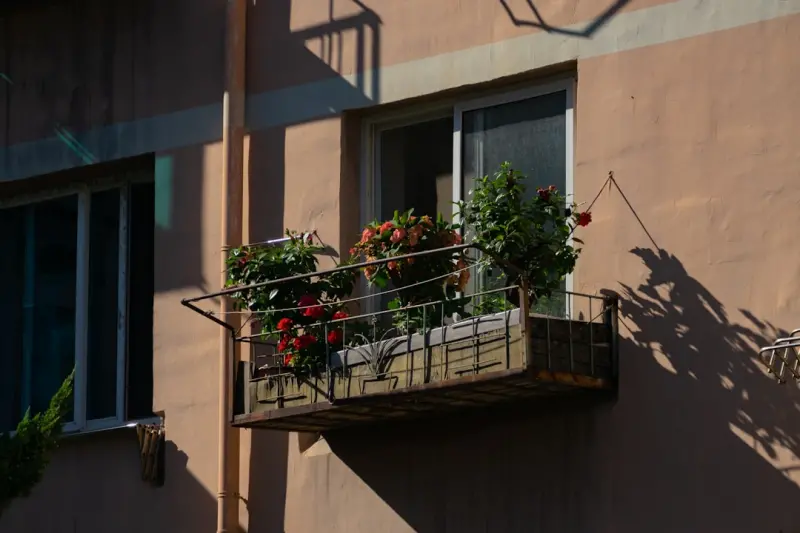
Transform Your Small Balcony into a Year‑Round Green Retreat
Discover practical steps to convert a modest balcony into a vibrant, year‑round green sanctuary us... Read More
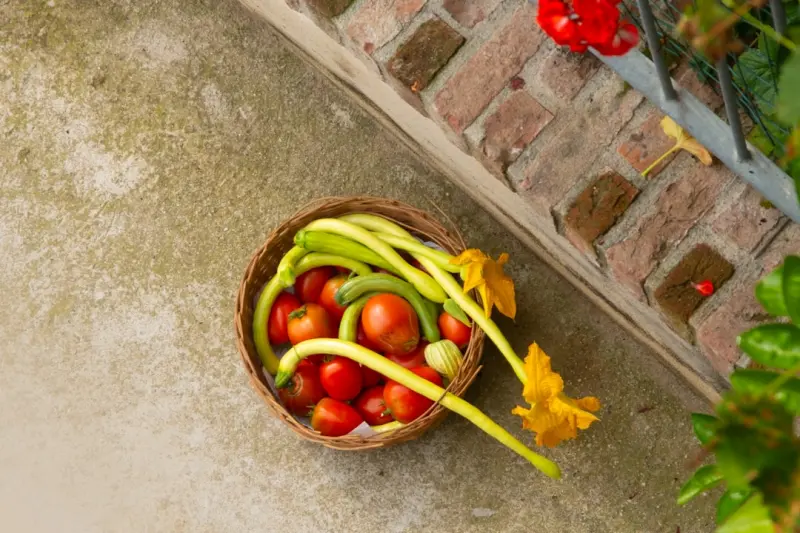
Balcony Bounty: A Year‑Round Guide to Growing Fresh Food in Small Urban Spaces
Discover a step‑by‑step plan for creating a year‑round balcony garden, from light assessment a... Read More
Top Posts
Why Community Walking Beats Solo Exercise for Whole‑Body Health
Community walking merges the benefits of aerobic exercise with the power of social connection, enhancing heart health, mood, and immune function. Learn why walk...Read More
Finding the Forest Within: How Urban Forest Bathing Recharges Body, Mind, and Career
Urban forest bathing offers a simple, science‑backed way to reset stress, boost immunity, and enhance creativity—all without leaving the city. Learn practic...Read More

Personal Care as a Strategic Edge: Crafting a Performance‑Fueling Morning Routine
Learn how a purposeful, tech‑enhanced personal care routine can sharpen focus, reduce stress, and become a silent performance multiplier for modern knowledge ...Read More

AI‑Driven Circular Economy: Turning Waste into Value
Artificial intelligence can shift waste management from reactive cleanup to proactive prevention, unlocking new revenue streams and accelerating the circular ec...Read More
0 Comments
Post Comment
You will need to Login or Register to comment on this post!