
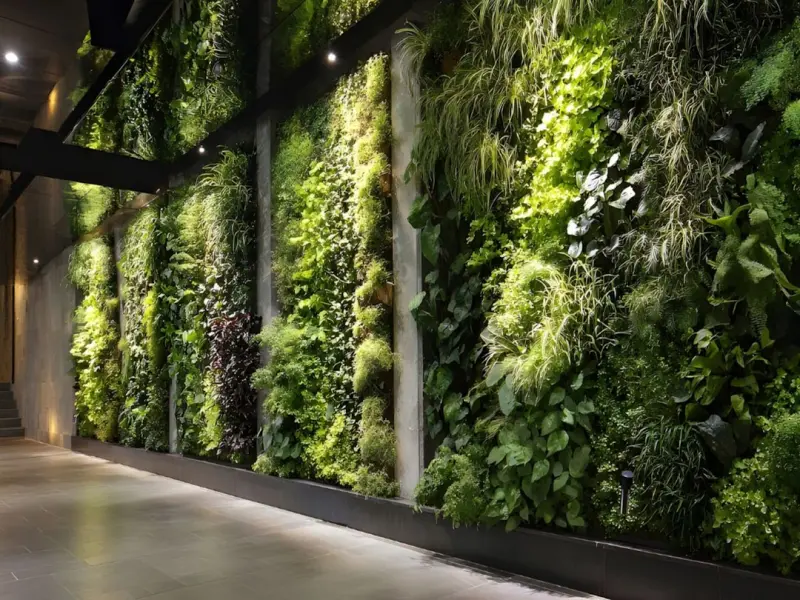
Why Vertical Gardens Are the Next Big Thing for Small‑Space Living
Living in a compact home used to feel like a compromise between style and space, but the rise of vertical gardening flips that script entirely. By turning ordinary walls into living tapestries, you not only reclaim square footage but also introduce a dynamic backdrop that breathes, shades, and even cleans the air. Vertical gardens create a three‑dimensional experience that flat potted plants simply can’t match, and the psychological boost of watching greenery grow upward is a daily reminder that even limited footprints can flourish.
Choosing the Right Wall: Light, Structure, and Load‑Bearing Considerations
The first step in any successful vertical garden is identifying a wall that can handle both the weight of soil and the moisture it demands. South‑facing exteriors bask in sunlight, making them ideal for sun‑loving succulents, while north‑facing interiors may need supplemental grow lights to keep shade‑tolerant foliage vibrant. It’s also crucial to assess whether the wall is load‑bearing; brick and concrete provide sturdy anchors, whereas drywall might require reinforced studs or a freestanding frame. By matching plant light needs to the wall’s exposure, you set the stage for a thriving, low‑maintenance masterpiece.
Plant Selection: Mixing Textures, Colors, and Growth Habits for Visual Impact
When you curate a vertical garden, think of it as composing a piece of living art—each plant contributes a brushstroke of texture, hue, and movement. Pair the sculptural spikes of agave with the soft, cascading foliage of fiddle‑leaf figs to balance boldness and delicacy. Include seasonal bloomers like impatiens or nasturtiums to inject bursts of color that shift throughout the year, keeping the wall perpetually fresh. Don’t overlook aromatic herbs such as basil and lavender; they add scent, culinary utility, and a touch of garden‑to‑table convenience without sacrificing style.
DIY Installation: From Framework to Soil Mix in Simple Steps
Building your own vertical garden doesn’t require a contractor—just a clear plan, a few tools, and a dash of patience. Start with a modular frame—think reclaimed pallet wood or a simple metal grid—secured to the wall with stainless‑steel anchors to resist rust. Next, line the frame with a waterproof liner to protect the wall from moisture, then fill pockets with a lightweight, well‑draining soil blend; a mix of peat moss, perlite, and a touch of compost works wonders. Finally, plant in layers, placing heavier, water‑loving species at the bottom and lighter, drought‑tolerant varieties toward the top. For a step‑by‑step visual guide, check out design principles that make walls talk, which offers a creative lens on turning plain surfaces into narrative canvases.
Maintenance Made Simple: Watering, Pruning, and Pest Management
One of the biggest myths about vertical gardens is that they demand endless upkeep, but with the right system, maintenance can be a breeze. Install a drip‑irrigation line behind the planter pockets, delivering consistent moisture directly to the root zone while minimizing evaporation—a technique echoed in water‑efficient planting methods for sustainable living. Prune regularly to encourage bushier growth, and rotate plants seasonally to ensure even light exposure. For pest control, opt for organic solutions like neem oil or introduce beneficial insects such as ladybugs, which keep aphids at bay without compromising the garden’s aesthetic.
Seasonal Styling Tricks: Refreshing Your Wall Year After Year
Just as you would swap out throw pillows or artwork, a vertical garden can be refreshed each season to reflect changing moods and holidays. In spring, introduce pastel‑toned blooms like primroses and sweet peas for a soft, rejuvenating palette. Summer calls for bold, tropical foliage—think philodendrons and bright geraniums—that thrive under intense sun. Autumn is perfect for deep reds and oranges, achieved with heather and chrysanthemums, while winter can be softened with evergreen succulents and ornamental grasses that provide structure even when the ground is dormant. Rotating plant varieties not only sustains visual interest but also keeps the ecosystem balanced, as different species attract varied pollinators and beneficial microbes.
Integrating Art and Function: From Living Murals to Storage Solutions
A vertical garden can double as a functional art piece when you incorporate elements like reclaimed metal sculptures, woven macramé holders, or even small shelves tucked between plant rows. These additions break up the foliage, adding depth and utility without detracting from the verdant focus. For instance, a handcrafted wooden ledge can hold garden tools, while a series of hanging terrariums provides a kinetic, floating effect that catches the eye. By blending artful design with practical features, the wall becomes a conversation starter and a usable space, enhancing both aesthetic appeal and everyday convenience.
Budget‑Friendly Solutions: Going Green Without Breaking the Bank
Creating a stunning vertical garden doesn’t have to drain your savings; many high‑impact elements are either DIY‑friendly or sourced from thrift stores. Repurpose old shoe organizers as pocket planters, use reclaimed pallets for framing, and harvest kitchen scraps for compost to enrich the soil. When buying plants, opt for cuttings from friends or local plant swaps, which can dramatically reduce costs. Even lighting can be economical—solar‑powered LED strips mounted behind the frame provide a gentle glow after dark, showcasing the garden’s texture while conserving energy. With a little ingenuity, you can achieve a lush, vibrant wall that feels upscale without the upscale price tag.
Future‑Proofing Your Vertical Oasis: Adapting to Changing Lifestyles
As homes evolve, so should the vertical garden that adorns them. Design your system with modularity in mind, allowing sections to be added, removed, or reconfigured as family needs shift or as you experiment with new plant varieties. Consider integrating smart sensors that monitor soil moisture, temperature, and light levels, sending alerts to your phone when adjustments are needed. This forward‑thinking approach not only simplifies care but also positions your garden as a living, adaptable feature that grows alongside you. Embrace the idea that a vertical garden is not a static installation but a dynamic, ever‑evolving centerpiece that can support a sustainable, aesthetically pleasing lifestyle for years to come.

Jimmy Damon loves to right on a large scale of topics with all things Canadian as this Montreal die hard loves hockey. fishing and sports.
Related Posts

From Closet Corners to Verdant Havens: Mastering Small-Scale Indoor Gardens
Learn to convert forgotten corners of your home into lush green sanctuaries using simple containers,... Read More

Harvesting Curb Appeal: A Practical Guide to Edible Front Yards
A step‑by‑step guide to converting your front yard into a beautiful, food‑producing garden, co... Read More
Cultivating Productivity: My Journey to a Garden Desk Haven
Explore the personal journey of turning a backyard into a vibrant workspace, where nature fuels focu... Read More
Top Posts

Unlock Hidden Home Real Estate: Transform Forgotten Nooks into Functional Showstoppers
Learn how to identify underutilized corners in your home and transform them into purposeful, multisensory spaces with smart storage, plants, and personalized to...Read More

How AI Is Turning Competitive Intelligence Into a Real‑Time Playbook
AI‑driven competitive intelligence turns endless market noise into a dynamic playbook, empowering product, sales, and marketing teams to act proactively and s...Read More

Rewiring Resilience: A Brain‑Training Blueprint for Modern Stress
Learn a science‑backed, step‑by‑step approach to strengthen your mind, manage stress, and enhance performance through tiny habit stacking, AI‑driven tra...Read More

Redefining Careers: How Skill Narratives Unlock Hidden Talent
Traditional job titles can stifle growth. Learn how skill narratives let employees showcase real contributions, accelerate cross‑team projects, and reduce tur...Read More
0 Comments
Post Comment
You will need to Login or Register to comment on this post!