
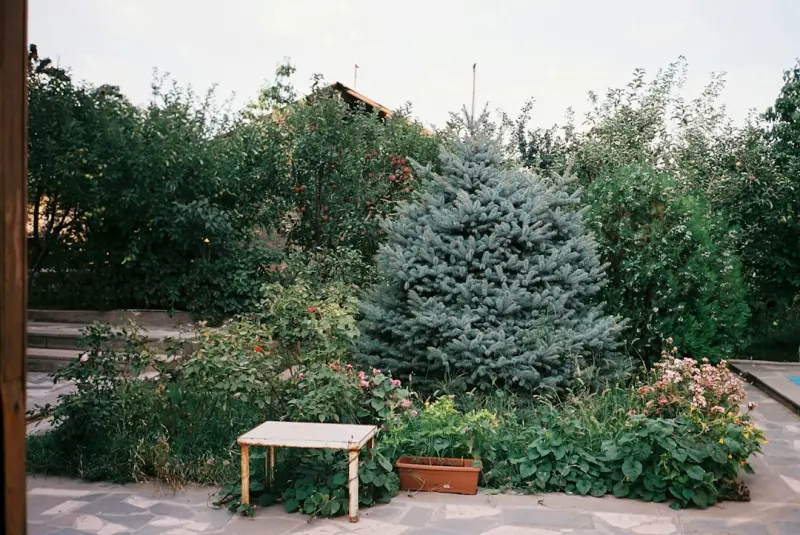
From Soil to Table: Designing an Edible Landscape That Feeds Your Family and the Planet
When I first stared at the empty plot behind my kitchen, I imagined a place to relax, a spot for a grill, maybe a few ornamental shrubs. Over the past few years, that vision has evolved into something far more ambitious—a garden that not only looks good but also puts fresh, nutritious food on my plate. The concept of an edible landscape isn’t new, but the tools, climate‑smart varieties, and design philosophies available today make it easier than ever to turn any yard into a productive, beautiful ecosystem.
In this post I’ll walk you through the mindset shift, the planning steps, and the practical tricks that helped me transition from a conventional lawn to a thriving food forest. Whether you have a sprawling suburban backyard or a modest city balcony, you’ll find ideas you can adapt to your own space.
Why an Edible Landscape?
Traditional lawns demand water, fertilizer, and regular mowing—all resources that rarely pay back in any tangible way. By contrast, an edible landscape delivers:
- Seasonal harvests: Fresh fruits, vegetables, and herbs right at your doorstep.
- Biodiversity boosts: Native plants, fruit trees, and flowering herbs attract pollinators, beneficial insects, and birds.
- Reduced carbon footprint: Growing food locally cuts transportation emissions and often requires fewer inputs.
- Therapeutic benefits: Tending to a garden is proven to lower stress and improve mental clarity.
All of these benefits line up nicely with the growing desire for sustainable living, and they also add a fresh dimension to home‑improvement projects that traditionally focus on aesthetics alone.
Step 1: Survey Your Space and Set Realistic Goals
Before you rush out to buy seedlings, take a systematic look at your site. Walk the perimeter, note sun exposure, wind patterns, and soil drainage. Sketch a rough map and mark zones that receive full sun (6+ hours), partial shade, and full shade. This simple exercise prevents costly mistakes later.
Next, ask yourself three questions:
- What foods do I love and use most?
- How much time can I realistically devote to garden maintenance each week?
- What aesthetic vibe do I want—formal beds, a wild‑looking meadow, or a structured orchard?
Answering these will shape the plant selection and layout. For instance, if you’re a fan of fresh salads, prioritize leafy greens and quick‑growing herbs. If you have limited time, choose low‑maintenance perennials like asparagus or rhubarb that come back year after year.
Step 2: Choose a Design Framework That Marries Beauty and Function
One of the most effective ways to keep an edible garden looking polished is to borrow concepts from traditional landscape design. Here are three frameworks you can adapt:
Layered Food Forest
Inspired by tropical forest strata, this approach stacks plants of different heights and root depths. At the canopy level, plant dwarf fruit trees such as Meyer lemons or peach varieties that stay under 8 feet. Beneath them, add nitrogen‑fixing shrubs like sea buckthorn or currants. The understory can host berry bushes, while the ground layer welcomes herbs, strawberries, and edible groundcovers like creeping thyme. This layering maximizes space, mimics natural ecosystems, and creates a visually lush scene.
Formal Kitchen Garden
If you prefer clean lines, arrange raised beds or square foot gardening plots in a grid. Use low hedges of boxwood or ornamental grasses to define borders, and intersperse ornamental flowers that attract pollinators—think marigolds or nasturtiums—among your vegetables. The result is an orderly, easy‑to‑maintain space that still yields a bounty.
Wild‑Style Meadow
For a more relaxed vibe, blend edibles with native wildflowers. Plant a mix of clover, yarrow, and bee balm alongside edible herbs and low‑shrubs. This design encourages a dynamic, ever‑changing look while providing food for both humans and wildlife.
Whichever framework you choose, keep the principle of visual continuity in mind: use a consistent color palette, repeat plant forms, and maintain a cohesive edge treatment. A garden that looks purposeful will be more inviting, even when it’s brimming with vegetables.
Step 3: Soil – The Unsung Hero
Good soil is the foundation of any garden, edible or ornamental. Conduct a simple soil test (many extension services offer free kits) to gauge pH and nutrient levels. Most fruit‑bearing plants thrive in slightly acidic to neutral soil (pH 6.0–7.0). If your soil is heavy clay, incorporate coarse sand and organic matter to improve drainage. For sandy soils, add compost and peat to retain moisture.
Don’t overlook the power of cover crops. Plant a winter rye or clover mix after harvest; these plants protect the soil from erosion, suppress weeds, and add organic matter when you turn them under in spring.
Step 4: Selecting the Right Plants
Here’s a starter list that balances productivity, ease of care, and visual appeal:
- Fruit Trees: Dwarf apple, pear, and plum varieties. Choose disease‑resistant cultivars.
- Berries: Blueberries (need acidic soil), raspberries, and blackberries.
- Perennial Vegetables: Asparagus, rhubarb, artichoke.
- Herbs: Rosemary, sage, thyme, oregano, and chives—great for borders.
- Annuals: Tomatoes, peppers, beans, and zucchini—plant in sunny zones.
- Edible Groundcovers: Strawberry, creeping thyme, and nasturtium (which also adds bright flowers).
When choosing varieties, prioritize those that are adapted to your local climate. Check with your regional horticultural society or browse Cultivating a Pollinator‑First Garden for tips on native selections that thrive without excessive inputs.
Step 5: Water Management – Smart Irrigation for a Resilient Garden
Efficient watering not only conserves resources but also prevents issues like root rot. Consider these strategies:
- Drip Irrigation: Lay tubing along rows or beneath mulch for slow, targeted delivery.
- Rain Barrels: Capture roof runoff to supply your garden during dry spells.
- Mulching: A thick layer of organic mulch (straw, wood chips, or shredded leaves) reduces evaporation and suppresses weeds.
By integrating a drip system with a rain barrel, you can often meet a garden’s water needs with minimal reliance on municipal water—a win for the planet and your utility bill.
Step 6: Seasonal Care Calendar
Even the most low‑maintenance edible garden benefits from a simple seasonal checklist:
| Season | Key Tasks |
|---|---|
| Early Spring | Soil testing, amend with compost, plant cool‑season crops (lettuce, peas). |
| Late Spring | Plant warm‑season vegetables, set up drip lines, mulch newly planted beds. |
| Summer | Harvest regularly, water deeply in early morning, watch for pests. |
| Fall | Plant garlic, cover crops, prune fruit trees, clean up spent plants. |
| Winter | Protect tender perennials with burlap, plan next year’s layout, enjoy the visual interest of dormant trees. |
Sticking to this rhythm keeps the garden productive and reduces the chance of overwhelming workloads—a principle echoed in Unlocking Quiet Efficiency, where small, consistent actions lead to big results.
Step 7: Harvesting and Using Your Bounty
The real reward comes when you pull a ripe tomato from the vine or snip fresh basil for a pasta sauce. To make the most of your harvest:
- Preserve: Freeze, can, or dehydrate excess produce.
- Cook Frequently: Integrate fresh greens and herbs into daily meals.
- Share: Offer surplus to neighbors—building community is a natural extension of a thriving garden.
Documenting your harvests in a simple journal or a spreadsheet helps you track yields, plan replanting, and refine your garden’s performance year over year.
Beyond Food: Adding Layers of Value
An edible landscape can serve multiple roles beyond nutrition:
Outdoor Classroom
Kids learn science, responsibility, and nutrition by watching seeds sprout and harvest cycles. Even adult learners benefit from hands‑on interaction with soil and plant biology.
Wildlife Habitat
Fruit trees and berry bushes provide food for birds, while flowering herbs attract beneficial insects that help control pests naturally.
Therapeutic Space
Spending time among growing plants reduces cortisol levels and improves mood. Consider adding a small seating nook, a reclaimed wooden bench, or a hammock to create a place for mindful pauses.
Common Pitfalls and How to Avoid Them
Even seasoned gardeners stumble. Here are a few mistakes I’ve seen and quick fixes:
- Over‑planting: Crowded beds compete for nutrients and sunlight. Space plants according to their mature size; thin seedlings early.
- Ignoring Soil Health: Skipping compost or cover crops leads to nutrient depletion. Refresh soil annually with organic matter.
- Choosing the Wrong Varieties: Not all fruit trees thrive in every zone. Use local extension recommendations to select climate‑appropriate cultivars.
- Neglecting Pest Management: Rely on a single method. Combine companion planting, hand‑picking, and organic sprays as needed.
Putting It All Together – A Sample Layout for a Mid‑Size Yard
Imagine a 40 × 60 foot yard divided into three zones:
- North‑East Corner (Sun‑Heavy): Dwarf apple tree, blueberry bushes, a raised bed with tomatoes, peppers, and basil.
- South‑West Corner (Partial Shade): Asparagus bed, rhubarb patch, and a low hedge of ornamental grasses.
- Center Strip (Transition Zone): Curving pathway lined with creeping thyme and nasturtium, leading to a small patio with a reclaimed table for post‑harvest meals.
This layout showcases vertical layering, functional pathways, and a dedicated eating area—all while keeping the overall look cohesive and garden‑friendly.
Final Thoughts: Your Garden as a Living Investment
Turning a yard into an edible landscape isn’t just a home improvement project; it’s an investment in health, sustainability, and community. By approaching the design thoughtfully, respecting the site’s natural conditions, and selecting plants that serve both aesthetic and nutritional purposes, you create a space that rewards you season after season.
If you’re ready to start, grab a notebook, walk your property with fresh eyes, and begin sketching. Remember, the most successful gardens evolve over time—there’s no need for perfection on day one. Each seed you plant is a step toward a more resilient, flavorful, and beautiful home.

Paul Flynn is a versatile freelance writer equipped with a diverse skillset and a portfolio that reflects his wide-ranging interests and expertise. From crafting compelling website copy and engaging blog posts to delivering in-depth articles and meticulously researched reports, Flynn demonstrates a remarkable ability to adapt his writing style to suit various audiences and purposes.
Related Posts

The Secret Power of Window Boxes: Turning Light Into Lush
A heartfelt guide shows how a modest window box can turn a concrete view into a vibrant garden, offe... Read More

Designing a Sensory Garden: A Fresh Take on Outdoor Wellness
A sensory garden engages sight, sound, smell, touch, and taste, turning any outdoor area into a ther... Read More

Designing a Pet‑Friendly Garden: Safety, Fun, and Style
Learn to blend safety, fun, and design in a pet‑friendly garden with practical tips on soil, plant... Read More
Top Posts

Seeing the Light: How to Use Illumination for Better Health While Working Remotely
Learn how to audit your lighting, choose the right bulbs, sync illumination with your circadian rhythm, and pair light with simple health habits for a brighter,...Read More

Beyond the Desk: Distributed Decision‑Making as the New Employment Engine
In an era where talent seeks autonomy, distributed decision‑making is emerging as the catalyst for a more engaged, innovative workforce. This post examines wh...Read More

Employee Innovation Labs: Turning Frontline Insight into Business Growth
Employee innovation labs give frontline workers a structured pathway to prototype ideas, accelerating product validation, cutting costs, and boosting engagement...Read More

The Unseen Power of Sensory Micro‑Rituals in Everyday Personal Care
A deep dive into the world of sensory micro‑rituals—simple, bite‑size actions that leverage light, texture, scent, sound, and taste to enhance mood, focus...Read More
0 Comments
Post Comment
You will need to Login or Register to comment on this post!