
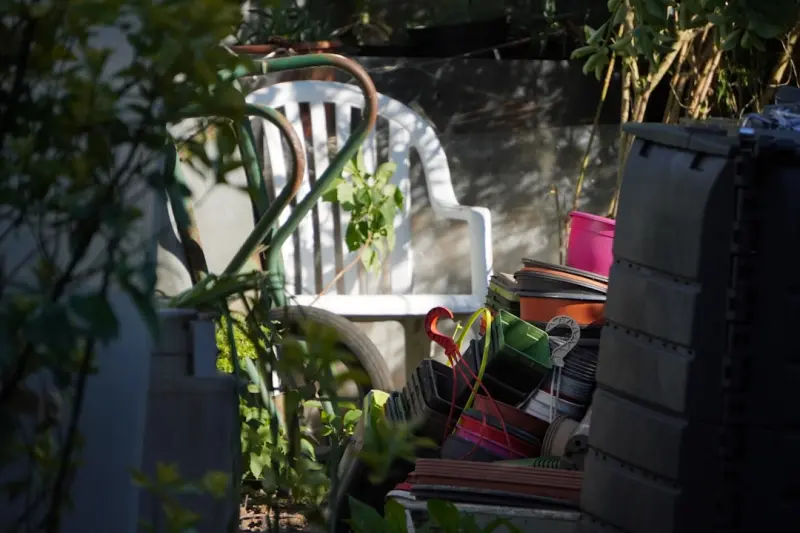
Upcycled Garden Chic: Turning Everyday Trash into Outdoor Treasures
When I first rescued a weather‑worn wooden pallet from the curbside, I didn’t see a pile of discarded lumber—I saw the skeleton of a future garden sanctuary, waiting for a fresh coat of imagination and paint; that moment sparked a lifelong romance with repurposing, where each rescued bottle, rusted metal frame, or forgotten piece of furniture becomes a canvas for sustainable style that whispers stories of renewal to every passerby. Upcycling isn’t just a budget hack; it’s an intentional design philosophy that lets you curate a garden that feels uniquely yours while honoring the planet, and the best part is that you can start with the items you already have lying around, transforming them into eye‑catching features that rival anything you’d buy new.
Why Upcycling Beats Buying New
First, the environmental impact of producing brand‑new garden décor is staggering—forests are felled, metals are mined, and chemicals leach into the soil—whereas repurposing diverts waste from landfills and cuts down the carbon footprint of your outdoor oasis, turning what would be trash into treasure with a modest amount of creativity and elbow grease; second, the tactile joy of hand‑crafting a piece yourself imbues your garden with personality that mass‑produced items simply can’t replicate, creating conversation starters that invite neighbors to ask, “Where did you find that?” and opening doors to a community of fellow upcyclers who love sharing tips and tricks. Personal expression and ecological responsibility intertwine beautifully in this approach, making every corner of your yard a testament to thoughtful stewardship.
Scouting Materials: From the Dumpster to Your Deck
The adventure begins with a keen eye for potential—local thrift stores, construction sites (with permission), and even your own kitchen can be treasure troves, and when you stumble upon a stack of reclaimed bricks or a set of mismatched wine barrels, imagine them as raised beds, edging, or whimsical planters that add texture and depth without a price tag; don’t overlook the humble cardboard box either, which can become a biodegradable seed‑starting station, especially when paired with the tips from our home composting guide for turning kitchen waste into nutrient‑rich soil.
DIY Projects: From Pallet Planters to Bottle Bowers
One of my favorite quick wins is converting a simple pallet into a tiered herb garden—sandwich the slats with landscape fabric, add a drip line, and you’ve got a vertical oasis that maximizes space and adds a rustic charm; another crowd‑pleaser is the glass bottle bowers, where you slice the tops off old soda bottles, paint the rims a pop of color, and fill them with trailing vines or succulents, creating a whimsical, low‑maintenance display that catches the eye from any angle. For a larger statement piece, consider repurposing an old wooden bike frame into a garden trellis; the curved geometry supports climbing roses or beans while the metal accents add industrial flair, proving that even forgotten transportation can find new life supporting growth.
Finishing Touches: Paint, Patina, and Personality
A splash of weather‑resistant paint or a coat of natural oil can transform a drab reclaimed chair into a bold patio perch, and experimenting with distressed finishes—like a chalky white wash over reclaimed wood—adds a weathered elegance that feels instantly lived‑in; don’t forget to incorporate sensory elements such as scented herbs or wind chimes made from repurposed metal, which tie back to our scent garden ideas for a garden that delights the nose as well as the eye. By layering texture, color, and sound, you create a multidimensional space that invites lingering and makes every upcycled piece feel like a deliberate masterpiece.
Budget‑Friendly Upcycling for Small Spaces
If you’re limited by square footage, think vertically: reclaimed ladders become tiered shelving for potted herbs, while old window frames turn into compact greenhouse windows that trap heat and extend the growing season; a set of mismatched tin cans can be stacked into a charming spice‑garden tower that fits snugly on a balcony railing, and a salvaged wooden crate, once sanded and sealed, serves as a portable potting bench that slides in and out of a narrow shed as needed. These clever adaptations let you maximize every inch without breaking the bank, proving that a petite garden can still boast big personality and sustainability credentials.
Sustainability Wins: Reducing Waste, Boosting Biodiversity
Every upcycled element you introduce not only cuts down on landfill contributions but also creates micro‑habitats that encourage beneficial insects—think of a repurposed terracotta pot filled with native wildflowers attracting pollinators, or a stack of broken bricks forming a rock garden that shelters ladybugs and ground beetles, natural pest controllers that keep your vegetable beds healthy; moreover, using reclaimed wood for raised beds helps retain moisture longer than fresh lumber, reducing irrigation needs and conserving water. By weaving these ecological benefits into your design, you turn a simple garden makeover into a small‑scale environmental stewardship project that pays dividends in biodiversity and garden vigor.
Conclusion: Your Garden, Your Story
When you look out at a garden built from reclaimed pallets, painted barrels, and rescued metal, you’re not just seeing a collection of objects—you’re witnessing a narrative of transformation, where each piece tells a story of second chances and creative ingenuity, and that narrative invites you to return day after day, tending to both plants and memories; I encourage you to start small, experiment boldly, and share your successes with fellow gardeners, because the most rewarding gardens are those that grow alongside the community that helped build them. Ready to give your backyard a fresh, sustainable makeover? Dive into the world of upcycling and watch your outdoor space blossom with purpose and personality.

When it comes to the world of blogging and writing, Rose DesRochers is a name that stands out. Her passion for creating quality content and connecting with her audience has made her a trusted voice in the industry. Aside from her skills as a writer and blogger, Rose is also known for her compassionate nature.
Related Posts
Smart Backyard Makeover: Turning Your Outdoor Space into a Connected Retreat
Learn to blend technology and nature, creating a connected backyard that boosts productivity, enhanc... Read More
Cultivating a Sensory Garden: A Multi‑Sensory Retreat for Home & Garden Lovers
Learn step‑by‑step how to build a sensory garden that awakens all five senses, offering a soothi... Read More
Creating an Outdoor Reading Nook: A Garden Library for the Soul
Discover how to build a garden library that blends comfort, style, and nature, turning any outdoor s... Read More
Top Posts

From Sketches to Stories: How Travel Journaling Fuels Personal Growth
Explore the power of travel journaling as a tool for memory, mindfulness, and creative inspiration. Learn practical tips, avoid common pitfalls, and turn your j...Read More

Night‑Time Skincare Meets Wearable Tech: A New Frontier
A data‑driven night‑time skincare routine that blends wearable insights, optimal environment, and targeted products to enhance sleep quality, skin health, a...Read More

AI’s Quiet Power: Redefining Empathy in Customer Service
Discover how AI can boost genuine empathy in customer support by analyzing tone, context, and even ambient sound, turning routine interactions into meaningful, ...Read More

Why Traveling the Unknown Turns You Into a Better Decision‑Maker
Exploring unfamiliar places forces rapid choices, cultural decoding, and resilience, training the brain for better decision‑making and innovation back at work...Read More
0 Comments
Post Comment
You will need to Login or Register to comment on this post!