
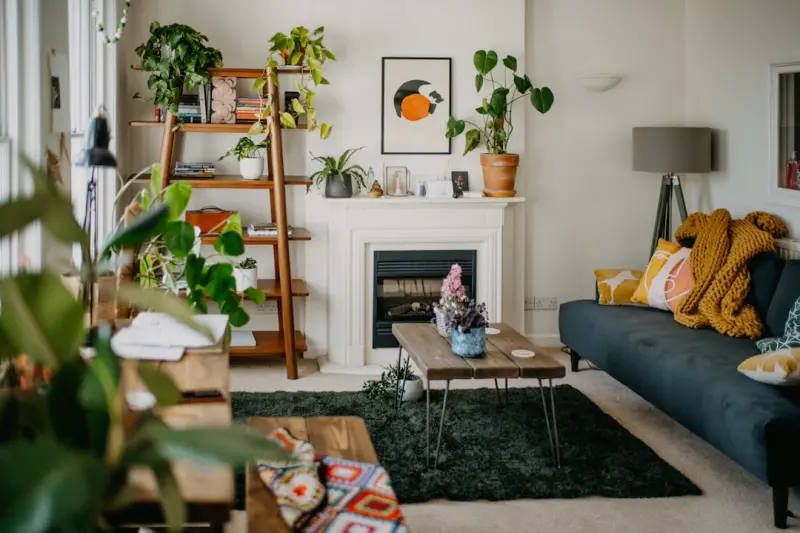
Why an Indoor Green Oasis Is the Modern Home’s Secret Weapon
Living in a compact apartment can feel like you’re constantly juggling limited square footage and the desire for a breath of fresh air. I’ve learned that a curated collection of houseplants does more than just fill a corner—it transforms the entire atmosphere, turning a cramped studio into a sanctuary of calm and creativity. Plants act as natural air purifiers, filtering out pollutants while releasing oxygen, which can subtly lift your mood and sharpen focus during a work‑from‑home day. When you walk into a room alive with green, the visual stimulus alone can reduce stress hormones, making you feel more grounded and productive. In my own loft, the simple act of arranging a trailing pothos by the window has become a daily ritual that signals the shift from “just waking up” to “ready to thrive.”
The Psychological Perks of Greenery in Small Living Areas
Research consistently shows that exposure to nature, even in miniature form, triggers the brain’s relaxation response, lowering heart rate and blood pressure. I’ve noticed that the act of caring for a plant—checking soil moisture, misting leaves—creates a mindful pause that interrupts the endless scroll of digital distractions. This tiny, intentional ritual can become a cornerstone of a broader self‑care practice, especially when you pair it with a comfortable reading nook or a standing desk. Moreover, the subtle variations in leaf texture and color provide a visual feast that keeps the mind engaged without overwhelming it, fostering a sense of wonder that’s often missing in urban dwellings. By integrating greenery into your daily routine, you’re essentially inviting a pocket of nature to work alongside you, boosting both mental clarity and emotional resilience.
Choosing the Right Plants for Low‑Light, Low‑Maintenance Spaces
When floor space is at a premium, vertical real estate becomes your best friend, and the plant selection must reflect the light conditions you have to work with. Succulents and cacti, while popular, often demand bright, direct sunlight—a luxury in most city apartments—so I gravitate toward shade‑tolerant species like ZZ plants, snake plants, and philodendrons that thrive in indirect light. These greens are not only forgiving but also have a sleek, architectural silhouette that complements modern décor. For a touch of softness, consider adding a pothos or heart‑leaf philodendron, whose trailing vines can cascade from hanging planters, adding depth without occupying valuable floor area. Pairing these hardy choices with a well‑draining potting mix ensures that over‑watering—one of the most common plant‑killer mistakes—remains a thing of the past, letting you focus on the joy of growth rather than the anxiety of upkeep.
Designing a Functional Layout: Furniture That Marries Form and Flora
Integrating plants into your living space doesn’t mean sacrificing style; it’s about selecting furniture that doubles as a plant platform. I love using narrow console tables or slim ladder shelves that can hold a row of small pots, turning an ordinary piece into a living statement. A reclaimed wood coffee table with a built‑in planter box not only adds rustic charm but also creates a focal point that draws the eye toward the greenery. For those who enjoy a little extra privacy, a freestanding screen with built‑in pockets for succulents can act as a room divider while softening the visual impact of open‑plan living. When arranging these elements, think about the flow of natural light and the visual balance—placing taller plants near windows and trailing vines near seating areas ensures that each green companion contributes to a cohesive, harmonious environment.
Vertical Gardens and Living Walls: Maximizing Height in Tiny Homes
One of the most exciting ways to bring a burst of foliage into a limited footprint is by installing a vertical garden or living wall. These installations can be as simple as a set of wall‑mounted pocket planters or as elaborate as a modular panel system that supports a variety of species. I recommend starting with a lightweight frame that can be anchored to drywall with sturdy anchors, then filling the pockets with a mix of ferns, ivy, and small flowering plants to create texture and seasonal interest. Not only do living walls serve as an eye‑catching backdrop, but they also help regulate indoor humidity, creating a micro‑climate that benefits both your health and the surrounding décor. When you design your vertical garden, consider the irrigation method—self‑watering modules make maintenance a breeze, especially for busy homeowners.
DIY Hydroponic Shelf: Growing Fresh Greens All Year Round
For those craving a harvest of fresh herbs and lettuce without sacrificing precious soil space, a hydroponic shelf offers an elegant solution. I built my own using reclaimed wooden crates and a simple nutrient‑rich water system, guided by the principles outlined in hydroponic indoor garden tutorials. The setup involves a shallow tray, a pump to circulate water, and an LED grow light to mimic sunlight, ensuring consistent growth regardless of the season. Because the roots are suspended in water, you eliminate the mess of soil and reduce the risk of pests, making it perfect for apartment living. Plus, the visual appeal of sleek, mist‑laden tubes adds a modern, tech‑savvy aesthetic that complements contemporary interiors. Regularly harvesting the produce not only supplies your kitchen with nutritious ingredients but also reinforces a rewarding cycle of nurturing and reaping.
Eco‑Friendly Practices: Integrating Rainwater Harvesting Into Indoor Gardening
Even in a city apartment, you can embrace sustainable gardening by adopting a compact rainwater harvesting system. Small rain barrels or sleek indoor collection trays can be placed near windows or balcony doors to capture runoff, which is then filtered and stored for watering your plants. This practice reduces reliance on municipal water and cuts down on utility bills, while the cooler temperature of collected rainwater can be gentler on delicate foliage. I pair my rainwater collection with a simple charcoal filter to ensure the water remains clean, then use a drip irrigation kit to deliver precise amounts to each pot, preventing over‑watering. By integrating this loop, you not only nurture your indoor oasis but also contribute to a larger environmental ethic—turning every drop into garden gold.
Final Thoughts: Your Personal Green Retreat Awaits
Creating an indoor green oasis in a small home is less about having a sprawling garden and more about curating a thoughtful, functional collection of plants that enhance both aesthetics and well‑being. From selecting low‑light champions to installing a vertical garden, each decision builds a layered experience that supports mental health, boosts productivity, and adds a splash of natural beauty to daily life. Embrace the process—experiment with different species, play with placement, and watch as your space evolves into a living sanctuary that reflects your personality and values. As you nurture these green companions, you’ll find that the true reward isn’t just a prettier home, but a calmer, more inspired you.

When it comes to the world of blogging and writing, Rose DesRochers is a name that stands out. Her passion for creating quality content and connecting with her audience has made her a trusted voice in the industry. Aside from her skills as a writer and blogger, Rose is also known for her compassionate nature.
Related Posts
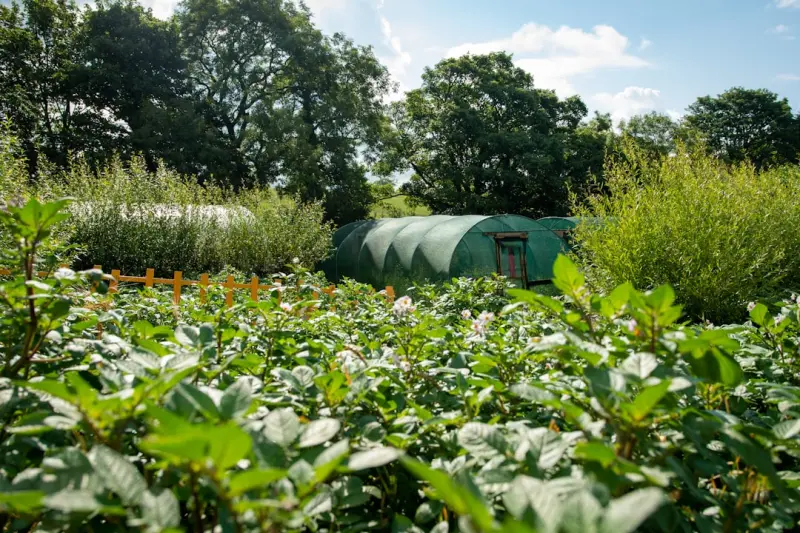
Seasonal Scent Curation and Sustainable Garden Design: A Fresh Take on Home & Garden
Explore innovative ways to curate seasonal scents, create wildlife corridors, and use recycled mater... Read More
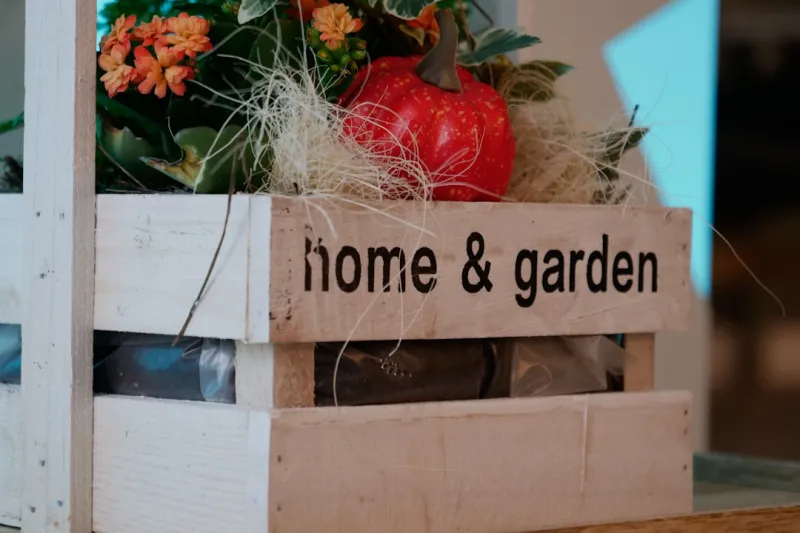
From Backyard to Boardroom: How My Garden Desk Revolutionized Home Life
Jimmy Damon shares his journey of turning a simple garden desk into a thriving outdoor office, boost... Read More

Front Porch Renaissance: Reimagining Community at Home
The front porch is being redefined as a semi‑public space that nurtures neighborly connections, su... Read More
Top Posts
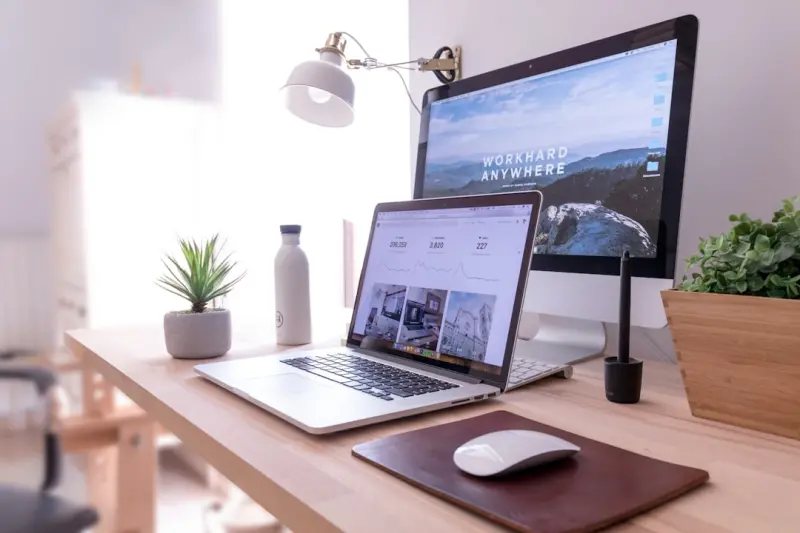
Designing a Home Workspace That Grows With You
Discover practical strategies for building a flexible home workspace—zone planning, modular furniture, smart lighting, and simple air quality hacks—that evo...Read More

The Sensory Reset: Redefining Personal Care Through Touch, Sound, and Scent
A deep dive into how engaging touch, sound, and scent can turn ordinary personal care habits into powerful rituals, improving mood, skin health, and overall res...Read More

How an Internal Personal Brand Can Future‑Proof Your Career
Learn why cultivating an internal personal brand is the modern shortcut to career growth, and get a step‑by‑step guide to make yourself indispensable at wor...Read More

Flavor Trails: Crafting a Culinary Road Trip Across the Country
Explore a fresh travel angle: use food as your compass, plan seasonal stops, and create portable kitchen moments for an unforgettable culinary road trip....Read More
0 Comments
Post Comment
You will need to Login or Register to comment on this post!