
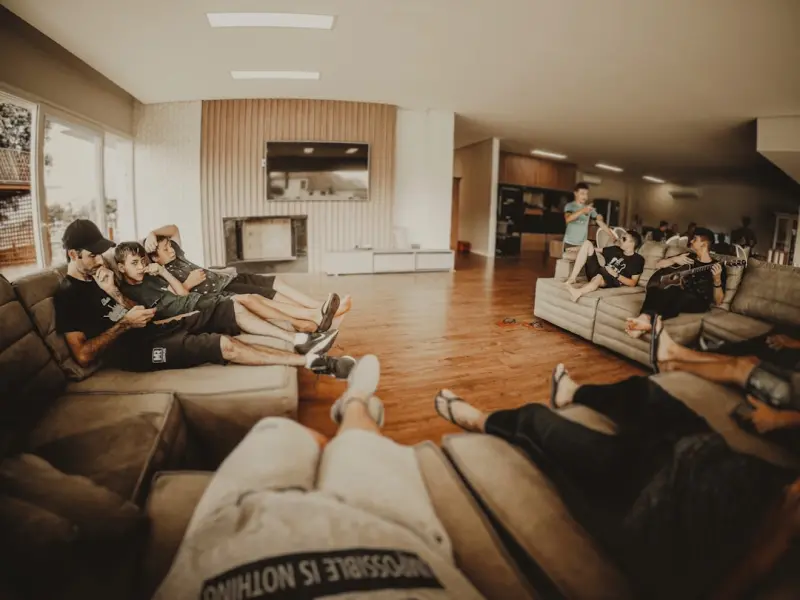
Why Virtual Fitness Communities Matter More Than Ever
When the world turned its living rooms into boardrooms, the kitchen table into a desk, and the bedroom into a gym, I discovered something surprising: the real magic of staying active isn’t the equipment we use, but the people we share the journey with. Virtual fitness communities have become the hidden glue that turns solitary sweat sessions into shared celebrations. They provide the accountability, encouragement, and social proof we crave, especially when the only “gym buddy” we can see is a pixelated avatar on a screen.
Psychology of Belonging in an Online Space
Humans are wired for connection. Evolutionarily, our ancestors survived because they moved together in packs, hunting, gathering, and protecting one another. That same tribal instinct lives on in our modern desire to belong. In a virtual fitness setting, belonging manifests as:
- Social validation: Likes, comments, and shout‑outs on a post make us feel seen.
- Shared rituals: Weekly challenges, live‑streamed classes, and “post‑workout selfie” traditions create a rhythm.
- Collective identity: Wearing the same branded tee, using a community hashtag, or adopting a group nickname reinforces the feeling of “we’re in this together.”
Research shows that when we feel part of a community, our intrinsic motivation spikes, and we’re more likely to stick to a routine. The micro‑movement moments article highlighted how tiny bursts of activity can reset our nervous system; when those bursts happen alongside cheering teammates, the effect compounds exponentially.
Designing a Home Workout Space That Works
Before you dive into a virtual class, ask yourself: “Where will I move?” The space you choose can either invite distraction or foster focus.
- Clear the clutter: A tidy floor reduces tripping hazards and signals to your brain that this is a dedicated zone.
- Lighting matters: Natural light boosts mood and helps regulate circadian rhythm, while soft, warm bulbs create a calming ambiance for yoga or pilates.
- Soundscape: Even if you’re not a fan of acoustic hacks, a simple white‑noise app or a playlist of low‑tempo beats can drown out household chatter.
- Personal touches: A plant, a motivational quote, or a small trophy from a past race makes the area feel personal and rewarding.
In fact, the Transform Your Home Office into a Productivity Powerhouse guide reminded readers that a well‑designed environment can boost focus; the same principle applies when you repurpose that office for a high‑intensity interval session.
Tech Tools That Keep You Accountable
Technology is no longer a distraction; it’s an ally. Here are a few categories of tools that make virtual fitness feel effortless:
- Live‑stream platforms: Zoom, Instagram Live, and dedicated fitness apps let you see instructors in real time, ask questions, and get instant feedback.
- Wearable trackers: Devices that monitor heart rate, steps, and sleep give you a data‑driven view of progress, turning vague feelings into concrete metrics.
- Community forums: Slack channels, Discord servers, or private Facebook groups become the virtual water cooler where members swap tips, post progress pics, and celebrate milestones.
- Gamified challenges: Apps that award points, badges, or even cryptocurrency for hitting daily movement goals turn exercise into a game you actually want to play.
Choosing a platform that aligns with your personality matters. If you love friendly competition, a leaderboard‑centric app will keep you motivated. If you’re more reflective, a journal‑style community where members share stories and reflections may be the perfect fit.
From Gamified Challenges to Real Results
Gamification isn’t just a buzzword; it taps into the brain’s dopamine pathways. When you complete a challenge, you receive a small “win” that reinforces the behavior. Over time, these micro‑wins stack, creating a habit loop that feels natural rather than forced.
Consider a 30‑day “step‑up” challenge where participants aim to increase their daily step count by 500 each week. The community shares screenshots of their tracker apps, offers encouragement, and celebrates every milestone. By the end of the month, many have added a sustainable 2,000‑step increase to their daily routine—an achievement that feels both personal and collective.
Sustaining Momentum Without Burnout
Even the most enthusiastic community can falter if the pace is too aggressive. Here are three strategies to keep the fire alive while preventing fatigue:
- Periodization: Borrowed from elite sports, this means cycling through phases of intensity—high, moderate, and recovery weeks—to give the body and mind a chance to adapt.
- Flexible programming: Offer “low‑impact” alternatives (e.g., chair yoga or gentle stretching) for days when energy is low or injuries arise.
- Community check‑ins: Schedule regular “pulse” meetings where members discuss how they feel, share obstacles, and adjust the group plan accordingly.
When members feel heard and see that the community respects their limits, they’re far more likely to stay engaged for the long haul.
Putting It All Together: Your First 30‑Day Plan
Ready to launch your own virtual fitness journey? Follow this step‑by‑step blueprint:
- Pick a niche: Choose a focus that resonates—HIIT, dance cardio, mobility, or mindfulness movement.
- Find or create a community: Search existing groups on social platforms or start a private Discord server for friends, coworkers, or neighborhood neighbors.
- Set up a dedicated space: Apply the design tips above. Even a 6‑by‑6‑foot corner can become a sanctuary.
- Choose a tech stack: Pair a live‑stream service with a wearable tracker and a community forum.
- Launch a starter challenge: Keep it simple—e.g., “Complete three 20‑minute sessions this week.” Celebrate every completion publicly.
- Collect data: Use tracker stats to monitor progress and share aggregate results with the group.
- Iterate: After two weeks, ask for feedback. Adjust intensity, add new classes, or introduce a rest day if needed.
Remember, the goal isn’t perfection; it’s consistency wrapped in connection. By integrating social support, intentional environment design, and technology, you’ll find that staying active becomes less of a chore and more of a shared adventure.
Beyond the Screen: Translating Virtual Wins to Real‑World Health
Virtual fitness isn’t an end in itself; it’s a bridge to broader well‑being. When you feel stronger, more energetic, and mentally clear, those benefits spill over into:
- Nutrition: Regular movement often inspires healthier food choices, creating a virtuous cycle.
- Sleep: Consistent exercise helps regulate sleep patterns, improving restorative rest.
- Mental resilience: The sense of belonging reduces stress hormones, supporting emotional balance.
In my own practice, I pair a weekly virtual cycling class with a personal care ritual of a post‑ride herbal tea and a few minutes of breathwork. The ritual signals to my brain that the workout is complete, allowing me to transition smoothly into rest or work mode.
Ultimately, health isn’t a solitary pursuit; it thrives on community, routine, and thoughtful design. By embracing virtual fitness communities, you tap into a powerful network that keeps you moving, motivated, and mindful—no matter where you set down your mat.

Armed with a degree in English Literature, Jill’s journey into the digital space wasn't just a career move; it was a natural extension of her lifelong love affair with storytelling. While some writers view search engine optimization (SEO) as a rigid constraint, Jill sees it as a creative puzzle. She understands the delicate art of balancing the algorithmic demands of search engines with the human desire for resonance, emotion, and value. To Jill, keywords aren't just targets to hit; they are the breadcrumbs that lead eager readers straight to the answers they’ve been searching for.
Related Posts

Cold Therapy at Work: Boost Energy and Immunity with Simple Chills
Integrating short bursts of cold—like a face splash or a quick ice‑water hand dip—into the wor... Read More

Cold Exposure: The Under‑Utilized Tool for Resilience and Performance
Cold therapy, when applied correctly, can sharpen mental clarity, strengthen immune response, and in... Read More

The Quiet Morning Reset: How Silent Starts Transform Health
A quiet morning routine isn’t just soothing—it’s a powerful health hack. Learn how a few minut... Read More
Top Posts
Micro‑Internships: The New Fast‑Track to Career Mastery
Explore the rise of micro‑internships, a flexible way to gain real‑world experience, showcase results, and fast‑track your professional growth....Read More

The Quiet Power of a Digital Declutter: Reclaiming Mental Space
A personal guide to reducing digital noise, using strategic unplugging, structured play, and biofeedback to create mental clarity and lasting emotional resilien...Read More

Culinary Cartography: Mapping the World Through Street Food
Travel becomes richer when food leads the way. This guide shows how to design a culinary-first itinerary, find authentic flavors, and balance digital boundaries...Read More

Embracing Natural Materials: A Low‑Tech Path to a Healthier Home
Explore low‑tech strategies for using natural wood, stone, and textiles to boost comfort, air quality, and timeless style in your home....Read More
0 Comments
Post Comment
You will need to Login or Register to comment on this post!