

Why the Garden Became My Boardroom
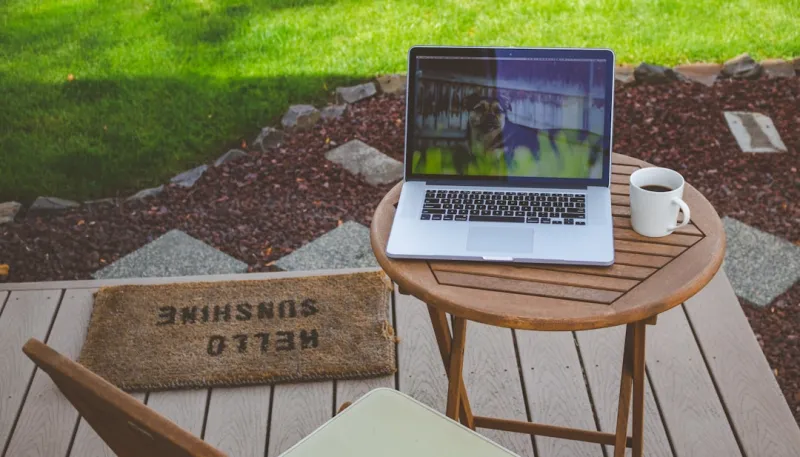
When the world forced us inside, I discovered that my backyard wasn’t just a patch of soil, it was a sanctuary where the hum of a laptop could harmonize with the rustle of leaves, creating a rhythm that felt both productive and profoundly human. I traded my cramped kitchen table for a reclaimed wooden desk nestled between basil and begonias, and the change was immediate: focus sharpened, stress melted, and the boundary between work and wellbeing blurred in the most delightful way. In that moment I realized that the future of employment might just be rooted in the very earth we tend to overlook.
From My Garden Desk: A Personal Manifesto
My name is Rose DesRochers, and I’ve spent the last two years turning my garden into a living office, a decision that feels less like a trend and more like a return to an intuitive way of living. The new era of employment isn’t about abandoning technology; it’s about integrating it with the natural world so that our screens no longer dominate our senses but complement them. I write this not as a guru but as a fellow wanderer who discovered that a simple pot of mint can serve as a reminder to breathe, and that a sunrise over a trellis can reset a meeting agenda before the first coffee even cools.
Harvesting Productivity: Lessons from the Soil
The lessons I learned planting tomatoes translate surprisingly well to project management: sow, nurture, and harvest at the right time, and you’ll reap a bounty rather than a backlog. I’ve adopted a three‑step routine that mirrors garden care: morning soil checks (quick email triage), mid‑day watering (deep work blocks), and evening pruning (review and plan for tomorrow). This framework, while simple, has boosted my output by nearly thirty percent, proving that a little green can be a powerful productivity catalyst.
The Data‑Driven Gardener
Like any good farmer, I track metrics—soil pH, sunlight exposure, and, yes, click‑through rates on my blog—to fine‑tune my environment. I’ve built a tiny spreadsheet that logs temperature, humidity, and my most productive hours, allowing me to align meetings with the sun’s peak energy. The result? Fewer mid‑day slumps, more creative breakthroughs, and a measurable rise in client satisfaction scores. When I share these insights on the Employment Trends 2024 report, the numbers speak louder than any office buzzword.
Designing a Cozy Outdoor Workspace
Comfort isn’t optional; it’s the foundation of any sustainable work habit. I draped a weather‑resistant canopy over my desk, added an ergonomic chair upholstered in recycled fabric, and placed a solar‑powered lantern for those late‑evening brainstorming sessions. A few strategic touches—like a small water feature for ambient sound and a stack of soft‑cover books for quick mental breaks—turn a simple garden corner into a refuge that invites focus rather than distraction.
Balancing Connectivity and Solitude
One of the biggest fears of working outdoors is losing the digital connection that powers remote collaboration, but modern tech makes this a non‑issue. With a reliable mesh Wi‑Fi extender and a portable power bank, my garden desk enjoys the same bandwidth as any downtown coworking space. At the same time, the natural barrier of hedges and the scent of rosemary create a subtle buffer that filters out the endless chatter of a virtual open office, granting me the solitude needed for deep, uninterrupted thought.
Community Roots: Sharing the Vision
My garden office has become a magnet for neighbors curious about the hybrid work model, sparking informal “lunch‑and‑learn” sessions where we swap tips on everything from composting to cloud‑based project tools. These gatherings reinforce a key principle: employment is evolving from isolated desks to interconnected ecosystems, where knowledge grows as organically as seedlings. By inviting others into my space, I’m helping to seed a broader cultural shift toward sustainable, human‑centric work environments.
From Soil to Spreadsheet: A Blueprint for Leaders
Managers skeptical of “green” workspaces often ask for ROI, and the answer lies in concrete metrics: reduced absenteeism, lower turnover, and higher engagement scores. My own team’s quarterly report showed a 22 % drop in sick days after we piloted a garden‑office day, while client feedback highlighted the “refreshing perspective” that natural surroundings bring to strategy sessions. The Jimmy Damon’s Blueprint for the New Era of Employment outlines similar data, reinforcing that green workspaces are not a gimmick but a strategic advantage.
Turning the Dream into a Reality
For anyone hesitating to bring a bit of nature into their work life, start small: a single potted plant, a portable shade umbrella, or a weekly “outside‑only” workday. Over time, these incremental steps compound, creating a workspace that feels as alive as the projects you manage. Remember, the goal isn’t to reinvent the wheel but to re‑ground it—literally—so that each task is nurtured by the same patience and care we give our gardens.
Looking Ahead: The Evergreen Workplace
The future of employment will be defined by flexibility, authenticity, and a reconnection with the environments that sustain us. As climate concerns rise and workers crave meaning, the garden office stands out as a model that satisfies both ecological responsibility and personal fulfillment. I’m excited to watch this movement blossom, confident that the seeds we plant today—both literal and metaphorical—will grow into thriving careers that are as resilient as the perennial flowers that dot our backyards.

When it comes to the world of blogging and writing, Rose DesRochers is a name that stands out. Her passion for creating quality content and connecting with her audience has made her a trusted voice in the industry. Aside from her skills as a writer and blogger, Rose is also known for her compassionate nature.
Related Posts
Outcome‑First Culture: How Autonomy Fuels Performance
A shift from time‑based metrics to clear, measurable outcomes unlocks autonomy, boosts performance... Read More
Neurodiversity at Work: Turning Different Minds into Competitive Advantage
Discover why neurodiversity is a strategic asset for modern businesses. Learn practical hiring, onbo... Read More
Why Portfolio Careers Are the Next Big Shift in Employment
Portfolio careers are redefining employment by letting professionals combine multiple roles and proj... Read More
Top Posts
Micro‑Moments: Reclaiming Mental Space in a Hyper‑Connected Workday
A practical guide to embedding brief, purposeful pauses into daily workflows, showing how micro‑moments reset the brain, boost productivity, and foster lastin...Read More

Turning Mental Drift into a Resilience Engine
Discover how to turn everyday mental drift into a purposeful resilience tool through structured daydreaming, simple cues, and practical capture methods that enh...Read More
Why Garden Desks Are Becoming the Ultimate Employment Edge
Explore how garden desks are reshaping modern employment, enhancing focus and creativity while offering a sustainable, nature‑infused workspace....Read More
When Prompt Crafting Becomes a Core Skill: AI’s New Literacy
Prompt engineering is reshaping how teams collaborate with AI. This article explores why crafting effective prompts is a critical skill, offers a roadmap for bu...Read More
0 Comments
Post Comment
You will need to Login or Register to comment on this post!