
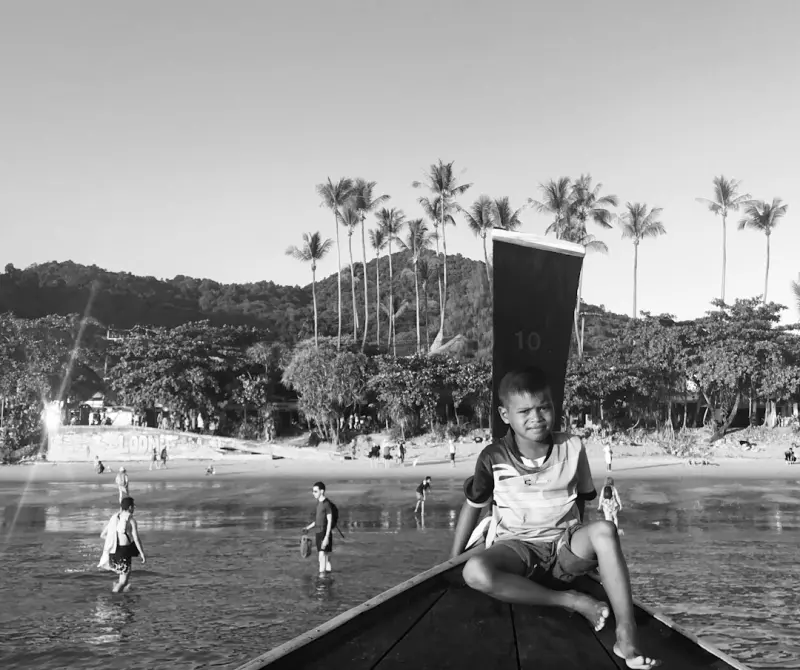
When I first boarded a rickety bus through the highlands of Oaxaca, I realized I was holding more than a ticket—I was cradling a potential collection of stories, smells, textures, and fleeting feelings that could fill a personal museum. Travel isn’t just a checklist of sights; it’s an ongoing, tactile archive that we can curate intentionally, turning each departure into a chapter of a living, breathing narrative.
The Why: From Souvenirs to Story‑Chunks
Traditional souvenirs—postcards, magnets, keychains—are charming, but they’re also static. They tell a story from a single moment and often sit forgotten in a drawer. What if we could capture the process of a journey, not just the endpoint? By treating travel as a series of “story‑chunks,” you create a dynamic memory vault that grows richer each time you return home.
These story‑chunks are bite‑sized sensory packets: a whispered phrase in a market, the taste of a street‑food taco, the way the wind rattles a bamboo fence at dusk. When you later assemble them, you get a multidimensional replay of the trip—far more vivid than a photo album could ever provide.
Step 1: Pack a Minimalist “Memory Kit”
Before you set out, assemble a lightweight kit designed to capture moments without slowing you down. Think of it as a field‑research toolbox for your personal archive:
- Compact notebook (or a digital note‑taking app with offline mode). Write one sentence every hour—no editing, just raw impressions.
- Miniature recorder or a phone voice‑memo feature. Capture ambient sounds, a laugh, a vendor’s chant.
- Foldable sensory cards—small pieces of paper you can scribble smells on (like “cinnamon spice” or “sea‑brine”). Use a scented marker or a tiny dab of essential oil.
- Micro‑camera or a smartphone with a good macro lens. Snap close‑ups of textures: the grain of a wooden table, the weave of a traditional rug.
- Travel‑size sketch pad and a water‑color pencil. Even a quick doodle anchors a memory better than a mental note alone.
These tools keep the focus on the experience, not on producing polished content for social media. The goal is authenticity, not aesthetic perfection.
Step 2: The “Five‑Senses Check‑In” Routine
Every few hours—whether you’re on a train, a hike, or lounging in a café—pause for a five‑senses check‑in. Ask yourself:
- What do I see that’s new or unexpected?
- What do I hear that feels unique to this place?
- What do I smell that triggers an emotion?
- What do I taste that I can’t find back home?
- What feel does the environment give me—temperature, texture, vibration?
Write a brief note for each sense. Over a week, these snippets become a sensory map of your route. When you later revisit the notes, you’ll recall the exact flavor of a market’s mango or the echo of a cathedral’s bells without needing a photo.
Step 3: Convert Raw Data into “Story‑Chunks”
Back at your lodging (or in a quiet corner of a co‑working space), spend 10‑15 minutes turning those notes into story‑chunks. A good chunk includes:
- A headline—a hook that captures the core of the moment.
- A sensory sentence that blends at least two senses.
- A context cue—where you were, who you were with, why it mattered.
Example:
“Spice‑Market Serenade” – The market’s orange‑tinged stalls swayed as a violinist’s melody intertwined with the scent of roasted chilies, reminding me of my grandmother’s kitchen back home.
These chunks become the building blocks of your personal travel archive, ready to be reorganized, expanded, or shared.
Step 4: Digitally Organize with a “Travel Vault” System
Now that you have story‑chunks, choose a simple digital system to store them. A spreadsheet, a note‑taking app with tags, or a dedicated “travel vault” folder on a cloud drive works well. Use tags like #food, #soundscape, #people to filter later.
Here’s a quick structure you can replicate:
Date | Location | Headline | Sensory Sentence | Tags | Media Links
Attach any photos, audio files, or sketches as links. The system should be searchable, so when you need inspiration for a blog post, a presentation, or simply a nostalgic evening, you can pull up the exact moment in seconds.
Step 5: Re‑Engage with Your Archive
Travel archives aren’t “set and forget.” Schedule a monthly “memory remix” session where you revisit a batch of story‑chunks. Combine them into a short narrative, a visual collage, or even a podcast episode. This practice reinforces the experience, deepens learning, and often uncovers patterns you missed while on the road.
For instance, after a trip to the Japanese countryside, I realized a recurring theme of “tranquility through water”—whether it was a koi pond, a rain‑kissed tea ceremony, or the sound of a distant river. Recognizing this motif helped me make intentional travel choices later, seeking out water‑centric destinations to nurture that sense of calm.
Connecting the Dots: Travel as a Creative Engine
While many think of travel as a break from work, it can be a catalyst for creativity that feeds back into professional life. In fact, turning travel into a professional growth engine is a concept many explore, but the archive approach adds a tangible method to capture insights that might otherwise evaporate.
By curating a living archive, you’re essentially building a personal knowledge base—a repository of lived research that can inspire product ideas, marketing angles, or even strategic decisions. Your next brainstorming session could start with the phrase “Remember that sunrise over the rice terraces…” and lead to an innovative visual branding concept.
Travel Archive vs. Traditional Travel Blogging
Traditional travel blogging often follows a linear narrative: destination → highlights → recommendations. The archive method flips this by focusing on moments first, then weaving them into narratives later. This shift has two benefits:
- Depth over breadth: You dive deeper into each encounter, capturing nuance.
- Flexibility: Because the raw material is modular, you can repurpose it for various formats—slides, newsletters, client case studies—without starting from scratch.
Think of your archive as a “raw footage” library that a filmmaker uses to craft multiple stories from the same shoot. The more you collect, the richer your storytelling palette becomes.
Case Study: The “Taste‑Trail” Project
Last year, I embarked on a “Taste‑Trail” across the Mediterranean, deliberately focusing on flavors as narrative anchors. Each day I recorded:
- The name of the dish
- The market or kitchen where I ate it
- A short sensory note (e.g., “the olive oil’s peppery bite reminded me of childhood picnics”)
- A quick sketch of the plate
After returning, I organized the data into a visual map, linking each dish to a corresponding memory of a conversation or a landscape. The resulting e‑book blended recipes, travel anecdotes, and cultural insights, which later became a lead magnet for a culinary‑focused client. The project proved that an archive can directly translate into business value.
Preserving Ethical Memory: Respectful Documentation
When you collect sensory data, especially involving people, it’s vital to stay respectful. Ask permission before recording voices or taking close‑up photos of individuals. Explain that you’re building a personal archive, not a public showcase. This transparency builds trust and often leads to richer interactions—people are more willing to share stories when they know you value their privacy.
Tools & Resources to Enhance Your Archive
While the minimalist kit is enough to start, there are digital tools that can streamline the process:
- Notion – Build a travel database with templates for story‑chunks, tags, and media embeds.
- Evernote – Use its audio note feature for on‑the‑go recordings.
- Google Keep – Quick voice memos that sync across devices.
- Obsidian – A markdown‑based knowledge base that excels at linking related notes.
Integrating any of these with your memory kit turns your archive into a living, searchable knowledge graph—much like the AI‑powered knowledge graphs that help teams make sense of complex data. Your personal travel data becomes a micro‑graph that you can query and explore.
Future‑Proofing Your Archive
As technology evolves, consider adding these forward‑looking practices:
- Geo‑tagging – Attach GPS coordinates to each story‑chunk for precise mapping.
- Voice‑to‑text AI – Use transcription services to quickly convert audio memos into searchable text.
- AR overlays – In the future, you could view your archived memories through augmented reality while revisiting a location, seeing your past notes floating over the landscape.
These enhancements keep your archive relevant and adaptable, ensuring that each journey you take continues to inform the next one.
Conclusion: Your Travel Archive as a Personal Compass
Travel is an endless source of inspiration, but without a system to capture and organize its moments, its impact fades quickly. By treating each trip as a series of sensory story‑chunks and building a living archive, you transform fleeting experiences into a durable compass that guides both personal growth and professional creativity.
So, the next time you zip up your suitcase, remember: you’re not just packing clothes—you’re packing the potential for a richer, more intentional narrative. Capture it, curate it, and let your archive become the secret engine that powers your future adventures.

Miranda Murphy: Experienced freelance writer with a decade of storytelling expertise. Let's create something amazing together!
Related Posts
Beyond the Tourist Trail: Finding Hidden Communities Through Homestay Swaps
Explore the transformative power of homestay swaps—bilateral hosting that immerses travelers in lo... Read More
The Nomad’s Edge: Turning Short Getaways into Career Power‑Ups
Short, intentional getaways act as mental reset buttons, fostering fresh ideas, new connections, and... Read More
How to Turn Every Layover Into a Mini‑Adventure
Learn practical tips for turning idle airport time into spontaneous mini‑adventures, from local cu... Read More
Top Posts

Micro‑Internships: How Short‑Term Projects Can Supercharge Your Career
Micro‑internships let you gain real‑world experience in weeks, not months. Learn how to find, negotiate, and turn these short‑term gigs into career breakt...Read More
AI Mentors at Work: Turning Personalized Learning Into Everyday Dialogue
An AI mentor goes beyond static training, offering real‑time, contextual learning that adapts to each employee’s workflow, fostering continuous growth and r...Read More
Elevate Your Personal Care Routine for Remote Success
A practical guide that blends environment, temperature therapy, sustainable products, AI tools, and micro‑massage to turn everyday grooming into a strategic a...Read More
Edible Landscaping: Designing a Food‑Forward Garden That Feeds the Planet and Your Plate
Edible landscaping merges ornamental design with food production, offering homeowners a stunning, sustainable garden that cuts grocery costs, improves mental he...Read More
0 Comments
Post Comment
You will need to Login or Register to comment on this post!