
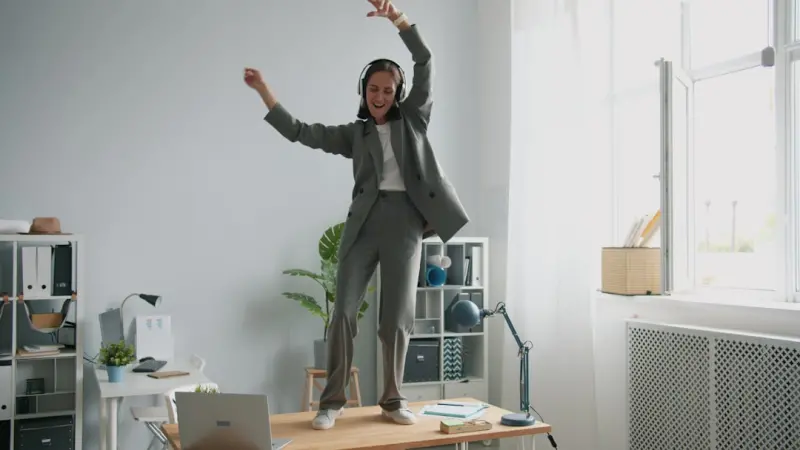
Why Your Desk Needs a Movement Minute (And How to Make It Stick)
Let’s face it: most of us spend more time perched in front of a screen than we do walking to the fridge. The modern office—or home office—has turned into a permanent chair‑bound arena where the only cardio we get is scrolling through emails. If you’ve ever felt the creeping stiffness in your neck, the phantom buzz of digital eye strain, or that mid‑afternoon slump that makes you wonder whether you’re actually a couch potato trapped in a suit, you’re not alone.
What if I told you that a single, intentional minute of movement every hour could rewrite that narrative? Not a marathon, not a yoga session you have to schedule, but a micro‑exercise break that’s as easy as taking a sip of coffee. This isn’t a gimmick; it’s a science‑backed, low‑effort habit that can boost circulation, sharpen focus, and protect your musculoskeletal health without derailing your workflow.
The Hidden Cost of Sitting Still
Research from the American Heart Association estimates that sitting for more than six hours a day increases the risk of cardiovascular disease by up to 20%. Your spine, a marvel of engineering, is designed to move, twist, and bear weight. When we force it into a static position, we’re essentially telling it to “hold the line” indefinitely—something even the most disciplined soldier would reject.
Beyond the heart, the eyes pay a hefty price. Digital eye strain (or computer vision syndrome) affects up to 90% of people who spend more than three hours a day on a screen. Symptoms range from dry eyes and headaches to blurred vision, all of which sap productivity and morale. The good news? A short, deliberate movement break can reset your posture, relieve tension, and give your eyes a much‑needed respite.
Micro‑Movement: The Science of a Minute
The term “micro‑movement” might sound like a buzzword, but it’s rooted in the concept of muscle activation cycles. When you move a joint, even slightly, you stimulate blood flow, deliver oxygen, and flush out metabolic waste. A one‑minute, full‑body activation performed every hour can:
- Increase heart rate by 10–15 beats per minute, enough to trigger mild aerobic benefits.
- Engage core stabilizers, reducing lower‑back strain.
- Promote lymphatic drainage, which helps immune function.
- Give the ocular muscles a brief reset, mitigating eye strain.
Think of it as a tiny reboot for your body’s operating system.
Designing Your One‑Minute Routine
Below is a simple, equipment‑free routine that can be performed at any desk. The key is consistency: set a timer, stand up, and move. If you’re a fan of habit stacking, pair the minute with a recurring cue—like the start of a new meeting or the completion of a task.
- Neck Rolls (10 seconds): Gently drop your chin to your chest, roll your head clockwise, then counter‑clockwise. This releases cervical tension.
- Shoulder Shrugs (10 seconds): Lift shoulders toward ears, hold for two seconds, then release. Repeat three times to free the trapezius.
- Standing Cat‑Cow (15 seconds): Place hands on the desk, inhale to arch your back (cow), exhale to round it (cat). This mobilizes the spine.
- Desk Squats (15 seconds): Stand a foot away from your chair, lower into a squat, pause, and rise. Keep knees behind toes.
- Eye Palming (10 seconds): Rub palms together, cup over closed eyes, and breathe. This relaxes ocular muscles and improves circulation.
If you want to supercharge the physiological impact, incorporate intentional breathwork during the movement. A simple 4‑4‑6 inhale‑hold‑exhale pattern can deepen oxygen delivery and trigger the parasympathetic response, leaving you calmer and more alert.
Beyond the Desk: Integrating Micro‑Movement Into the Day
While the office is the hotspot, the micro‑movement mindset can travel with you. Consider these extensions:
- Phone Calls as Mini‑Workouts: Stand up, do a quick calf raise or hip hinge while you chat.
- Kitchen Commutes: Walk to the fridge, do a wall sit while waiting for a kettle to boil.
- Morning Routine: Start the day with a 60‑second sun‑salutation to set a tone of intentional movement.
The goal isn’t to become a fitness fanatic; it’s to embed kinetic awareness into the fabric of your day.
Why Micro‑Movement Beats Traditional Exercise (When Time Is Tight)
Traditional workouts have undeniable benefits, but they require a block of time—a commodity many professionals lack. Micro‑movement fills the gap by:
- Reducing Barriers: No gym, no clothes, no preparation.
- Mitigating Fatigue: Short bursts prevent the post‑exercise slump that can deter further activity.
- Increasing Frequency: Doing a minute every hour equals 8–10 minutes a day, which accumulates into significant health dividends.
In fact, a study published in Occupational Health Journal found that workers who took hourly micro‑breaks reported 30% fewer musculoskeletal complaints and a measurable increase in overall productivity.
Creating a Culture of Micro‑Movement
Individual habits are powerful, but when an entire team adopts them, the impact multiplies. Here’s how leaders can champion the practice:
- Lead by Example: Schedule a recurring “Movement Minute” on your calendar and invite the team.
- Gamify the Process: Use a shared tracker where each completed minute earns points toward a wellness reward.
- Provide Visual Reminders: Place a small poster near the coffee machine reminding everyone to stand and stretch.
When the office—or virtual workspace—normalizes these brief pauses, the stigma around stepping away from the screen evaporates.
Pairing Micro‑Movement with Other Health Hacks
If you’re already experimenting with other health strategies, micro‑movement can complement them beautifully:
- Cold Water Immersion: After a series of movement minutes, a quick splash of cold water (or a cold water immersion session) can invigorate circulation and reinforce the recovery phase.
- Sensory Sanctuaries: Create a calming corner in your office with soft lighting and gentle sounds. After a movement break, retreat there for a minute of mindfulness.
- Nutrition Timing: Pair a movement minute with a balanced snack (protein + complex carbs) to stabilize blood sugar and sustain focus.
Addressing Common Objections
“I don’t have time.” The premise is a single minute per hour—an easy 5% of a typical 8‑hour workday. If you work 9‑to‑5, that’s only eight minutes total.
“I’ll look unprofessional.” In today’s hybrid work culture, wellness is increasingly valued. Many forward‑thinking companies already encourage standing desks and stretch breaks. A discreet movement minute is hardly noticeable.
“It won’t make a difference.” The cumulative effect of consistent micro‑movement is comparable to the concept of “compound interest” in finance. Small, regular contributions yield substantial returns over time.
Tracking Progress and Staying Motivated
Use a simple spreadsheet or a wellness app to log each minute you take. Over a week, you’ll see patterns—perhaps you’re more consistent on days with fewer meetings. Celebrate milestones: 5 days of full compliance, 10 days, and so on. The visual progress reinforces the habit loop.
Final Thoughts: A Minute to Move, A Lifetime to Gain
Our bodies were designed for motion, not for perpetual stillness. By honoring that design with a brief, intentional minute of movement each hour, we reclaim a piece of our physiological autonomy. The payoff is more than just fewer aches; it’s sharper cognition, steadier moods, and a resilient immune system that can better handle the inevitable stresses of modern work.
If you’re ready to rewrite the script of your workday, start now. Set a timer, stand up, roll your shoulders, and breathe—because sometimes, the smallest shifts spark the biggest transformations.

Paul Flynn is a versatile freelance writer equipped with a diverse skillset and a portfolio that reflects his wide-ranging interests and expertise. From crafting compelling website copy and engaging blog posts to delivering in-depth articles and meticulously researched reports, Flynn demonstrates a remarkable ability to adapt his writing style to suit various audiences and purposes.
Related Posts

Rewiring Your Daily Rhythm: Small Health Hacks for High‑Performance Professionals
A practical guide for busy professionals, outlining micro‑movements, breathwork, nutrition tips, s... Read More
The Ear‑Level Health Hack: Using Sound to Elevate Focus, Recovery, and Sleep
Explore the untapped power of sound to transform your health. Learn evidence‑based strategies for ... Read More
Recalibrating Your Body Clock: A Fresh Take on Circadian Health
Discover practical, science‑backed ways to sync your internal clock, boost energy, and improve ove... Read More
Top Posts

Beyond the Checklist: Crafting Travel Experiences That Teach You Something New
Travel isn’t just a break—it’s a classroom. This post shows how to design trips that build real skills, expand networks, and deepen cultural insight, usin...Read More

Why Breathwork Should Be Your Office Super‑Power
Learn why intentional breathing is the most accessible health tool for office professionals, backed by science, real‑world case studies, and a 30‑day challe...Read More

The Hidden Palette: Using Color to Rewire Your Mood
Explore the science of color psychology and learn practical ways to use hue in your environment and wardrobe to uplift mood and strengthen mental health....Read More
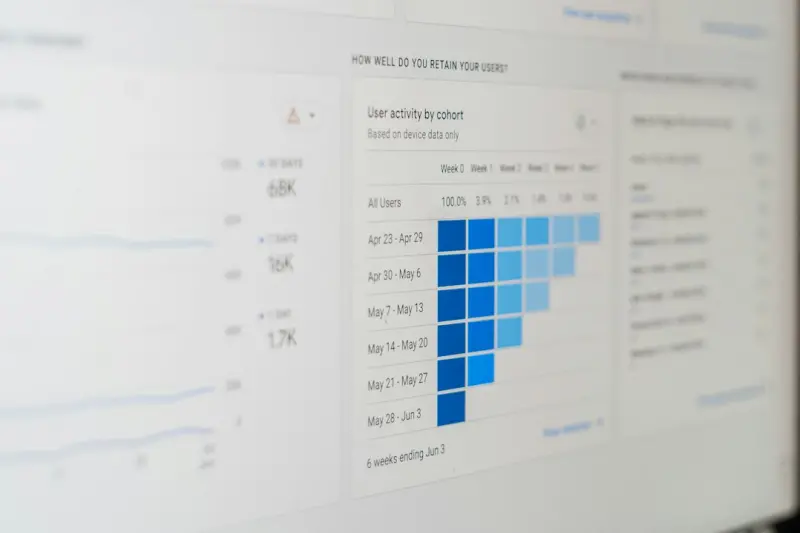
Mapping Insight: How AI‑Powered Knowledge Graphs Turn Data Chaos into Team Superpowers
A deep dive into AI‑powered knowledge graphs, showing how they turn data overload into a strategic advantage for modern B2B teams, with practical steps to imp...Read More
0 Comments
Post Comment
You will need to Login or Register to comment on this post!