
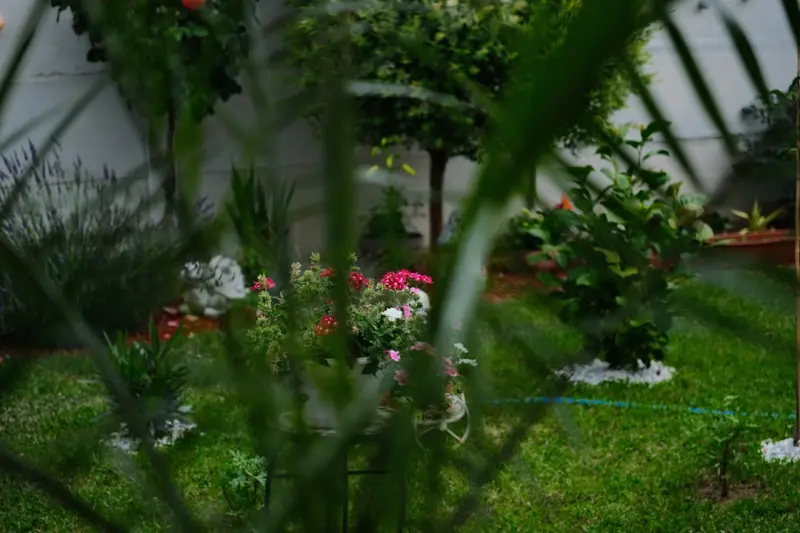
Why Home Gardens Should Feel Like an Extension of Your Senses
When I first stepped onto the porch of my childhood home, the mingling perfume of rosemary, cracked earth after rain, and the faint echo of pine sap lodged itself in my memory like a quiet promise, urging me to bring that layered intimacy into every room I now tend; that moment taught me that a garden is not merely a visual tableau but a living orchestra of scent, texture, and sound that can be choreographed to match the rhythm of daily life. Over the years I have learned that the most rewarding home‑garden projects are those that begin with a question about how a space should feel rather than what it should look like, because feeling invites the body to linger, the mind to wander, and the soul to settle into a gentle, sustainable habit of presence. In practice this means designing corners that whisper stories through fragrant herbs, tactile foliage, and reclaimed elements that carry the echo of previous lives, creating a tapestry that feels unmistakably personal yet universally inviting.
Selecting Natural Materials That Speak Their Own Language
My first experiment involved salvaging a weathered wooden pallet from a neighbor’s shed and coaxing it back to life with a simple sand‑and‑oil treatment, allowing the grain to breathe while preserving the faint chalky scent of aged timber that instantly conjures memories of summer workshops; the act of repurposing such material not only reduces waste but also embeds a narrative of transformation that resonates with anyone who values authenticity over mass‑produced perfection. I paired the pallet with a collection of hand‑picked river stones, each smoothed by years of water‑borne polishing, arranging them in a shallow basin that doubles as a moisture‑retaining cradle for my favorite succulents, thereby marrying the solidity of stone with the delicate vitality of green life. The result is a tactile altar where visitors can run their fingers over rough wood, feel the cool smoothness of stone, and inhale the subtle earthy aroma that rises when the soil is lightly misted.
Layering Fragrance: From Soil to Shelf
Creating a scent hierarchy begins with grounding notes—think freshly turned compost, damp moss, or the faint iron tang of a garden hoe—followed by mid‑range aromas such as blooming lavender, citrus zest, or herbaceous sage that drift upward and mingle with the air, finally capped by airy top notes like eucalyptus, spearmint, or a whisper of vanilla that linger only briefly before fading, mimicking the natural progression of a walk through a garden at dusk. I discovered that placing a small, recycled glass jar filled with dried citrus peel and a sprig of rosemary on a high shelf allows the top notes to escape gently, while a terracotta pot of potting mix with embedded pine needles near the floor releases grounding scents that rise slowly, creating a balanced olfactory journey across the vertical plane of the room. By intentionally positioning these scent sources at different heights, the home becomes a living perfume laboratory where each breath is a curated experience.
Building a Living Herb Wall for Culinary and Aromatic Benefits
One of my favorite DIY projects is constructing a vertical herb garden using reclaimed wooden frames, stainless‑steel hooks, and recycled PVC pipe pockets, which not only maximizes limited floor space but also transforms a blank wall into a verdant pantry that supplies fresh basil, thyme, and mint while simultaneously perfuming the kitchen with their bright, invigorating oils. The secret to longevity lies in selecting a breathable backing—often an old canvas drop cloth stretched tightly across the frame—so that excess moisture can evaporate, preventing mold and ensuring that each plant’s root system stays aerated, much like the principles I apply when I practice a digital declutter of my mental space, clearing out the stale to allow fresh ideas to flourish. Once installed, I arrange the herbs in a gradient of light requirements, positioning sun‑loving basil near the brightest window, while shade‑tolerant mint enjoys the cooler, indirect glow, creating a dynamic tableau that changes with the seasons and offers both culinary inspiration and aromatic delight.
Repurposing Vintage Furniture Into Functional Garden Accents
Old dressers, thrifted sideboards, and even forgotten garden sheds can be reborn as striking planters, potting stations, or storage hubs, provided we respect their original character while infusing them with new purpose; for instance, I transformed a 1950s metal filing cabinet into a tiered succulent showcase by painting each drawer a muted sage green, inserting reclaimed wooden slats for drainage, and topping the unit with a handcrafted copper rain chain that adds a melodic drip during rainstorms. The process of breathing new life into such pieces not only reduces landfill waste but also creates conversation‑starter focal points that invite curiosity, especially when the hardware is polished to a soft sheen that catches the morning light, casting delicate shadows that dance across nearby foliage. By pairing these repurposed items with carefully chosen plant species—like trailing pothos for a hanging effect or dwarf citrus trees for a splash of color—we weave a narrative of continuity that honors the past while celebrating present growth.
DIY Scent Diffusers That Blend Craftsmanship With Aroma
To complement the natural fragrance layers already present, I often craft my own reed diffusers using reclaimed glass bottles, bamboo reeds, and essential oil blends derived from garden harvests; the base consists of a simple mixture of distilled water, a splash of organic vodka to help the scent travel, and a handful of freshly pressed rose petals or lavender buds that infuse the liquid with a subtle botanical depth, turning the bottle into a living artwork that slowly releases perfume as the reeds absorb the liquid. The beauty of this method lies in its adaptability: by swapping out the reed bundles for thin bamboo sticks, adjusting the oil concentration, or adding a pinch of dried citrus zest, I can tailor the intensity to match the season—lighter, citrus‑forward aromas for spring, richer, spice‑laden blends for winter—ensuring the indoor atmosphere remains in harmonious dialogue with the outdoor garden’s evolving palette. Additionally, the transparent bottle showcases the changing color of the infusion, offering a visual cue that reminds me to refresh the mixture as the scent wanes, turning maintenance into a mindful ritual.
Seasonal Rotation: Refreshing Your Space Without Buying New
Each season brings a distinct set of colors, textures, and scents, and by rotating garden elements—such as swapping out a pot of bright marigolds for a cluster of deep‑red chrysanthemums in autumn—we can keep the indoor environment feeling fresh without the need for constant consumerism; I keep a small storage cart stocked with seasonal accessories like woven straw baskets, hand‑painted ceramic pots, and seasonal foliage, allowing me to quickly re‑stage a corner of the living room to reflect the changing light and temperature outside. This practice not only aligns the interior with the natural rhythm of the year but also encourages a mindset of stewardship, where each item is valued for its adaptability rather than its disposability, echoing the broader principle of dynamic zoning that I advocate for in multifunctional living spaces. By thoughtfully curating these seasonal swaps, I create a living canvas that evolves organically, inviting family and guests to notice the subtle shifts and engage with the space in new, unexpected ways.
Connecting Outdoor Garden Elements With Indoor Design
Bridging the gap between the exterior garden and interior rooms can be as simple as extending a border of crushed river rock from the patio onto a kitchen floor mat, or as elaborate as installing a glass‑enclosed greenhouse nook that doubles as a reading alcove, allowing the scent of damp soil and blooming flowers to mingle with the quiet of a well‑lit corner; I love positioning a narrow trellis of reclaimed oak across a sunroom window, training climbing vines like jasmine or clematis to cascade inward, creating a living curtain that filters light and adds a soft, fragrant veil. Such integrations not only enhance visual continuity but also promote a holistic sense of place, where the boundary between inside and outside blurs, fostering a deeper connection to the natural world that can improve mood, boost creativity, and even lower stress levels. By treating the home as an extension of the garden rather than a separate entity, we invite the rhythms of nature to dictate the pace of our daily lives, encouraging us to pause, breathe, and savor each moment.
Maintaining Balance: The Art of Gentle Intervention
Just as a garden thrives when tended with intention rather than force, the home garden flourishes when we adopt a philosophy of gentle stewardship, stepping back to observe growth patterns, adjusting watering schedules, and pruning with respect for each plant’s innate form; I regularly schedule “quiet walks” through my indoor green spaces, using these moments to gauge the health of my foliage, listen for subtle changes in scent, and note any signs of imbalance that might require a small tweak rather than a sweeping overhaul. This mindful approach mirrors the principles I discuss in my guide on sensory reset, where pausing to recalibrate our environment can reboot our mental clarity, and it reminds us that the most profound transformations often arise from small, consistent actions performed with love and awareness. By honoring this rhythm, we create a sanctuary that feels both alive and nurturing, a place where every leaf, stone, and scent contributes to a harmonious whole.
Invitation to Craft Your Own Sensory Sanctuary
Now that you’ve walked through the steps of selecting natural materials, layering fragrance, repurposing vintage pieces, and intertwining outdoor elements, the invitation is yours to begin curating a home garden that sings to your senses and tells your story; start small with a single herb wall or a reclaimed planter, experiment with DIY diffusers, and let the seasonal rotation guide your evolution, remembering that each adjustment is a brushstroke on a living canvas that will deepen over time. As you nurture this space, you’ll discover that the garden becomes a reflection of your inner landscape—vibrant, resilient, and ever‑changing—offering a daily reminder that beauty and calm are cultivated, not merely discovered, and that the simplest gestures can transform a house into a true home. Embrace the journey, share your progress with fellow garden lovers, and watch as your sanctuary blossoms into a lasting source of comfort, inspiration, and sensory delight.

Jody Henderson is a passionate freelance writer, driven by a love for storytelling and a keen eye for detail. With a versatile skillset, she crafts compelling content across a variety of niches, from engaging blog posts to informative articles and persuasive marketing copy.
Related Posts

Designing a Backyard Outdoor Kitchen: From Concept to Culinary Haven
Discover how to plan, build, and sustain a stunning backyard outdoor kitchen that blends functionali... Read More
How to Grow a Backyard Micro‑Forest: A Hands‑On Blueprint
Discover a step‑by‑step guide to building a backyard micro‑forest that enhances biodiversity, ... Read More
From Lawn to Larder: Growing a Food‑First Landscape
A practical guide to turning a typical lawn into an edible garden, covering planning, plant selectio... Read More
Top Posts
Cultivating a Year‑Round Outdoor Sanctuary for Mindful Living
Learn to create a dynamic, year‑round garden sanctuary that blends sensory design, sustainable methods, and personal touches, turning your outdoor space into ...Read More

Travel Soundscapes: Turning Ambient Audio into Immersive Memories
Explore the power of travel soundscapes—learn to record, organize, and share ambient audio that turns ordinary trips into vivid, lasting memories....Read More

Smart Home Comfort Hacks: Simple Changes for a Cozier, More Efficient Space
Learn easy, budget‑friendly ways to enhance lighting, temperature control, storage, and acoustic comfort at home, turning any space into a cozy, efficient hav...Read More

Storytelling at Work: How Narrative Boosts Mental Resilience
Explore practical narrative practices that turn everyday work tasks into stories, boosting emotional regulation, team cohesion, and overall mental resilience in...Read More
0 Comments
Post Comment
You will need to Login or Register to comment on this post!