

The Hidden Cost of Constant Connectivity
We live in an age where notifications feel like a second pulse, and the line between work, leisure, and sleep blurs into a relentless stream of alerts. This perpetual digital chatter steals quiet moments that our brains need to process emotions, leading to subtle but chronic anxiety that many dismiss as “just being busy.” When the mind never truly rests, stress builds up like static, eroding focus, mood stability, and overall mental health.
Reclaiming Mental Space Through Intentional Digital Pauses
Imagine stepping back from the screen for a few minutes and feeling the sudden lift of mental clarity—a practice I call a “digital pause.” By setting specific windows—perhaps the first hour after waking and the last hour before bed—to go screen‑free, we give the brain a chance to reset its default mode network, the hub for introspection and creativity. Over time, these intentional gaps become the scaffolding for a calmer, more resilient mindset.
Crafting a Personal “Mental Declutter” Ritual
Just as we tidy physical spaces, a mental declutter routine can sweep away mental cobwebs that accumulate from endless scrolling. I start each evening by listing three thoughts that lingered during the day, then gently releasing them onto paper, transforming fleeting worries into tangible words. This simple act not only externalizes stress but also signals to the nervous system that it’s safe to unwind, paving the way for deeper relaxation.
The Science of Micro‑Breaks and Brain Reset
Research shows that short, purposeful breaks—lasting anywhere from 60 seconds to five minutes—can dramatically boost cognitive performance and mood. Pairing these micro‑breaks with brief moments of stillness, like a quick stretch or a mindful breath, re‑energizes neural pathways and prevents burnout. For those craving a more structured approach, Strategic Power Naps offer a proven method to amplify this reset, turning a brief rest into a powerful mental reboot.
Storytelling as a Self‑Compass
We often underestimate the therapeutic power of narrating our own experiences, yet framing life events as stories can reshape how we perceive challenges. By weaving personal anecdotes into a coherent narrative, we create meaning and agency, turning passive suffering into active growth. The practice aligns with the principles outlined in Narrative Healing, demonstrating how storytelling can rewrite our mental landscape and foster emotional resilience.
Playful Creativity: Unlocking Adult Imagination
Play isn’t just for children; it’s a vital conduit for releasing tension and accessing the brain’s divergent thinking mode. Engaging in simple, low‑stakes creative activities—like doodling, improvisational writing, or building with LEGO—activates dopamine pathways that counteract stress hormones. When we give ourselves permission to be silly, we dismantle internal critics and invite a sense of freedom that rejuvenates mental well‑being.
Boundary Setting in the Age of Remote Expectations
Remote work has dissolved many traditional boundaries, making it tempting to answer emails at midnight or attend endless video calls. Establishing clear, enforceable limits—such as “no work emails after 7 p.m.” or “device‑free Sundays”—protects the brain’s natural rhythm and preserves personal time for recovery. Consistently honoring these boundaries signals self‑respect, which in turn reinforces confidence and reduces anxiety.
Cultivating a Sensory Sanctuary at Home
Our environments profoundly influence mental health; a thoughtfully designed sensory space can become a refuge from the digital barrage. Incorporate soft lighting, calming scents like lavender, and tactile comforts such as a plush blanket to signal safety to the nervous system. By curating these subtle cues, we create an oasis that invites the mind to unwind, fostering deeper relaxation and clarity.
A Sustainable Roadmap for Lasting Mental Resilience
Long‑term mental health thrives on consistency rather than occasional grand gestures. Integrate the practices above into daily routines, track progress in a journal, and adjust as life shifts—recognizing that flexibility is a strength, not a weakness. Over weeks and months, these compounded habits build a robust mental foundation, allowing you to navigate life’s inevitable storms with steadier calm and renewed optimism.

Armed with a degree in English Literature, Jill’s journey into the digital space wasn't just a career move; it was a natural extension of her lifelong love affair with storytelling. While some writers view search engine optimization (SEO) as a rigid constraint, Jill sees it as a creative puzzle. She understands the delicate art of balancing the algorithmic demands of search engines with the human desire for resonance, emotion, and value. To Jill, keywords aren't just targets to hit; they are the breadcrumbs that lead eager readers straight to the answers they’ve been searching for.
Related Posts

Micro‑Escapes: Tiny Sensory Shifts for Big Mental Health Gains
Micro‑escapes are brief, intentional sensory pauses—like a 30‑second nature sound or a quick f... Read More

Curiosity as a Mental‑Health Superpower: Turning Questions into Resilience
Curiosity isn’t just for kids; it’s a powerful mental‑health tool. Learn a simple three‑step... Read More

Resetting Your Mind: A Fresh Approach to Mental Decluttering
Learn how to sweep away mental clutter with a simple daily routine, digital boundaries, micro‑mome... Read More
Top Posts

Why Employee Learning Pods Are the Quiet Revolution in the Workplace
Learning pods—small, self‑organized groups focused on shared goals—are transforming how teams acquire skills and bond, delivering real results and stronge...Read More
Talent‑First Blueprint: Redesigning Work for People, Not Processes
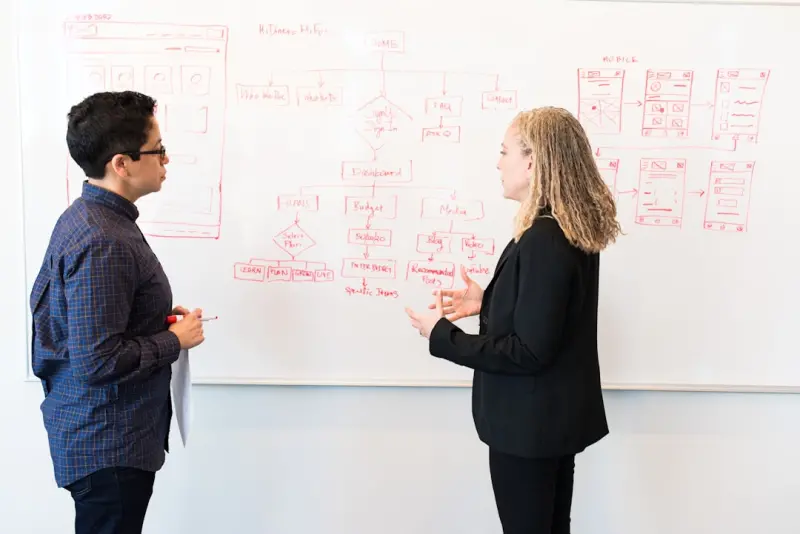
A Talent‑First Blueprint flips traditional hierarchies, focusing on personalized growth, dynamic pods, and holistic well‑being to boost engagement, retentio...Read More

From Backyard to Boardroom: How My Garden Desk Revolutionized Home Life
Jimmy Damon shares his journey of turning a simple garden desk into a thriving outdoor office, boosting productivity, creativity, and work‑life balance....Read More
Turning Personal Passions into Organizational Assets
A fresh look at employment: leveraging employee passions as strategic assets unlocks higher engagement, reduces turnover, and fuels innovation, offering a pract...Read More
0 Comments
Post Comment
You will need to Login or Register to comment on this post!