
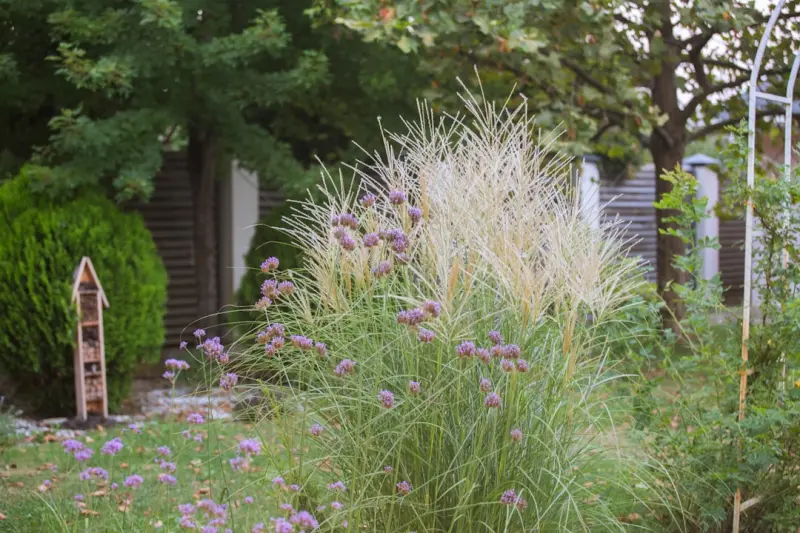
Why Native Plants Are the Unsung Heroes of Your Backyard
When I first inherited a modest suburban yard, I approached it like a blank canvas—ready to be painted with the latest trends. Over time, however, I discovered that the most compelling masterpiece emerges when you let the land speak its own language. Native plants are the dialect of that conversation, offering resilience, beauty, and ecological balance that exotic ornamentals simply can’t match. In this post, I’ll walk you through the science, the aesthetics, and the practical steps to transform any garden into a thriving, low‑maintenance sanctuary.
The Ecological Argument: Soil Health, Pollinators, and Climate
Native species have co‑evolved with local soil microbes, insects, and climate patterns. This deep-rooted partnership means they require far less water, fertilizer, and pesticide input than imported varieties. When you plant natives, you’re essentially re‑introducing a missing piece of the local ecosystem, which in turn supports bees, butterflies, and birds that have become scarce in urban settings.
Beyond pollinator support, native plants act as carbon sinks. Their deeper root systems lock away carbon deeper in the soil, contributing modestly but meaningfully to climate mitigation. It’s a win‑win: a healthier garden and a healthier planet.
Design Principles: From Wild Meadow to Structured Garden
One of the biggest misconceptions about native gardening is that it looks “messy.” In reality, you have the freedom to choose a design that aligns with your aesthetic preferences—whether you crave a structured formal garden or a meadow‑like meadow.
- Layered planting: Mimic natural layers by placing taller grasses and shrubs at the back, mid‑height perennials in the middle, and low‑growing groundcovers at the front.
- Seasonal interest: Select species that bloom at different times, ensuring color and texture throughout the year.
- Texture play: Combine feathery grasses with glossy leaves and spiky seed heads for visual intrigue.
Choosing the Right Species for Your Region
The first step is a little homework. Your county extension office or local botanical garden can provide a list of region‑appropriate species. Here are a few universally adaptable options for many temperate zones:
- Bee Balm (Monarda fistulosa) – Attracts hummingbirds and butterflies.
- Black-eyed Susan (Rudbeckia hirta) – Offers bright yellow blooms and drought tolerance.
- Little Bluestem (Schizachyrium scoparium) – A graceful grass that turns stunning shades of orange in fall.
- Wild Columbine (Aquilegia canadensis) – Delicate red and yellow flowers that draw pollinators.
These plants thrive with minimal intervention, letting you spend more time enjoying the garden than maintaining it.
Soil Preparation: Working With, Not Against, Nature
Before you plant, take a moment to assess your soil’s composition. Most native plants prefer well‑draining soil with a modest organic matter content. Instead of adding synthetic fertilizers, consider a simple amendment:
- Spread a thin layer (about 1‑2 inches) of compost made from locally sourced yard waste.
- Gently incorporate it into the top 6‑8 inches of soil using a garden fork.
- Water thoroughly to settle the amended soil.
This approach respects the existing soil microbiome while giving your new plants a gentle boost.
Watering Strategies: From Initial Care to Drought Resilience
While native plants are drought‑tolerant, they need consistent moisture during the first few weeks to establish strong root systems. Set up a drip irrigation system or use a soaker hose to deliver water directly to the root zone. After the establishment period (generally 4‑6 weeks), you can taper off watering, allowing rain to do most of the work.
For those who love tech‑enabled gardening, consider integrating a smart garden dashboard. Tools similar to smart garden dashboards can monitor soil moisture, temperature, and even predict irrigation needs, turning your yard into a low‑maintenance oasis.
Integrating Edibles: A Culinary Bonus
Native plants aren’t just for show—they can also nourish your kitchen. Many native berries, nuts, and greens are both flavorful and resilient. Think of serviceberries, hazelnuts, and wild lettuce. Planting a small edible border adds a functional dimension to your garden and reduces grocery trips.
Creating Habitat Niches: Birdhouses, Insect Hotels, and Water Features
A thriving garden is more than just plants; it’s an ecosystem. Add a few simple structures to support wildlife:
- Insect hotels: Stacked bundles of bamboo, straw, and wood provide shelter for solitary bees.
- Birdhouses: Position them at different heights to attract a variety of species.
- Mini water features: A shallow bowl with pebbles and water offers a drinking source for birds and amphibians.
Low‑Impact Lawn Alternatives
Traditional turfgrass can be water‑intensive and high‑maintenance. Replace sections of your lawn with a native meadow or groundcover mix like creeping thyme or low‑growing sedums. These alternatives stay green longer, require less mowing, and provide habitat for beneficial insects.
Seasonal Maintenance Checklist
Even the most self‑sustaining garden benefits from periodic attention. Here’s a simple, quarterly schedule:
- Spring: Prune dead growth, divide perennials, and apply a light mulch layer.
- Summer: Monitor for pests, deadhead flowers to encourage rebloom, and water during prolonged dry spells.
- Fall: Clean up fallen leaves, plant spring‑blooming bulbs, and add a deeper mulch layer for winter protection.
- Winter: Inspect structures, plan next season’s planting, and enjoy the quiet beauty of dormant plants.
Technology Meets Tradition: AI‑Powered Garden Assistants
For the tech‑savvy gardener, AI can act as a knowledgeable companion, offering real‑time insights on plant health and pest identification. While the concept might sound futuristic, tools like AI‑driven garden assistants already exist, analyzing photos you take of leaves to suggest remedies. Pair this with native planting, and you get a garden that’s both grounded in local ecology and enhanced by modern intelligence.
Budget‑Friendly Strategies: DIY and Upcycling
Creating a native garden doesn’t have to break the bank. Repurpose old pallets as vertical planting beds, use reclaimed bricks for edging, and collect fallen branches for natural trellises. These upcycled elements add character while keeping costs low.
Success Stories: Real Homeowners Who Made the Switch
Jane from Ohio swapped her ornamental rose garden for a native prairie mix and cut her water bill by 40 %. Tom in Arizona replaced a water‑guzzling lawn with desert natives like creosote bush and yucca, reducing maintenance time to just a couple of hours per month. Their experiences underline a simple truth: native gardens are not just environmentally sound—they’re also economically smart.
Getting Started: Your 30‑Day Action Plan
Ready to give it a try? Follow this step‑by‑step guide:
- Week 1: Conduct a soil test and map out sunlight exposure zones.
- Week 2: Choose 5‑7 native species that suit your site conditions.
- Week 3: Prepare the soil, add compost, and install irrigation.
- Week 4: Plant, water consistently, and set up a simple monitoring system (even a notebook works).
Stick to the plan, and you’ll see seedlings sprout, pollinators arrive, and your garden start to feel alive.
Conclusion: Embrace the Native Narrative
By aligning your garden with the natural history of your region, you create a space that is beautiful, resilient, and beneficial to the broader environment. It’s a story of partnership—between you, the soil, and the native flora—that pays dividends in aesthetics, biodiversity, and peace of mind. So roll up your sleeves, dig a little, and let the native plants rewrite the script of your backyard.

Jody Henderson is a passionate freelance writer, driven by a love for storytelling and a keen eye for detail. With a versatile skillset, she crafts compelling content across a variety of niches, from engaging blog posts to informative articles and persuasive marketing copy.
Related Posts
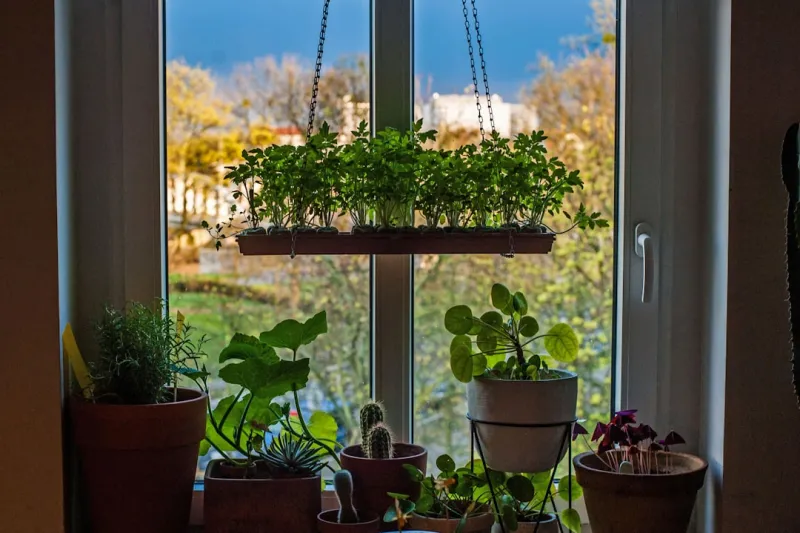
From Backyard to Boardroom: My Journey with a Garden Desk
Explore the rise of garden desks, blending nature with work, and learn practical tips to create a th... Read More
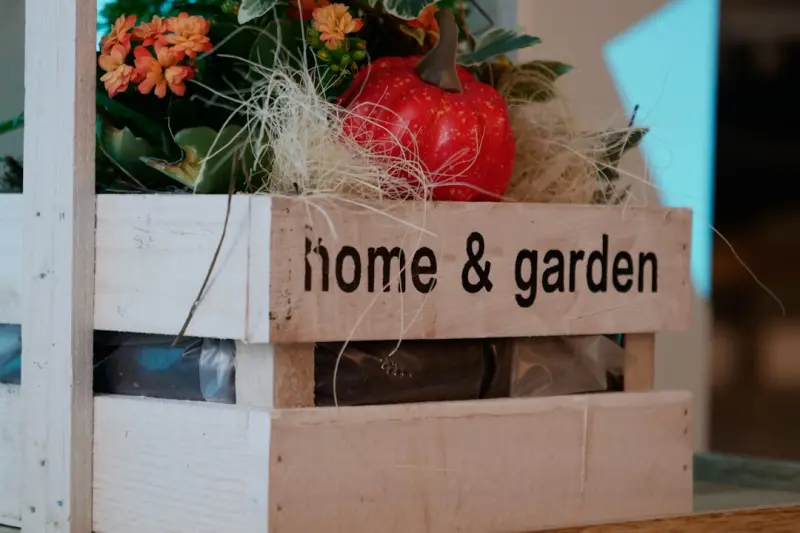
The Rise of the Living Kitchen: Merging Gardens with Culinary Spaces
Learn how to integrate herbs, microgreens, and smart growing tech into your kitchen, creating a sust... Read More
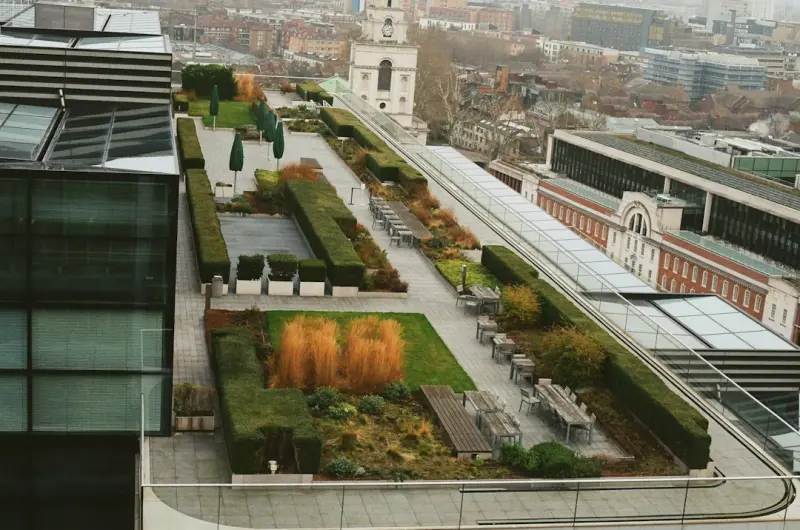
Rooftop Rain Gardens: Turning City Roofs into Lush, Sustainable Sanctuaries
Discover how rooftop rain gardens transform unused roof space into vibrant, water‑wise ecosystems ... Read More
Top Posts

When AI Becomes Your Quiet Partner in Work and Life
Explore a fresh perspective on AI as a quiet collaborator that personalizes knowledge, enhances creative flow, and transforms your workspace into a productivity...Read More
Reviving Your Backyard: Harnessing the Power of Native Plants
Learn how to create a thriving, low‑maintenance backyard using native plants, smart watering, and upcycled materials, while supporting local wildlife and redu...Read More

Breathing New Life into Remote Work: A Practical Guide to Breathwork for Health
Learn how intentional breathwork can transform remote‑work health, offering easy techniques, integration tips, and real‑world results to reduce stress and b...Read More
Why Garden Desks Are the Secret Weapon for Modern Employment
Explore the benefits of garden desks for modern employment—productivity, wellness, and creativity—all from a personal, hands‑on perspective....Read More
0 Comments
Post Comment
You will need to Login or Register to comment on this post!