
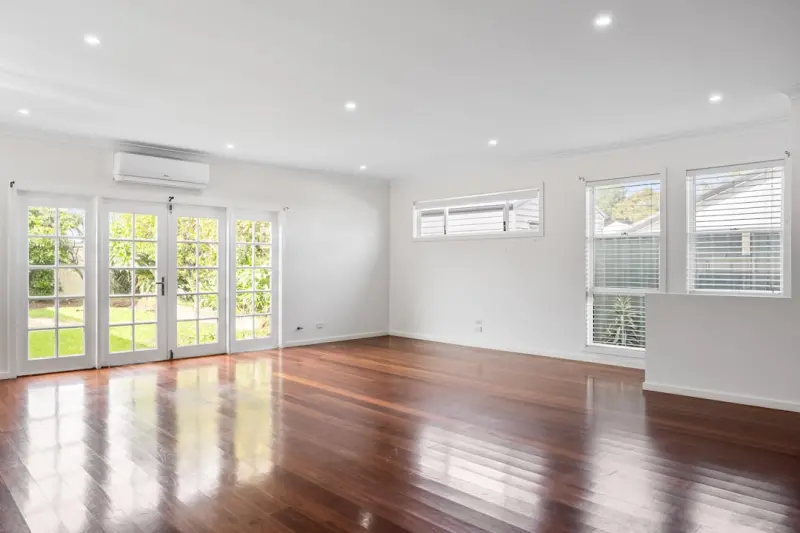
Rethinking Your Home’s Layout: The Power of Dynamic Zoning
Most households still treat rooms as permanent, single‑purpose containers—a bedroom is only for sleep, a kitchen solely for cooking, a living room just for lounging. Dynamic zoning flips that script by allowing each space to fluidly shift its function throughout the day, matching your evolving rhythms of work, rest, and play. By strategically arranging furniture, lighting, and sensory cues, you can create micro‑environments that invite concentration during a morning project, encourage relaxation in the afternoon, and transform into an entertaining hub by evening—all without knocking down walls or undertaking costly renovations.
Why Static Spaces Drain Energy and Creativity
When a room is locked into one role, you’re forced to adapt your habits to the space instead of letting the space adapt to you, which often leads to compromises like working on a couch or eating at a desk, both of which can erode posture, focus, and overall wellbeing. Research shows that environmental cues—visual, auditory, and tactile—directly influence brain states, meaning a cluttered study corner can sabotage productivity just as a bright kitchen can boost appetite. By breaking free from static assignments, you unlock the ability to tailor your surroundings to the specific cognitive and emotional demands of each task, reducing mental friction and conserving the energy you’d otherwise spend negotiating mismatched environments.
Core Principles: Furniture, Light, and Color as Zone Modulators
The three levers you’ll manipulate are simple yet potent: moveable furniture, adaptable lighting, and purposeful color palettes. A modular sofa that can be re‑arranged into a work-friendly L‑shape, a set of stackable stools that double as meditation seats, and a portable screen that hides or reveals a wall of books are all tools for redefining a zone on the fly. Lighting follows suit; warm, dimmable LEDs create a cocoon for winding down, while cooler, brighter tones energize a home office nook. Finally, color can be introduced through removable rugs, slipcovers, or accent walls that shift the psychological tone—think calming blues for focus and vibrant yellows for creativity—allowing you to paint a new mood without repainting the entire room.
Step 1: Map Your Daily Activities and Identify Natural Flow
Begin by listing the primary activities you perform at home—remote work, exercise, cooking, reading, family gatherings—and note the time blocks each occupies. Sketch a rough floor plan of your residence and plot where each activity currently happens, then look for natural traffic patterns; for example, a hallway that links the bedroom and living area can become a transitional “pause zone” for quick stretches. By visualizing these patterns, you’ll spot underutilized corners ripe for conversion and recognize where zones can overlap without conflict, such as a dining table that serves as a collaborative work surface during daylight hours and reverts to a dinner setting at night.
Step 2: Invest in Multipurpose Furniture and Mobile Storage
Choose pieces that serve at least two functions and are easy to move. A rolling credenza with hidden compartments can store office supplies by day and act as a buffet during gatherings. Fold‑out desks that attach to a wall or a set of nesting tables that expand for a game night provide flexibility without crowding the floor. Pair these with lightweight storage bins on wheels; you can pull a bin of art supplies into a sunny corner for an impromptu painting session, then roll it back out of sight when it’s time to focus on spreadsheets. This approach reduces the need for dedicated rooms and encourages a fluid, adaptable environment that aligns with the dynamic zoning philosophy.
Step 3: Harness Smart Lighting to Signal Zone Shifts
Install smart bulbs or plug‑in fixtures that can be programmed via an app or voice assistant to change color temperature and intensity on a schedule or with a single command. For a focused work zone, set the lights to a crisp 5000 K daylight hue that promotes alertness; when it’s time to unwind, transition to a warm 2700 K glow that triggers melatonin production. You can also use strip lighting behind shelves or under cabinets to delineate zones subtly—an amber strip along a reading nook versus a cool blue line along a crafting area. These visual cues act as gentle reminders that the space has transitioned, reinforcing the mental shift required for each activity.
Step 4: Layer Acoustic and Scent Elements to Reinforce Mood
Sound and smell are powerful, often overlooked, zone enhancers. A compact white‑noise machine or a Bluetooth speaker can provide background ambiance—soft instrumental music for concentration, nature sounds for relaxation. Pair this with a diffuser that releases citrus oils during work periods to boost focus, then switch to lavender or chamomile in the evening to signal winding down. By aligning auditory and olfactory cues with your lighting and furniture changes, you create a multisensory environment that tells your brain exactly which mode to engage, making the transition between zones seamless and intuitive.
Step 5: Integrate Simple Tech for Automated Zone Management
Automation doesn’t have to be complex; a few motion sensors and smart plugs can handle most of the heavy lifting. Place a sensor in a designated “focus corner” that triggers the work‑mode lighting and turns off distracting devices when you enter, and another sensor in a “relaxation nook” that dims the lights and activates a calming playlist when you settle in. You can also program a routine that, at sunset, lowers the blinds, switches the living room to a warm light palette, and activates a diffuser—essentially setting the stage for evening leisure without any manual effort. This level of automation supports the dynamic zoning system by ensuring each zone’s sensory profile is consistently applied, even when you’re preoccupied with tasks.
Maintaining Fluidity: Review, Tweak, and Celebrate Your Zones
Dynamic zoning thrives on regular reflection; set aside a weekly “zone audit” to assess what’s working and where friction remains. Perhaps the home‑office setup feels cramped after a few days, or the dining area doubles as a craft station but needs better storage solutions. Use insights from that audit to rearrange furniture, adjust lighting schedules, or introduce new scent blends. For inspiration, explore ideas like how to rotate your art displays to keep visual interest fresh, or discover the best spots for a power nap corner that doubles as a quiet reading nook. By treating your home as a living, breathing system rather than a static blueprint, you’ll continuously refine a space that nurtures productivity, relaxation, and connection—making every square foot work harder for you.

Seth Samual is a name that's quickly becoming synonymous with compelling and insightful writing. As a freelance writer, Seth has carved a niche for himself by delivering high-quality content across a diverse range of subjects.
Related Posts
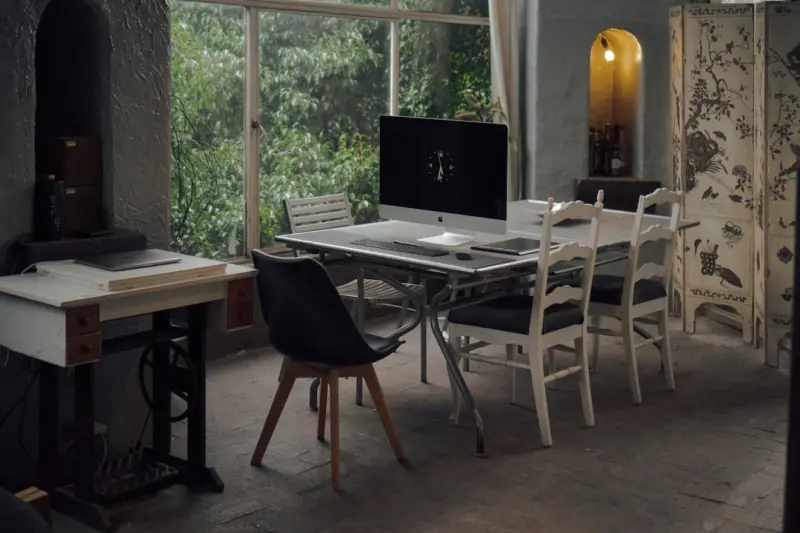
Upcycled‑Furniture Home Office: Turning Second‑Hand Finds Into a Productivity Hub
Discover a step‑by‑step plan to create a high‑performing home office using reclaimed furniture... Read More
Closet Revamp: Turning Your Storage Space into a Personal Styling Studio
Discover a step‑by‑step guide to turn your cluttered closet into a personal styling studio, usin... Read More
Creating a Multi‑Sensory Sanctuary at Home: Sound, Light, and Touch Strategies
Learn how to turn any room into a multi‑sensory sanctuary using sound‑absorbing rugs, layered li... Read More
Top Posts

When AI Becomes Your Quiet Mentor: Turning Algorithms into Personal Growth Guides
Explore a fresh take on AI as a personal growth companion that provides contextual, non‑intrusive nudges, helping you turn everyday algorithms into quiet ment...Read More
Elevate Your Yard: The Ultimate Guide to Vertical Gardening
Turn blank walls and fences into productive, beautiful vertical gardens with our step‑by‑step guide, covering plant choices, DIY structures, irrigation, and...Read More

Travel as a Personal Lab: Designing Experiments on the Road
Treat each journey like a laboratory, defining hypotheses, measuring outcomes, and iterating. Discover how micro‑movements, tech tools, and a curiosity‑firs...Read More
Why Employee Learning Pods Are the Quiet Revolution in the Workplace
Learning pods—small, self‑organized groups focused on shared goals—are transforming how teams acquire skills and bond, delivering real results and stronge...Read More
0 Comments
Post Comment
You will need to Login or Register to comment on this post!