
Cultivating a Sensory Garden for Mindful Living
When I first stepped into a garden that whispered, smelled, and beckoned me to touch every leaf, I realized that the outdoors could be more than a visual showcase—it could be a full‑body meditation. Plants have a language beyond color, speaking through rustling leaves, aromatic oils, and the subtle crunch of soil beneath a barefoot step. In an age where screens dominate our attention, designing a space that engages sight, sound, smell, touch, and even taste can reset the nervous system and anchor us in the present moment. This article walks you through the art of building a sensory garden that feels like a living sanctuary, offering practical guidance that balances creativity with the low‑maintenance ethos many of us crave.
Seeing the Seasons: Color and Texture
The visual impact of a garden is the most immediate, but true visual intrigue comes from layering colors and textures that change throughout the year. Plant a succession of blooms—early‑season crocuses, midsummer coneflowers, and late‑fall asters—to ensure a continuous palette of hues that shift with daylight. Mix foliage with contrasting leaf shapes: the feathery fronds of ferns beside the glossy, spear‑shaped leaves of ornamental grasses create a dynamic tapestry that draws the eye. Incorporate structural elements like reclaimed wooden trellises or weathered stone walls; they add depth and serve as backdrops for climbing vines, turning a flat plot into a three‑dimensional experience. By planning for seasonal variation, you give yourself a garden that never feels static, keeping the mind curious and engaged.
Listening to the Landscape: Soundscapes
Sound often goes unnoticed in garden design, yet it is a powerful conduit for relaxation. A simple water feature—whether a modest birdbath fountain or a shallow pebble cascade—creates a gentle, rhythmic murmur that masks urban noise and invites calm. Complement the water with wind‑responsive elements such as bamboo chimes or hollow reed stalks; as the breeze passes, they emit soft, melodic tones that encourage mindful listening. Planting bird‑friendly species like sunflowers, coneflowers, and native grasses attracts feathered visitors whose songs add a natural soundtrack. Even the subtle rustle of leaves, especially those with fine, papery textures, can become a soothing white noise when placed strategically among pathways. By curating these auditory layers, you transform a garden from a visual exhibit into an immersive soundscape.
Inviting Aromas: Smell as Memory
Our sense of smell is tightly linked to memory and emotion, making fragrant plants a secret weapon for emotional well‑being. While many gardeners gravitate toward classic lavender rows, consider diversifying with herbs such as lemon balm, mint, and thyme, each offering a distinct scent profile that can be enjoyed up close. Seasonal aromatic blooms—sweet peas in spring, garden roses in summer, and fragrant chrysanthemums in fall—extend the olfactory journey throughout the year. To avoid overlapping with the “Scented Garden Pathways” post, focus on subtle, layered aromas rather than overtly perfumed walkways; for instance, interplant rosemary near a stone bench so the scent is released only when someone sits and leans back. By positioning fragrant plants at varying heights and distances, you create a scented tapestry that unfolds as you move through the space, triggering positive memories and reducing stress.
Touching Nature: Tactile Exploration
Engaging the sense of touch transforms a garden from a passive view into an interactive playground. Incorporate plants with diverse leaf textures—silky lamb’s ear, velvety sage, and the prickly charm of thistle—to invite gentle fingertips to explore. Add natural elements such as smooth river stones, reclaimed wooden planks, and sections of soft moss that can be walked on barefoot, grounding you to the earth’s energy. For families or children, consider a small “sensory pit” filled with sand, pine cones, and smooth pebbles, encouraging tactile discovery. Even garden furniture can contribute: a weathered log bench or a swing made from reclaimed rope adds a tactile dimension that encourages lingering. By thoughtfully integrating varied textures, you create a garden that rewards curiosity and nurtures a deeper, kinesthetic connection to the outdoors.
Flavorful Encounters: Taste Integration
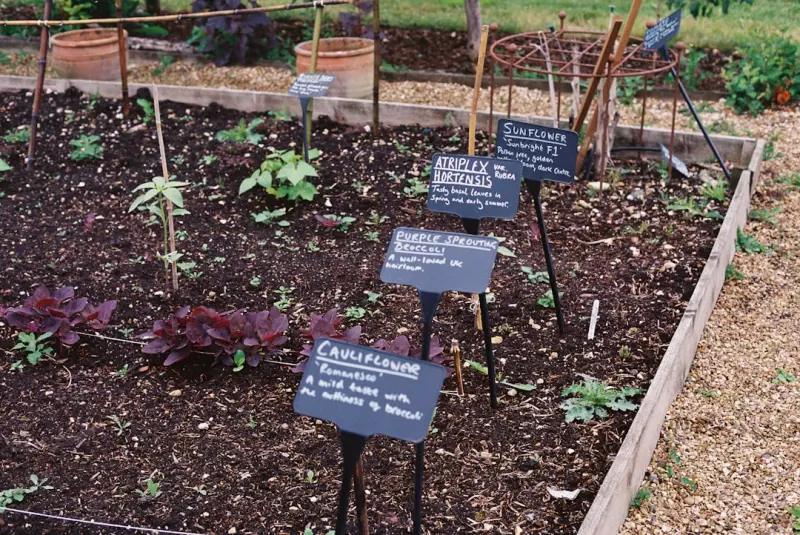
When a garden satisfies the palate, it moves from a visual refuge to a nourishing haven. Plant edible varieties that double as ornamental accents—such as crimson beetroot leaves, bright orange nasturtium flowers, or purple kale fronds—to blend beauty with utility. Position these edible gems along the borders of seating areas so that a casual stroll can end with a spontaneous bite of fresh salad greens or a pinch of peppery arugula. Incorporate fruit‑bearing shrubs like dwarf blueberry bushes or espaliered apple trees, which provide seasonal harvests without overwhelming the space. By designing the garden as a living pantry, you encourage mindful consumption and foster a deeper appreciation for where food originates, aligning culinary pleasure with the therapeutic rhythm of garden care.
Low‑Maintenance Strategies for Longevity
While a sensory garden thrives on variety, it need not become a burdensome chore. Embrace the principles of native garden design to select plants already adapted to local climate, soil, and pest pressures, dramatically reducing water and fertilizer demands. Group plants with similar water needs together—known as hydro‑zoning—to simplify irrigation and avoid over‑ or under‑watering. Incorporate mulches made from shredded bark or composted leaves; they retain moisture, suppress weeds, and slowly enrich the soil as they decompose. For inspiration on blending low‑maintenance aesthetics with ecological resilience, check out the guide on native garden design. By grounding your sensory garden in sustainable practices, you ensure it remains a source of calm rather than a source of stress.
Upcycling Elements: Creative Reuse in the Garden
Resourcefulness adds an extra layer of satisfaction to any garden project. Repurposing everyday items—old wooden pallets, glass bottles, or reclaimed metal gutters—can become striking focal points that echo the garden’s theme while keeping costs low. For example, transform a vintage ladder into a vertical herb display, or line a shallow trench with repurposed terracotta pots to create a rain‑chain that guides water in a decorative cascade. These projects not only reduce waste but also invite personal storytelling into the landscape. Need inspiration for turning junk into garden treasure? Explore the step‑by‑step ideas in upcycling garden projects. When each element carries a memory, the garden feels more intimate and uniquely yours.
Seasonal Care Routine: Keeping the Sensory Flow Alive
Maintaining the sensory richness of your garden requires a simple, cyclical care schedule that aligns with nature’s rhythm. In early spring, prune dead wood, divide crowded perennials, and sow cool‑season herbs to jump‑start the scent and flavor components. Summer calls for regular watering—preferably early morning—to preserve the integrity of aromatic leaves and prevent fungal issues; a light mist on foliage can also intensify fragrance. Autumn is the ideal time to mulch, compost fallen debris, and plant late‑blooming asters for a final burst of color and nectar for migrating pollinators. Finally, a gentle winter sweep—removing broken stems and clearing pathways—prepares the garden for a fresh start in spring. By adhering to this seasonal rhythm, you nurture a garden that continuously offers sight, sound, scent, touch, and taste, turning every visit into a restorative ritual.

Jimmy Damon loves to right on a large scale of topics with all things Canadian as this Montreal die hard loves hockey. fishing and sports.
Related Posts
Cultivating Productivity: How Garden Desks Transform Home Life
A garden desk isn’t just furniture; it’s a lifestyle upgrade that merges work, wellness, and the... Read More
Why Garden Desks Are the Hottest Trend Transforming Home & Garden Living
Explore the rise of garden desks, their design tips, productivity gains, and community impact, all w... Read More

Reviving Forgotten Spaces: Turning Everyday Items into Garden Magic
Learn how to transform everyday household items into functional garden pieces, from pallet herb wall... Read More
Top Posts

Unlocking Peak Performance Through Intentional Personal Care
A high‑performer’s bathroom can be a hidden engine of productivity. Learn to audit products, align timing with body rhythms, use simple data, and adopt micr...Read More

Work‑From‑Anywhere as a Launchpad for a New Employment Paradigm
The shift to work‑from‑anywhere is more than a perk; it’s the foundation for a new employment model that blends autonomy, continuous skill growth, and pur...Read More

Gut Microbiome Mastery: Small Shifts for Big Energy and Focus Gains
A deep dive into the gut microbiome reveals practical, everyday habits—like diverse fibers and fermented foods—that can dramatically improve energy, cogniti...Read More
Designing a Backyard Herb Spiral: A Living Palette of Fresh Flavors
Discover the art of crafting a herb spiral—a compact, sustainable garden that delivers fresh herbs, attracts pollinators, and adds visual charm to any outdoor...Read More
0 Comments
Post Comment
You will need to Login or Register to comment on this post!