
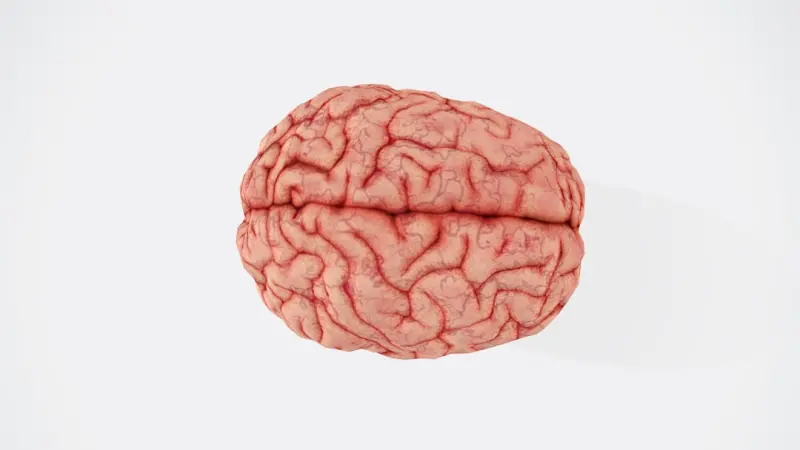
I used to brag about my ability to juggle back‑to‑back Zoom calls, a buzzing kitchen, and a playlist that never stopped—until my brain finally shouted for a timeout. The constant parade of notifications, bright screens, and background chatter created a low‑grade hum that settled into my shoulders, my thoughts, and eventually my sleep, leaving me feeling perpetually foggy, irritable, and oddly detached from the simple pleasures that used to energize me. It was in a moment of quiet desperation, standing in a dimly lit hallway with the office lights flickering off, that I stumbled upon the idea of a sensory reset: a deliberate, short‑term pause in the flood of light, sound, and touch that gives the nervous system permission to recalibrate, much like a computer reboot clears corrupted code before it can cause a crash.
Our nervous system is a finely tuned orchestra, constantly interpreting visual cues, auditory signals, and tactile feedback to keep us oriented and productive; when every instrument plays at full volume for hours on end, the conductor—our brain—begins to lose the beat. Neuroscientists call this phenomenon “sensory overload,” and research shows that prolonged exposure to high‑intensity stimuli can elevate cortisol levels, impair neuroplasticity, and blunt the reward pathways that make us feel pleasure. By understanding that our bodies are not built for perpetual high‑octane input, we can start to treat the sensory environment as a modifiable factor, just as we would adjust our diet or exercise routine, to protect mental clarity, emotional balance, and physical health.
The first lever in the reset toolkit is light, and it may be the most powerful because it directly governs our circadian rhythm, hormone release, and melatonin production. Dimming the lights an hour before bed signals the pineal gland to ramp up melatonin, ushering in restorative sleep; conversely, bright, blue‑rich light in the late afternoon can sabotage that natural decline, leaving us wired when we should be winding down. Simple practices—like switching to warm, amber bulbs in the evening, using blackout curtains, or taking a brief “dark retreat” by closing the blinds and turning off screens for ten minutes—can dramatically lower heart rate variability and give the brain a chance to process the day’s information without the constant glare of artificial illumination.
Sound operates on a similar frequency, but its impact is often more subtle; a constant hum of traffic, a neighbor’s television, or the incessant ping of email alerts can keep the sympathetic nervous system on high alert, preventing the parasympathetic “rest‑and‑digest” mode from ever fully engaging. Research into auditory deprivation shows that even a short period of silence—five to ten minutes—can reduce cortisol, improve focus, and increase creativity by allowing the brain’s default mode network to reset. Practical ways to achieve this include using noise‑cancelling headphones, playing low‑frequency nature sounds at a low volume, or designating a “quiet hour” where all non‑essential devices are muted, creating a pocket of acoustic calm that the nervous system can use to recover from the day’s acoustic barrage.
Touch, the often‑overlooked third pillar, can be a soothing bridge between external overload and internal equilibrium; gentle pressure activates the vagus nerve, a key conduit for calming the heart rate and promoting the release of oxytocin, the hormone of trust and safety. Simple actions like wrapping your hands around a warm mug, pressing your feet firmly into the floor, or indulging in a brief self‑massage of the shoulders can trigger this cascade, sending a signal to the brain that it’s safe to let go of the fight‑or‑flight response. Incorporating a brief “grounding ritual”—standing barefoot on natural fibers, rolling a textured ball under the feet, or practicing a slow, intentional hug of oneself—creates a tactile anchor that reminds the nervous system that physical comfort is present, even when visual and auditory inputs are overwhelming.
When these three modalities are combined into a cohesive routine, the result is a powerful, low‑tech reset that can be slotted into any busy schedule. I’ve found that a thirty‑minute evening ritual—starting with dimming the lights, moving into a silent room with a soft, tactile blanket, and ending with a few minutes of gentle self‑massage—creates a cascade of physiological benefits: lower blood pressure, clearer mental focus the next morning, and a subtle but noticeable lift in mood that lasts throughout the day. The key is consistency; just as we wouldn’t expect to see muscle gain after a single workout, the nervous system needs repeated exposure to restorative pauses to rewire its stress response pathways and build resilience against future overload.
Beyond the home, sensory reset can be a game‑changer in the workplace, especially for remote professionals who blur the line between office and living space. Setting up a “sensory pod”—a corner of the room equipped with blackout curtains, a small white‑noise machine, and a plush pillow—gives you a go‑to refuge when emails pile up or meetings run long. Even a brief five‑minute “light break,” where you step away from the monitor, turn off the overhead lights, and close your eyes, can restore visual acuity and reduce eye strain. Travelers can also benefit by using travel‑friendly tools like compact eye masks, earplugs, and a pocket‑sized textured stone to create micro‑resets on airplanes or in hotel rooms, ensuring that the excitement of new environments doesn’t come at the cost of mental fatigue.
In practice, these tiny actions echo the philosophy of Micro‑Movement Magic, where small, intentional gestures compound into noticeable health gains over time. Just as a single minute of ankle circles can improve circulation, a minute of darkness, silence, or gentle pressure can recalibrate neural pathways, making the brain more receptive to learning, creativity, and emotional regulation. The beauty of this approach is that it doesn’t require a massive time investment or expensive equipment—just a willingness to honor the body’s need for periodic reprieve, and the curiosity to experiment with what combinations of light, sound, and touch feel most restorative for you.
Finally, integrating sensory reset with movement practices amplifies the benefits, creating a holistic loop of renewal. Pairing a brief “sensory pause” with a slow walk—what I like to call a walking reset—allows the body to release residual tension while the brain processes the quiet, dark, or tactile cues you’ve introduced. This synergy is highlighted in Walking Meditation, where the rhythmic steps become a metronome for the nervous system, grounding the sensory reset in kinetic energy and deepening the sense of calm. Whether you stride through a park, pace your living room, or simply shuffle from the kitchen to the bedroom, the combined effect of movement and sensory modulation can turn an ordinary day into a series of purposeful, health‑boosting micro‑rituals that leave you feeling centered, energized, and ready for whatever comes next.

Steph Sanderson is a Toronto-based freelance writer and content creator with a clear passion: crafting compelling articles. With a dedication to clear, engaging prose and a knack for storytelling, Steph brings a wealth of experience to every project.
Related Posts

The Quiet Health Engine: Harnessing Daily Gratitude for Better Well‑Being
A daily gratitude habit may seem modest, but its impact on brain chemistry, hormone balance, and imm... Read More

The Power of Breath: Simple Techniques to Reset Your Body and Mind
Explore the science behind breathwork and learn three quick breathing patterns that can lower stress... Read More

Why Community Walking Beats Solo Exercise for Whole‑Body Health
Community walking merges the benefits of aerobic exercise with the power of social connection, enhan... Read More
Top Posts
Digital Minimalism for Mental Clarity
Digital minimalism helps you reclaim mental clarity by intentionally pruning tech distractions, setting boundaries, and fostering offline rituals that reduce an...Read More

AI‑Powered Personal Knowledge Networks: Turning Data Overload into Insight
Explore AI‑powered personal knowledge networks that organize and synthesize your data, turning overload into actionable insight and empowering smarter decisio...Read More

From My Garden Desk: How a Green Workspace Redefines Home & Garden Living
Rose DesRochers reveals how a garden‑centric workspace boosts focus, reduces stress, and fosters eco‑friendly living—plus actionable tips to start your ow...Read More
Breathing Into Your Routine: Elevate Personal Care with Intentional Breathwork
Learn to integrate simple breathwork techniques into your daily personal care regimen, enhancing skin health, calming the nervous system, and turning routine ta...Read More
0 Comments
Post Comment
You will need to Login or Register to comment on this post!