
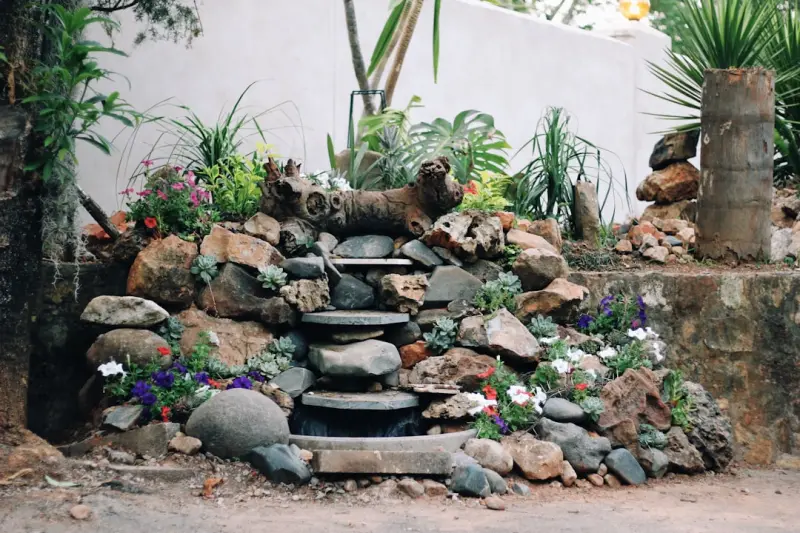
Why a Five‑Sense Garden?
When I first stepped into a garden that smelled of lavender, whispered with rustling grasses, and invited me to touch velvety leaves, I realized that a garden can be far more than a visual display; it can be an immersive sanctuary for the whole body. By deliberately planning for sight, smell, touch, sound, and even taste, we transform ordinary outdoor spaces into therapeutic retreats that reduce stress, spark curiosity, and anchor us in the present moment. This holistic approach also encourages family members of all ages to engage with nature in ways that screen‑time can never replicate, fostering deeper connections to the earth and to each other.
Selecting Plants for Sight and Smell
The visual and aromatic layers of a sensory garden are its most immediate invitations, so I start with a palette of colors and fragrances that change throughout the seasons. Early spring offers the pale pink blossoms of Magnolia stellata and the citrus‑bright scent of forsythia, while summer brings the deep violet of lavender and the sweet perfume of gardenias that linger at dusk. Autumn transitions to the smoky aroma of sage and the rich burgundy of Japanese maple foliage, creating a dynamic backdrop that keeps the garden feeling fresh year after year. By mixing low‑growers like thyme that release scent when brushed against with taller, showy blooms, we ensure that both eyes and nose are constantly delighted.
Texture and Tactile Exploration
Touch is often the most overlooked sense in garden design, yet it offers a grounding experience that can calm an overactive mind. I incorporate a variety of leaf textures—soft, downy lamb’s ear, smooth, glossy hostas, and the crisp, feathery fronds of ferns—to invite curious fingers to explore. Adding natural elements such as smooth river stones, weathered wooden planks, and woven willow baskets creates a tactile pathway that encourages barefoot strolls and mindful pausing. Even the garden’s structural components become interactive; a low, arched trellis made from reclaimed pallet wood not only supports climbing vines but also offers a sturdy handrail for those who appreciate a gentle grip.
Soundscapes: Wind, Water, and Wildlife
Sound adds an invisible layer of depth, turning a garden into a living orchestra that plays on the breeze and in the rain. I love installing a simple bamboo wind chime that sings softly with each gust, while a modest, recirculating fountain provides a steady, soothing murmur that masks unwanted urban noise. Planting grasses such as fountain grass and ornamental millet introduces a rustling whisper when the wind sweeps through, and attracting songbirds with seed feeders adds spontaneous melodies. These auditory elements blend seamlessly, creating a calm ambience that encourages meditation and conversation alike.
Subtle Flavors Without Turning the Yard into a Pantry
While edible landscaping is a popular trend, my goal is to incorporate taste in a way that complements the garden’s sensory focus rather than turning it into a full‑time kitchen. I plant a few low‑maintenance herbs like mint and lemon balm along the garden edge, allowing their scent to mingle with the air and offering occasional nibble opportunities for curious children. A small patch of edible flowers—nasturtiums, violas, and calendula—adds splashes of color while providing a gentle, peppery flavor when added to salads. This restrained approach ensures the garden remains a visual and sensory masterpiece without the upkeep demands of a full edible plot.
DIY Art from Recycled Materials
Personal touches make a garden feel truly yours, and repurposing everyday objects into garden art is both sustainable and rewarding. I’ve turned old metal spoons into whimsical wind spinners, painted reclaimed glass jars to become hummingbird feeders, and fashioned a mosaic stepping stone from broken tiles collected over the years. These projects not only reduce waste but also provide tactile and visual interest, inviting visitors to linger and discover hidden details. The process of creating these pieces becomes a seasonal ritual, deepening my bond with the space as each new element is added.
Seasonal Planning for Year‑Round Sensory Delight
To keep the garden engaging throughout the year, I design a planting calendar that staggers bloom times, foliage changes, and seed head displays. Early spring bulbs like crocuses burst through the soil, followed by summer’s sun‑loving coneflowers, and finally autumn’s fiery asters that retain color well into winter. By selecting ever‑green shrubs such as boxwood and dwarf spruce, the garden retains structure and a sense of life even when deciduous plants have fallen silent. This thoughtful sequencing ensures that there is always something to see, smell, or hear, no matter the month.
Low‑Maintenance Practices That Preserve the Sensory Experience
Maintaining a sensory garden shouldn’t become a chore that steals joy from the experience, so I employ strategies that keep upkeep simple and efficient. Mulching with shredded bark not only conserves moisture but also adds a subtle earthy scent as it decomposes, while drip irrigation delivers water directly to roots, reducing waste and the need for frequent watering. I also prune selectively, focusing on removing dead material and shaping plants for optimal airflow, which helps prevent disease and keeps the garden looking tidy with minimal effort. These practices free up time to enjoy the garden rather than labor in it.
Connecting the Garden to the Home Interior
Finally, I extend the sensory journey indoors by positioning a few potted plants on the patio railing and near windows, allowing the scents and textures to drift into the house. A small indoor fountain echoes the garden’s water feature, and a collection of hand‑crafted garden stones displayed on a mantle adds a tactile reminder of the outdoor space. By creating visual and aromatic corridors between the interior and exterior, the garden’s calming influence becomes a constant companion, enriching daily life long after the sun sets.

When it comes to the world of blogging and writing, Rose DesRochers is a name that stands out. Her passion for creating quality content and connecting with her audience has made her a trusted voice in the industry. Aside from her skills as a writer and blogger, Rose is also known for her compassionate nature.
Related Posts
Seasonal Doorway Transformations: Turning Entryways into Living Welcomes
A step‑by‑step guide to turning any doorway into a seasonal showcase, using resilient plants, su... Read More
Micro‑Herb Windowsill Gardens: Harvest Fresh Flavors All Year
Learn step‑by‑step how to set up, maintain, and style a micro‑herb garden on your windowsill, ... Read More
Seasonal Scent Curation and Sustainable Garden Design: A Fresh Take on Home & Garden
Explore innovative ways to curate seasonal scents, create wildlife corridors, and use recycled mater... Read More
Top Posts

Travel as a Living Museum: Curating Sensory Adventures on the Road
A fresh take on travel encourages explorers to treat each destination as a living museum, using a sensory map to capture sounds, tastes, textures, and aromas fo...Read More

How a Personal Board of Directors Can Transform Your Career Pivot
Learn to create a Personal Board of Directors—a small, trusted advisory group that provides strategic guidance, accountability, and diverse perspectives to he...Read More

Unlocking Career Acceleration Through Employee Resource Groups
Explore the untapped power of Employee Resource Groups as a strategic tool for skill building, networking, and rapid career progression....Read More

The Power of Breath: Simple Techniques to Reset Your Body and Mind
Explore the science behind breathwork and learn three quick breathing patterns that can lower stress, enhance sleep, and support daily wellness—all without an...Read More
0 Comments
Post Comment
You will need to Login or Register to comment on this post!