
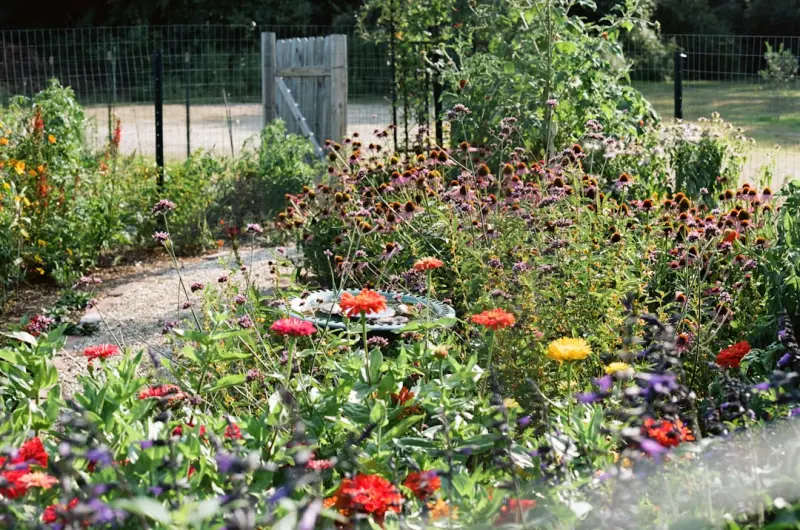
Why Your Home Garden Should Feel Like a Living Library
When I first moved into my modest bungalow, the yard was nothing more than a patch of stubborn grass and a few wilting perennials that had survived a harsh winter. I imagined a tidy lawn, maybe a couple of flower beds, but the vision that truly sparked my heart was something far richer: a space that reads like a book, each plant a chapter, each season a new edition. That’s the perspective I bring to every gardening project now—seeing the garden not just as décor, but as a living repository of stories, flavors, and sensations.
1. Mapping Your Narrative: Planning With Purpose
Before you lift a spade, take a moment to draft the storyline of your garden. Ask yourself:
- What themes resonate with you? Herbaceous cuisine, pollinator paradise, or a sensory retreat?
- Which chapters (plant zones) will you develop first?
- How will the plot evolve over time—will you start with hardy perennials and later introduce annuals?
This intentional mapping prevents the common trap of planting on impulse, which often leads to mismatched sunlight needs or overcrowded beds. Think of your garden as a novel you write page by page, with each planting decision adding depth and intrigue.
2. Soil: The Unseen Protagonist
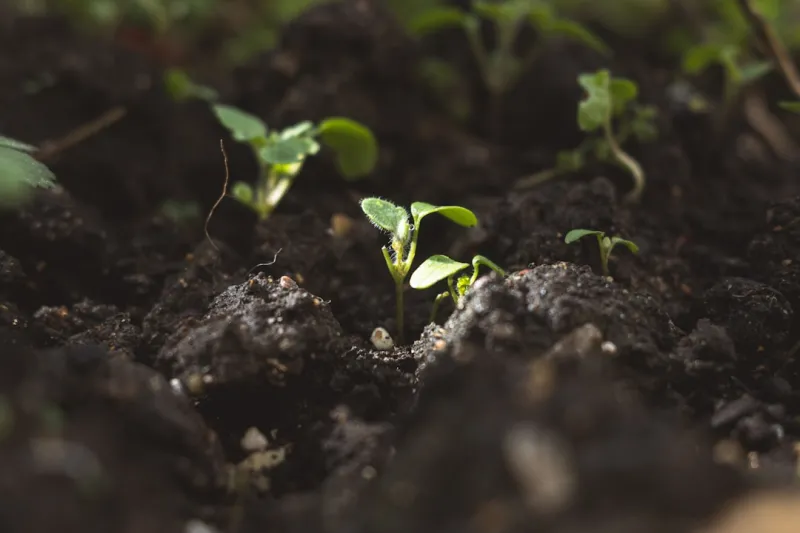
Just as a good story needs a solid foundation, your garden thrives on healthy soil. I like to think of soil as the “character development” stage for plants. To enrich it:
- Conduct a simple pH test using a kit from your local garden center.
- Add organic matter—compost, leaf mold, or well‑rotted manure—to improve texture and nutrient content.
- Incorporate mycorrhizal fungi inoculants; they form symbiotic relationships that boost root efficiency.
These steps create a medium where roots can explore, nutrients are readily available, and beneficial microbes flourish—setting the stage for resilient growth.
3. Embracing the “Micro‑Garden” Narrative
One of the most rewarding sub‑plots in my gardening journey has been the rise of small home getaways. While the original article explores fleeting escapes beyond the doorstep, I’ve repurposed the idea to spotlight micro‑gardens: compact, purposeful spaces that deliver big sensory rewards.
Think of a sunny windowsill herb rack, a vertical garden on a balcony, or a reclaimed pallet filled with succulents. These tiny ecosystems allow you to experiment with species that might feel too ambitious for a full‑scale plot, and they keep the garden narrative fresh throughout the year.
4. Seasonal Storytelling: Planting By Chapter
Every season offers a new “chapter” to tell:
- Spring: The opening act—bulbs, cool‑season greens, and early‑blooming perennials. Plant crocus, snowdrops, and lettuce for instant gratification.
- Summer: The climax—vibrant annuals, fruiting vegetables, and pollinator magnets. Mix zinnias, sunflowers, and tomatoes for color and harvest.
- Fall: The resolution—root crops, hardy shrubs, and cover crops that enrich the soil for the next act. Consider kale, mums, and clover.
- Winter: The intermission—protective mulches, evergreens, and structural elements like trellises that double as art installations.
By aligning planting schedules with seasonal narratives, you create visual and culinary continuity that keeps both you and your garden engaged.
5. The Resilience Plot: Learning From Setbacks
Gardening inevitably includes setbacks—unexpected frosts, pest invasions, or an over‑zealous watering schedule. Rather than seeing these as failures, I treat them as plot twists that deepen the story. A great read on this mindset is growing through setbacks. It reminds us that resilience is cultivated, not innate.
Practical steps to turn setbacks into growth opportunities:
- Document the incident with photos and notes. Over time, patterns emerge, guiding future decisions.
- Adjust cultural practices—perhaps altering watering frequency or switching to disease‑resistant varieties.
- Share the lesson with fellow gardeners; community knowledge is a powerful narrative thread.
6. Sensory Layers: Beyond the Visual
While many home‑garden guides focus on color palettes, I love weaving in scent, texture, and sound. A truly immersive garden stimulates all senses:
- Scent: Lavender, rosemary, and sweet peas release aromatics that linger on breezes.
- Touch: Fuzzy lamb’s ear, smooth succulents, and the crisp bite of rosemary leaves invite tactile exploration.
- Sound: Incorporate wind chimes, rustling grasses, or a small water feature that creates a calming soundtrack.
These layers turn a simple yard into an experience—a place you return to not just for beauty, but for holistic rejuvenation.
7. DIY Garden Structures: Crafting Your Own Set Pieces
Professional landscaping can be pricey, but with a little creativity, you can design functional structures that also serve as decorative focal points:
- Raised Beds: Use reclaimed timber or old pallets. They improve drainage, reduce back strain, and give a tidy, modern look.
- Vertical Planters: Hang shoe organizers or repurpose old ladders for cascading herbs and trailing vines.
- Compost Nook: Build a compact, odor‑controlled bin from a wooden crate lined with hardware cloth. Turn kitchen scraps into black gold for your beds.
Each structure becomes a character in your garden’s story, offering both utility and aesthetic charm.
8. The Edible Edge: Merging Kitchen & Garden
One of my favorite plot twists is integrating edible plants into ornamental designs. Imagine a border of marigolds (which deter pests) interspersed with chives and nasturtium. The latter adds peppery greens to salads while its bright flowers brighten the beds.
Tips for a seamless edible‑ornamental blend:
- Choose varieties with attractive foliage—Swiss chard provides vivid stems and leaves.
- Use herbs as borders; they’re low‑maintenance and provide culinary benefits.
- Plant fruiting vines like grape hyacinths along trellises for visual height and harvestable bounty.
9. Sustainable Practices: The Green Chapter
Eco‑conscious gardening isn’t a side note; it’s a core theme. Adopt these sustainable habits to keep your garden story environmentally responsible:
- Rainwater Harvesting: Install a barrel with a mesh screen to collect runoff for irrigation.
- Native Plants: They require less water, attract local pollinators, and fit naturally into the regional ecosystem.
- Mulching: Use straw, bark chips, or shredded leaves to retain moisture, suppress weeds, and slowly feed the soil.
These practices not only reduce your footprint but also add authenticity to the narrative—your garden becomes a living example of stewardship.
10. Community Plot Twists: Sharing the Story
While a backyard can be a personal sanctuary, extending the narrative to neighbors creates a richer tapestry. Consider:
- Hosting a seasonal seed‑swap—exchange heirloom varieties and stories behind them.
- Organizing a “garden walk” where neighbors tour each other’s spaces, sharing tips and inspiration.
- Creating a communal herb table in a shared courtyard for all to harvest from.
These communal chapters foster connections, turning isolated plots into a neighborhood anthology of growth.
11. Maintaining Momentum: The Ongoing Edit
Just as a writer revisits drafts, a garden benefits from regular “editing.” Set a quarterly schedule:
- Spring Review: Prune dead wood, refresh mulch, and add early‑season plantings.
- Summer Check‑In: Monitor water needs, harvest ripe produce, and deadhead spent blooms.
- Fall Cleanup: Cut back perennials, plant cover crops, and prepare soil for winter.
- Winter Rest: Inspect structures for damage, plan next year’s plot, and enjoy indoor garden journals.
This disciplined rhythm keeps the garden’s plot coherent, allowing each season’s story to flow naturally into the next.
Conclusion: Writing Your Own Green Narrative
When you view your home garden through the lens of storytelling, every decision gains purpose, every challenge becomes a plot twist, and every bloom is a celebrated climax. The garden evolves with you, reflecting your tastes, values, and the rhythms of the natural world. So grab a notebook, sketch a rough outline, and let the soil be your ink. Your living library awaits—turn the first page today.

Steph Sanderson is a Toronto-based freelance writer and content creator with a clear passion: crafting compelling articles. With a dedication to clear, engaging prose and a knack for storytelling, Steph brings a wealth of experience to every project.
Related Posts
Pocket Gardens: Transform Tiny Spaces into Lush Retreats
Pocket gardens turn modest nooks into vibrant retreats, offering mental health benefits, fresh herbs... Read More
Cultivating Productivity: The Joy of Working From a Garden Desk
Explore the benefits of a garden desk—from heightened focus and wellness to eco‑friendly practic... Read More
Cultivating a Plant‑Infused Reading Nook: A Green Escape for Book Lovers
Discover how to blend books and foliage to craft a tranquil, stylish reading nook that nurtures both... Read More
Top Posts

Micro‑Internships: The Secret Weapon Reshaping Hiring
Micro‑internships provide a fast, outcome‑focused hiring approach that lets companies test real skills while giving job seekers paid, portfolio‑building e...Read More
From Soil to Spreadsheet: How My Garden Is Redefining the Future of Employment
Jimmy Damon shares how his garden office transforms work, boosts output, and sets a sustainable standard for the future of employment.---...Read More

The Breath Reset: Simple Practices to Rewire Stress and Boost Vitality
A deep dive into the science of breathwork, offering practical breathing patterns, space design tips, and real‑world case studies to help professionals reduce...Read More

Designing Micro‑Escapes: How Tiny Trips Can Recharge Your Creative Engine
Micro‑escapes, brief trips close to home, can deliver the same cognitive lift as long vacations. Learn a structured sprint‑style framework, tech‑enabled p...Read More
0 Comments
Post Comment
You will need to Login or Register to comment on this post!