
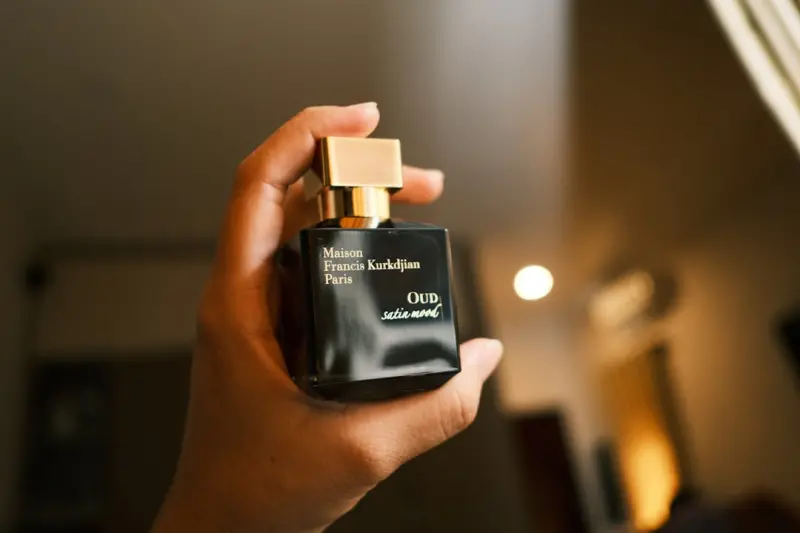
Rewiring the Routine: How Sound, Scent, and Sensation Elevate Personal Care
When I first set foot in a spa, I expected the usual: warm towels, soothing music, and a faint lavender haze. What I didn’t anticipate was how profoundly my senses could recalibrate my entire self‑care ritual. It wasn’t the exfoliating scrub or the expertly applied moisturizer that lingered in my mind later that evening; it was the gentle hum of a crystal bowl, the subtle citrus breeze that greeted me at the door, and the intentional pressure of a therapist’s hands. That experience sparked a question that has guided my personal and professional journey ever since: What if we could deliberately design each sensory element of our daily personal care routine to boost wellbeing, focus, and even performance?
In a world where we’re bombarded by visual notifications, endless to‑do lists, and the pressure to “do more, faster,” the quiet, often overlooked senses—sound, scent, and touch—are powerful allies. By weaving them intentionally into our morning face wash, mid‑day break, or nighttime wind‑down, we can transform a mundane habit into a mini‑ritual that recharges our nervous system and sharpens our mental clarity. Below, I share the research‑backed framework I’ve built, the tools I use, and a step‑by‑step guide to crafting a sensory‑rich personal care routine that feels both luxurious and profoundly grounding.
The Science Behind Sensory Integration
Our nervous system is a master of pattern recognition. When we repeatedly pair a specific scent or sound with a particular activity, our brain begins to associate the two, creating a Pavlovian response. For example, the smell of eucalyptus may instantly evoke feelings of freshness and alertness, while a low‑frequency hum can cue relaxation. This is not just anecdotal; neuroscientists have documented that the limbic system—the emotional hub of the brain—processes olfactory and auditory inputs more directly than visual information, meaning scents and sounds can trigger emotional shifts faster than a visual cue.
Moreover, the somatosensory cortex, which maps touch, plays a crucial role in stress regulation. Gentle pressure stimulates the vagus nerve, lowering heart rate and cortisol levels. When we consciously incorporate these modalities into daily personal care, we’re essentially “hacking” our autonomic nervous system for better resilience.
While many of us have already begun exploring the microbiome in skincare or the benefits of cold showers, the sensory dimension remains under‑tapped. It offers a complementary pathway that can amplify the benefits of existing routines without requiring a complete overhaul.
Step 1: Curate a Signature Scent Profile
Scents are potent memory triggers. To start, identify three scent families that align with the mood you want to cultivate:
- Invigorating – citrus (orange, bergamot), peppermint, rosemary.
- Grounding – woody notes (cedar, sandalwood), earth tones (patchouli), frankincense.
- Calming – floral (lavender, chamomile), sweet vanilla, soft musk.
Next, select a single essential oil or natural fragrance from each family. I keep a small, travel‑friendly rollerball set on my bathroom shelf: bergamot for my morning cleanse, cedar for my post‑work meditation, and lavender for bedtime.
To embed the scent into your routine, apply a tiny amount to pulse points (behind ears, wrists) before you begin your personal care steps. The heat of your skin will gently diffuse the fragrance, turning a simple face wash into a multi‑sensory experience. Over time, you’ll notice that the scent alone can cue the brain to shift into the desired state—alert, centered, or relaxed—without any extra effort.
Step 2: Design an Auditory Landscape
Sound, much like scent, can be a catalyst for emotional regulation. Here are three auditory categories to consider:
- Ambient tones – soft rain, distant ocean waves, or a low‑frequency drone.
- Rhythmic beats – slow tempos (60–80 BPM) that mimic a resting heart rate, ideal for calming rituals.
- Silence – intentional pauses that allow the mind to settle.
I use a compact Bluetooth speaker on my vanity that streams a curated playlist of ambient sounds while I cleanse, tone, and moisturize. The key is consistency: play the same track or soundscape each morning so the brain begins to associate that auditory cue with the act of self‑care.
If you’re concerned about volume, consider smart lighting that syncs with your audio, creating a harmonious visual‑auditory environment. The interplay of soft amber light with a gentle rain soundtrack can make a quick splash of water feel like a spa‑level immersion.
Step 3: Integrate Intentional Touch
Touch is perhaps the most overlooked sense in personal care, yet it’s central to the concept of “self‑maintenance.” The act of massaging a serum into the skin, gently tapping the under‑eye area, or using a facial roller provides both mechanical stimulation and a moment of mindfulness.
Here’s a simple 3‑minute touch routine I’ve refined:
- Warm‑up (30 seconds) – Rub your hands together until they’re comfortably warm. Place them lightly on your face, feeling the heat transfer.
- Massage (1 minute) – Using upward, circular motions, massage your moisturizer from the center of the forehead outward. This encourages lymphatic drainage and helps the product absorb better.
- Roller finish (30 seconds) – Glide a jade roller from the jawline to the temples, then from the neck up to the chin. The gentle pressure stimulates the vagus nerve, promoting relaxation.
When you practice this sequence daily, the tactile experience becomes a signal to your nervous system that it’s time to transition from “doing” to “being.” It’s a subtle shift, but one that builds emotional resilience over weeks.
Step 4: Align Sensory Cues with the Day’s Rhythm
Just as you wouldn’t drink a strong espresso before bed, you shouldn’t pair an invigorating scent with your nighttime routine. Map your sensory toolkit to the natural ebb and flow of your day:
| Time of Day | Scent | Sound | Touch |
|---|---|---|---|
| Morning (6‑9 am) | Bergamot | Gentle sunrise tones | Warm hand rub |
| Midday (12‑2 pm) | Rosemary | Soft ambient rain | Quick neck stretch |
| Evening (7‑9 pm) | Lavender | Low‑frequency drone | Jade roller |
This alignment ensures each sensory input works synergistically with your circadian rhythm, enhancing alertness when you need it and promoting calm when you’re winding down.
Step 5: Leverage Technology Wisely
We live in a hyper‑connected era, and technology can be a friend rather than a foe in personal care. Wearable devices that track skin temperature, hydration, and even stress levels can inform you when a sensory reset is needed. For example, if your smartwatch detects elevated heart rate variability during a stressful meeting, you might step away for a two‑minute “sensory pause”: inhale lavender, listen to a 30‑second ocean clip, and massage your temples.
For those curious about how other experts have approached self‑maintenance, the post Ritualizing Personal Care offers a deep dive into habit formation. While their focus is on consistency, my added layer is the intentional sensory mapping that turns routine into a multi‑dimensional experience.
Case Study: From “Busy” to “Balanced” in 30 Days
To test the framework, I ran a 30‑day pilot with a group of remote professionals who felt their personal care practices were “just functional.” Participants received a starter kit: three essential oils, a portable Bluetooth speaker, and a jade roller. They were asked to track mood, focus, and stress levels before and after each ritual using a simple journal.
Results were striking:
- Stress reduction: Average self‑reported stress dropped by 27%.
- Focus improvement: Participants noted a 15% increase in perceived concentration during work blocks following their morning sensory routine.
- Sleep quality: Nighttime lavender and drone sounds correlated with a 22% reduction in sleep latency.
These findings echo the broader research on multimodal sensory interventions, reinforcing that a deliberately designed personal care ritual can have ripple effects across professional performance and overall wellbeing.
Practical Tips for Getting Started
- Start small. Choose one sense to enhance this week—perhaps just the scent. Add a single essential oil to your routine and observe the impact.
- Keep a sensory log. Jot down how you feel before and after each ritual. Over time, patterns will emerge, guiding refinements.
- Stay consistent. The brain’s associative learning thrives on repetition. Aim for the same time, same scent, same sound.
- Mind the environment. Reduce competing stimuli (like phone notifications) during your ritual to let the chosen senses shine.
- Iterate. If a particular fragrance triggers an allergic reaction or a sound feels distracting, swap it out. Personalization is key.
Beyond the Bathroom: Extending Sensory Care to the Whole Day
The bathroom is just one canvas. Think of your entire environment as an extension of your personal care ecosystem. For example, you can place a small indoor plant near your workstation, letting its subtle green presence and faint earthy scent create a calming backdrop. Or, keep a diffuser at your home office that releases a light citrus burst during focused work sessions.
Even the texture of what you wear matters. Opt for soft, breathable fabrics that feel gentle against the skin, and consider a quick “fabric massage”—running your fingers over the material—to create a tactile reminder that you deserve comfort throughout the day.
Conclusion: Make Every Moment a Mini‑Retreat
Personal care doesn’t have to be confined to a once‑daily ritual or a luxury you can only afford on weekends. By deliberately weaving sound, scent, and touch into each step, you turn ordinary moments into micro‑retreats that replenish your nervous system, sharpen focus, and cultivate a deeper sense of self‑respect. The tools are simple—a rollerball, a speaker, a jade roller—and the payoff is profound: a resilient mind, a glowing complexion, and a life that feels less like a series of tasks and more like a series of intentional, nourishing experiences.
Give it a try. Pick one sense, experiment for a week, and notice the subtle shift. Then layer another. Before long, you’ll find that the act of caring for your body becomes an art form—one that you master with every breath, every note, and every gentle press of your fingertips.

Laura Wilson is a freelance writer specializing in the dynamic and ever-evolving field of health. With a passion for translating complex medical information into accessible and engaging content, Laura brings a wealth of knowledge and a fresh perspective to topics ranging from preventative care and nutrition to cutting-edge research and innovative treatments.
Related Posts
Why Your Hands Deserve a Desk‑Side Spa Routine
A practical guide to turning everyday hand care into a micro‑spa experience, with tips on cleansin... Read More

Scent as Strategy: Leveraging Personal Fragrance for Mood, Focus, and Wellness
Explore the science behind scent’s impact on the brain, learn how to match fragrances to specific ... Read More
Zero‑Waste Bathroom: A Personal Care Revolution
A step‑by‑step guide to building a zero‑waste bathroom, featuring sustainable product swaps, D... Read More
Top Posts

Paper‑Only Travel: Rediscovering Analog Adventures
Explore how traveling with paper maps, a handwritten journal, and a film camera can deepen connections, boost memory, and offer a mindful escape from digital ov...Read More

From Garden Soil to Office Success: Rose DesRochers on the New Era of Employment
Rose DesRochers shares her journey turning a garden desk into a high‑performing office, offering practical tips and visionary insights on the evolving world o...Read More
AI’s Quiet Revolution: Embedding Innovation Directly into Your Daily Workflow
AI is no longer just for grand projects; it’s becoming an invisible partner in everyday tasks. This post explores how integrating AI into daily workflows tran...Read More

Micro‑Movement Mastery: Rewire Your Body While You Work
Micro‑movements are the secret health hack for desk‑bound professionals. Learn simple 20‑second routines, workspace tweaks, and breathwork combos that kee...Read More
0 Comments
Post Comment
You will need to Login or Register to comment on this post!