
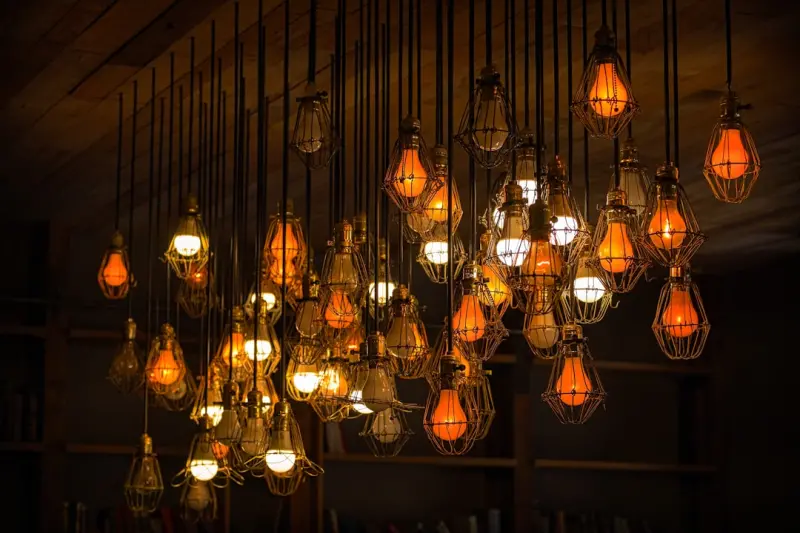
Why Smart Lighting Is the Unsung Hero of a Cozy, Productive Home
When you walk into a room, the first thing you notice (aside from the furniture) is the light. It’s more than a utilitarian need; it shapes mood, influences focus, and even nudges our circadian rhythm. Yet most of us treat lighting like an afterthought—plug a fixture, flip a switch, and call it a day. In reality, a thoughtful lighting strategy can turn a bland living space into a vibrant sanctuary and a chaotic kitchen into a culinary command center. In this guide, I’ll walk you through practical, budget‑friendly ways to harness the power of smart lighting, so every corner of your home works for you, not against you.
Understanding Light: The Three Pillars
Before diving into gadgets and bulbs, it helps to grasp the three core components of good lighting: ambient, task, and accent. Ambient light provides overall illumination, task lighting zeroes in on activities that require precision (like reading or chopping vegetables), and accent lighting highlights features or creates visual interest.
- Ambient: Think ceiling fixtures, recessed lights, or soft LED panels that bathe the room in even light.
- Task: Desk lamps, under‑cabinet lights, or adjustable spotlights that eliminate shadows where you need them most.
- Accent: LED strips behind a TV, illuminated shelving, or colored fixtures that add drama.
Balancing these three layers is the secret sauce of professional interior designers, and you don’t need a design degree to apply it at home.
Start With the Basics: Replace, Rewire, Re‑think
Many households still rely on outdated incandescent bulbs that waste energy and emit harsh, yellow‑tinted light. Swapping them for LEDs is the fastest win. Look for bulbs labeled “daylight” (around 5000 K) for workspaces and “soft white” (2700–3000 K) for relaxation zones. If you’re on a tight budget, replace only the most frequently used fixtures first—your kitchen and home office are prime candidates.
Next, assess the placement of switches. Do you find yourself scrambling for a light switch in the middle of a cooking frenzy? Installing motion‑sensor switches or smart switches that can be controlled via an app eliminates that frustration and reduces wasted electricity.
Smart Bulbs: The Gateway to Automation
Smart bulbs are the entry point for many homeowners because they require no additional wiring—just a compatible Wi‑Fi network. Here’s why they’re worth the modest price bump:
- Adjustable color temperature: Shift from bright, energizing light in the morning to warm, calming hues at night.
- Scheduling: Program lights to turn on at sunrise, dim at bedtime, or simulate occupancy while you’re away.
- Voice control: Pair with assistants like Alexa or Google Home for hands‑free operation.
When choosing a brand, prioritize ones that support multiple ecosystems and have reliable firmware updates—this avoids the dreaded “lights stop responding” scenario.
Lighting Zones: Tailor Each Room to Its Primary Function
Every room has a dominant activity, and lighting should reinforce that purpose.
1. The Kitchen – Bright and Precise
Cooking demands clear visibility. Install under‑cabinet LED strips to illuminate countertops without creating glare on reflective surfaces. Pair them with a dimmable overhead fixture so you can soften the light for dinner conversations. If you love experimenting with recipes, consider a low‑effort kitchen garden on a sunny windowsill; the same natural light that nurtures herbs also boosts your mood while you prep meals.
2. The Home Office – Focus‑Friendly
Here, the goal is to reduce eye strain and boost concentration. A combination of a cool, 4000–5000 K overhead light and a dedicated task lamp on your desk is ideal. Many smart desk lamps let you toggle between “reading,” “working,” and “relaxation” modes with a single tap. Sync the lamp with your computer’s “night shift” mode to gradually warm the light as your day winds down.
3. The Living Room – Flexible Ambiance
Living rooms serve multiple purposes: binge‑watching, entertaining, and unwinding. Install a set of RGB LED strips behind the TV or along crown molding. With a simple app, you can switch from a vibrant party vibe to a soothing, low‑light movie night. Combine this with a few floor lamps that have adjustable heads, so you can direct light exactly where you need it—whether you’re reading a paperback or playing board games.
4. The Bedroom – Calm and Restorative
Sleep quality is directly linked to light exposure. Use smart bulbs that gradually dim over 30 minutes before bedtime, mimicking the natural sunset. Some bulbs even emit a subtle red hue, which has been shown to support melatonin production. Pair this with blackout curtains for the ultimate sanctuary.
5. The Bathroom – Functional Yet Soothing
Task lighting is essential for shaving or applying makeup, but you also want a spa‑like feel. Install a vanity light with a color‑temperature range, so you can switch to a bright, neutral light for grooming and a warm, soft glow for a relaxing soak.
Integrating Lighting With Your Daily Rhythm
Smart lighting isn’t just about convenience; it can be a subtle wellness tool. Research shows that exposure to bright light in the morning can improve alertness, while dimming lights in the evening supports a smoother transition to sleep. If you’re interested in the broader impact of environment on mental well‑being, check out this piece on cultivating mental hygiene. By aligning your home’s lighting schedule with your natural circadian rhythms, you’ll notice increased energy and focus throughout the day.
DIY Projects: Add Personality Without Breaking the Bank
Not everyone wants to invest in high‑end fixtures. Luckily, there are plenty of DIY hacks to upgrade your lighting:
- Jar Lights: Fill mason jars with fairy lights and hang them in clusters for a whimsical glow.
- Painted Lampshades: Use chalk paint to give old lamps a fresh look; the translucency adds a soft diffusion.
- Command‑Strip LED Strips: Attach them to shelves or behind monitors for subtle backlighting that reduces eye strain.
- Reclaimed Materials: Convert an old wooden pallet into a rustic pendant light using a few bulbs and some wire.
These projects not only personalize your space but also make the lighting feel intentional rather than an afterthought.
Energy Savings: Smart Lighting as a Green Choice
Beyond aesthetics, smart lighting can slash your electricity bill. By scheduling lights to turn off when you’re not home and dimming them when full brightness isn’t needed, you can reduce energy consumption by up to 30%. Pair this with a home energy monitor to see real‑time data and adjust usage accordingly.
Safety and Security Benefits
Smart lighting also doubles as a security system. Set up “away mode” routines that turn lights on and off in different rooms at random intervals, creating the illusion that someone is home. Some systems even integrate with motion sensors, flashing lights when unexpected movement is detected—a subtle deterrent for potential intruders.
Choosing the Right Ecosystem: Compatibility Matters
Before purchasing, ensure that the bulbs, switches, and hubs you select play nicely together. Most major brands support Apple HomeKit, Google Home, and Amazon Alexa, but not all do. Look for “Matter” compatibility—a new universal standard that promises cross‑platform functionality.
Final Checklist: Your Smart Lighting Blueprint
- Replace all incandescent bulbs with LED equivalents.
- Identify ambient, task, and accent lighting needs per room.
- Choose smart bulbs that support adjustable color temperature and scheduling.
- Install motion or smart switches for high‑traffic areas.
- Set up routines aligned with your daily schedule to boost wellness.
- Incorporate DIY accents for personality.
- Monitor energy usage and adjust as needed.
By following this roadmap, you’ll transform your home into a dynamic environment that adapts to your life’s ebb and flow. Light isn’t just a backdrop; it’s an active participant in how we feel, work, and relax. So go ahead—let your home shine, literally and figuratively.
And if you’re looking to make a lasting first impression as soon as guests step inside, don’t overlook the power of a well‑lit entryway. Our guide on crafting a welcome‑mat worthy entryway walks you through simple lighting tricks that set the tone for the entire house.

Miranda Murphy: Experienced freelance writer with a decade of storytelling expertise. Let's create something amazing together!
Related Posts
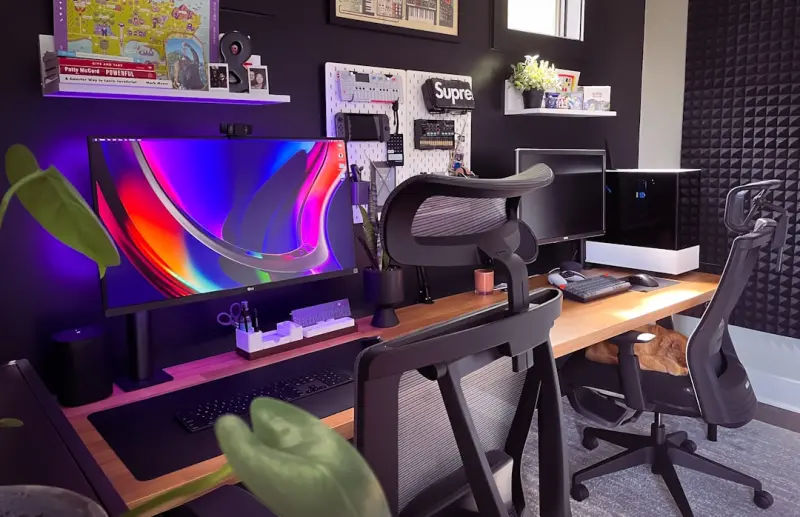
Smart Home Office Makeover: Boost Productivity Without Breaking the Bank
Discover budget‑friendly ways to upgrade your home office, from lighting and temperature hacks to ... Read More

Crafting a Home Wellness Nook That Feeds Body and Soul
A step‑by‑step guide to building a home wellness nook that balances light, scent, sound, and tex... Read More

The Low‑Tech Revamp: Turning Every Room into a Calm, Productive Oasis
This guide shows how simple, low‑tech tweaks—like optimizing natural light, creating no‑screen... Read More
Top Posts
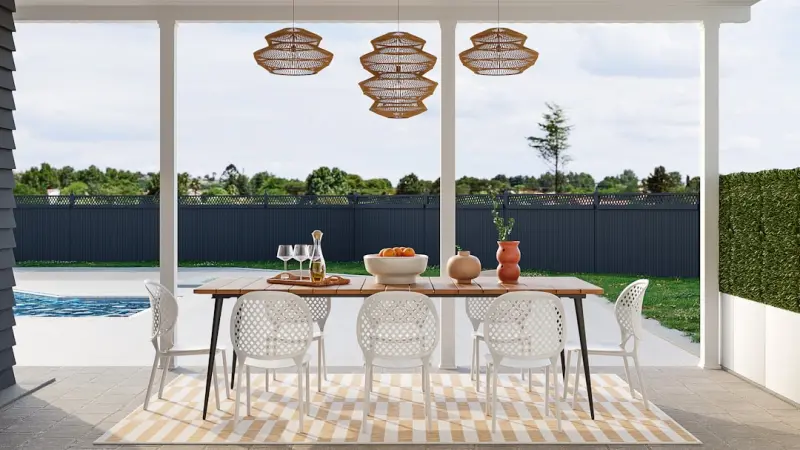
Creating a Low‑Maintenance Outdoor Living Room with Reclaimed Materials
Discover practical steps to transform a neglected yard into a low‑maintenance outdoor living room using reclaimed wood, native plants, and simple tech, creati...Read More

Redefining Your Front Door: Transform the Entryway Into a Calm Launchpad
A thoughtful entryway can set the tone for your entire home. Learn how to declutter, add subtle lighting, smart storage, and calming rituals to create a welcomi...Read More

Tiny Bursts, Big Gains: Harnessing Micro‑Movement for Everyday Health
Learn how adding brief, purposeful movements to daily routines can transform energy, focus, and well‑being—no equipment or extra time required....Read More

Why My Garden Desk Became the Heartbeat of Home Living
A garden desk turned my backyard into a thriving creative hub, where sunlight fuels focus, nature sparks ideas, and every task feels like a breath of fresh air....Read More
0 Comments
Post Comment
You will need to Login or Register to comment on this post!