
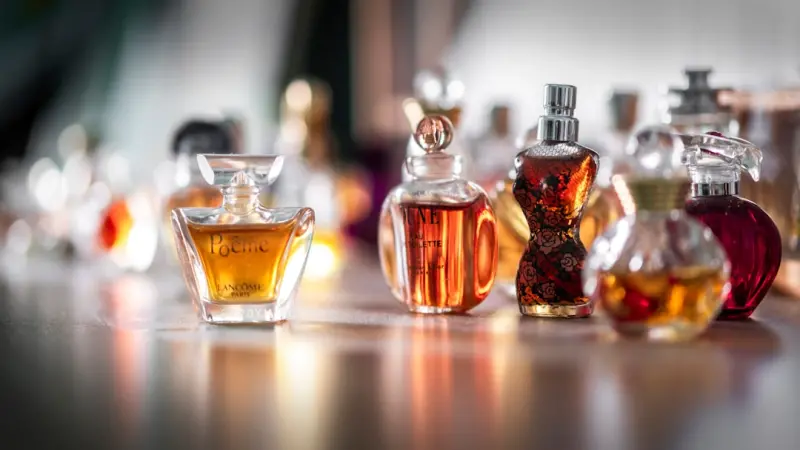
Imagine stepping into a room and instantly feeling a wave of calm wash over you, or catching a whiff of citrus that snaps you into alertness like a mental espresso shot. That isn’t magic—it’s the subtle, science‑backed power of scent. In the bustling world of personal care, fragrance often gets relegated to the background, a finishing touch on a product line. Yet, for many of us, the right aroma can be the missing link between a scattered day and a focused, grounded one. In this post, I’ll peel back the layers of olfactory influence, explore how personal fragrance can become a deliberate tool for mood regulation, productivity, and holistic well‑being, and share practical, sustainable ways to weave scent into your daily routine.
Why Scent Matters More Than You Think
Our sense of smell is the oldest of the five senses, wired directly to the limbic system—the brain region that governs emotions, memory, and motivation. Unlike visual or auditory stimuli, which travel through a series of processing steps, scent bypasses the neocortex and lands straight in the emotional hub. This shortcut explains why a single whiff can conjure a vivid memory of grandma’s kitchen or instantly calm nerves before a big presentation.
Research shows that specific essential oils and fragrance compounds can influence physiological markers: lavender and chamomile have been linked to reduced cortisol levels, while peppermint and rosemary can enhance alertness and short‑term memory. When you choose a fragrance deliberately, you’re not just masking odors—you’re engaging a neurochemical pathway that can shape how you feel and perform.
From Mood‑Boosting to Focus‑Enhancing: Matching Scents to Intent
Just as you wouldn’t wear a heavy perfume to a gym session, the key to effective scent‑based personal care lies in aligning the fragrance profile with your intended outcome. Below is a quick guide to help you select the right aromatic ally for different moments of the day:
- Morning Energizer: Citrus blends (orange, grapefruit, lemon) stimulate the sympathetic nervous system, promoting wakefulness. A light spritz on your pulse points can act as a natural caffeine alternative.
- Midday Focus: Peppermint, rosemary, and eucalyptus sharpen concentration. Incorporate these into a subtle roll‑on or a scented desk diffuser to keep your brain in “flow” mode.
- Stress Relief: Lavender, bergamot, and ylang‑ylang lower heart rate and blood pressure. A calming roll‑on on the wrists can be a discreet reset button during high‑stress meetings.
- Evening Wind‑Down: Vanilla, sandalwood, and patchouli have grounding properties that signal your body it’s time to unwind. Use them in a bedtime mist to cue your sleep architecture.
When you pair a scent with a specific routine, you create a Pavlovian cue that your brain learns to associate with the desired state—making it easier to slip into focus or relaxation without a mental tug-of-war.
Crafting a Personal Fragrance Routine That Feels Authentic
Authenticity is the cornerstone of any personal care practice. Below is a step‑by‑step framework to design a fragrance routine that reflects your personality, values, and lifestyle:
- Identify Your Signature Mood Goals: Write down the top three emotional states you want to support—e.g., confidence, calm, clarity.
- Choose Scents That Align: Use the guide above to shortlist aromas that correspond with each goal.
- Test for Skin Compatibility: Fragrance interacts with body chemistry; what smells sweet on one person may turn sour on another. Perform a patch test on the inner forearm for 24 hours.
- Consider Sustainable Sources: Opt for naturally derived, ethically sourced essential oils or fragrance lines that prioritize biodiversity. This not only reduces environmental impact but also ensures a cleaner olfactory experience.
- Integrate Into Existing Rituals: Apply your scent after showering, before a work session, or during a meditation practice. Consistency cements the scent‑state association.
- Iterate and Refine: Your preferences will evolve. Keep a fragrance journal to note which blends work best in different contexts.
By treating scent as a functional ingredient rather than a decorative afterthought, you turn everyday grooming into an intentional act of self‑optimization.
Scent Meets Technology: When Machines Listen to Your Olfactory Preferences
In the era of smart homes, the line between personal care and tech is blurring. Devices can now detect ambient scents and adjust them in real time, creating a dynamic environment that responds to your needs. For instance, an AI‑powered diffuser can learn that you reach for a peppermint roll‑on during afternoon meetings and automatically release a subtle burst of peppermint in your workspace. This emotional intelligence in AI not only supports focus but also reduces the cognitive load of remembering to refresh your scent.
Imagine a scenario where your home office senses a dip in your heart rate—an early sign of stress—and gently diffuses lavender to pre‑empt a full‑blown anxiety episode. The technology is still emerging, but early adopters are already reporting measurable improvements in mood regulation and productivity. If you’re a remote worker, this intersection of scent and AI could become a silent productivity partner, subtly aligning your environment with your mental state without you having to lift a finger.
Designing Scent‑Friendly Spaces at Home and Work
The physical environment amplifies the impact of personal fragrance. A cluttered, noisy space can drown out the benefits of a carefully chosen scent. By creating focus‑friendly zones, you set the stage for olfactory cues to work their magic. Here’s how to design these pockets:
- Dedicated Scent Station: Choose a small, well‑ventilated corner for a diffuser, scented candles, or a fragrance roll‑on holder. Keep it free of competing smells like strong cooking odors.
- Material Matters: Soft, natural textures (cotton, linen) hold scent longer than synthetic fabrics. Consider swapping out plastic desk mats for cork or bamboo.
- Acoustic Harmony: Pair calming scents with low‑frequency soundscapes—like a gentle rain or soft instrumental music—to reinforce the relaxation response.
- Visual Simplicity: Minimalist décor reduces visual noise, allowing the scent to become the primary sensory cue.
When you align visual, auditory, and olfactory elements, you create a multi‑sensory environment that supports the brain’s natural propensity for pattern recognition, making it easier to slip into the desired mental state.
Nature’s Palette: Borrowing From the Sensory Garden
Plants are nature’s original fragrance dispensers. A sensory garden can serve as an outdoor extension of your personal fragrance strategy. Incorporating herbs like mint, rosemary, and lavender not only beautifies your space but also provides fresh, therapeutic aromatics that you can harvest and apply directly to skin or clothing.
Even if you don’t have a backyard, a windowsill herb garden or a few potted aromatic plants on your balcony can be a source of real‑time scent customization. The act of caring for these plants—watering, pruning, inhaling their fragrance—adds a mindful ritual element that deepens the emotional connection to the scent.
Mindful Application: Making Fragrance a Ritual, Not a Spray
Applying fragrance can become a mindfulness practice when you slow down and focus on the sensations. Here’s a simple technique to transform a routine spritz into a grounding moment:
- Close your eyes and take three deep breaths, inhaling through the nose to activate the olfactory receptors.
- Hold the fragrance bottle a few inches from your skin; feel the mist as it lands.
- Pause and notice the first impression—does it feel bright, soothing, or invigorating?
- Take a second, deeper inhale, allowing the scent to mingle with your natural body chemistry.
- Set an intention for the rest of the day (e.g., “I will stay calm under pressure”).
This brief pause turns a mundane act into a purposeful cue, reinforcing the brain’s association between scent and mental state.
Choosing Sustainable and Skin‑Safe Fragrances
Many commercial perfumes rely on synthetic aroma chemicals that can cause skin irritation or contribute to environmental pollution. To keep your fragrance routine both effective and ethical, consider the following criteria when selecting products:
- Ingredient Transparency: Look for brands that disclose the full composition of their fragrance blends.
- Organic Certification: Certified organic essential oils reduce exposure to pesticides and heavy metals.
- Low‑Impact Packaging: Refillable bottles, glass containers, and recyclable materials minimize waste.
- Allergen Awareness: Avoid known allergens like limonene or linalool if you have sensitivities; opt for hypoallergenic blends.
Investing in higher‑quality, sustainable fragrance options not only protects your skin but also aligns your personal care routine with broader environmental stewardship values.
Integrating Fragrance With Other Self‑Care Practices
Scent doesn’t have to stand alone; it can amplify the benefits of other personal care habits:
- Yoga and Meditation: Diffuse calming scents like frankincense during practice to deepen relaxation.
- Exercise: A light spritz of citrus before a workout can boost motivation and perceived exertion.
- Digital Detox: Pair a no‑screen hour with a warm sandalwood candle to signal your brain that it’s time to unwind.
- Sleep Hygiene: Use a lavender pillow spray to cue melatonin production and improve sleep latency.
When fragrance is woven into these complementary routines, the cumulative effect can be a more cohesive, harmonious personal care ecosystem.
Case Study: A Week of Scent‑Guided Productivity
To illustrate the practical impact, I ran a personal experiment for one week, aligning specific scents with my daily agenda:
| Day | Goal | Scent | Outcome |
|---|---|---|---|
| Monday | Project kickoff meeting | Peppermint roll‑on | Felt alert and articulate; received positive feedback on presentation. |
| Tuesday | Deep work block | Rosemary diffuser | Maintained focus for 90 minutes without distraction. |
| Wednesday | Client calls | Citrus mist | Energy remained high; no mid‑day slump. |
| Thursday | Stressful deadline | Lavender hand cream | Reduced tension in shoulders; quicker recovery after intense sessions. |
| Friday | Wrap‑up and reflection | Vanilla candle | Felt calm and satisfied, facilitating a thorough debrief. |
The experiment reinforced that intentional scent use can act as a subtle yet powerful lever for mood and productivity. While individual results will vary, the pattern suggests that even low‑dose aromatic cues can shift subjective experience in measurable ways.
Getting Started: Your First Scent‑Infused Routine
If you’re ready to explore the world of functional fragrance, here’s a starter kit you can assemble in under an hour:
- Essential Oil Blend: 5 drops each of peppermint and rosemary in a 10 ml roller bottle mixed with a carrier oil (e.g., jojoba).
- Calming Mist: 10 ml spray bottle with distilled water, a few drops of lavender, and a teaspoon of glycerin for longevity.
- Desk Diffuser: A small ultrasonic diffuser paired with a eucalyptus oil cartridge.
- Herb Pot: A small pot of fresh mint placed near a sunny windowsill for easy access.
Begin by applying the peppermint‑rosemary roller to your pulse points before your first deep‑work session, switch to the calming lavender mist before lunch, and let the eucalyptus diffuser run during the afternoon slump. Within a few days, you’ll likely notice a subtle shift in how quickly you settle into each activity.
Conclusion: Embrace Scent as a Personal Care Superpower
Personal care isn’t just about cleansing or moisturizing; it’s about curating an environment—both internal and external—that supports your best self. By treating fragrance as a functional tool, you unlock a low‑cost, low‑effort superpower that can enhance mood, sharpen focus, and deepen relaxation. Pairing scent with mindful rituals, sustainable choices, and technology‑enabled environments amplifies its impact, turning a simple spritz into a strategic advantage in both personal and professional realms.
So next time you reach for your deodorant or perfume, pause and consider: What state am I inviting into my day? Choose a scent that aligns with that intention, and let your nose become the quiet conductor of your well‑being orchestra.

Amanda is a passionate writer exploring a kaleidoscope of topics from lifestyle to travel and everything in between.
Related Posts
The Future of Personal Care: Bio‑Smart Grooming in a Hyper‑Connected World
A deep dive into how data‑driven devices, microbiome‑focused formulas, and clutter‑free groomi... Read More
Zero-Waste Personal Care: A Practical Guide to Sustainable Routines
A step‑by‑step guide to adopting a zero‑waste personal care routine, featuring essential swaps... Read More
Sensory Upgrade: Transforming Personal Care into a Multi‑Dimensional Ritual
Discover a fresh approach to personal care by integrating visual, auditory, olfactory, tactile, and ... Read More
Top Posts

The Art of Curated Micro‑Adventures: Turning Everyday Spaces into Mini‑Explorations
Explore the concept of micro‑adventures—short, intentional outings that turn ordinary spaces into unforgettable experiences—while learning practical tools...Read More

When Machines Meet Sustainability: AI’s Role in Building a Circular Future
AI is shifting from speed‑focused automation to a catalyst for sustainable innovation, enabling circular product design, greener supply chains, and ethical au...Read More
Garden Desk Revolution: How Outdoor Workspaces Are Transforming Home Life
Explore the rise of garden desks and learn how turning your backyard into a productive oasis can boost creativity, well‑being, and home value....Read More

Why Laughter Really Is the Best Medicine for Modern Minds
A deep dive into the science behind laughter’s mental‑health benefits, practical ways to make humor a daily habit, and how to blend laughter with technology...Read More
0 Comments
Post Comment
You will need to Login or Register to comment on this post!