
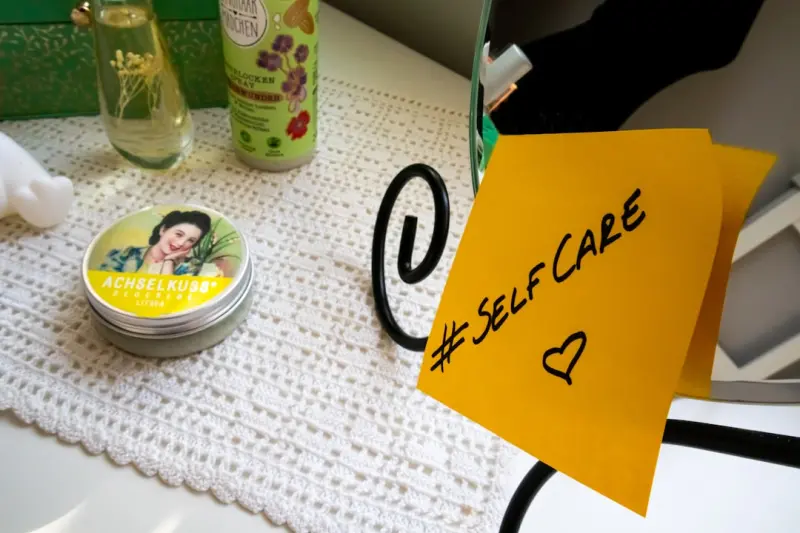
When I first stepped out of the shower and stared at my reflection, I realized the ritual I was performing each morning was more than a routine—it was a conversation with myself. Over the years, I’ve learned that personal care isn’t just about looking good; it’s a science, a habit, and a quiet act of self‑respect that can shape how we show up in every other arena of life. In this piece, I’m pulling back the curtain on the small, evidence‑based practices that can transform a mundane wash‑up into a powerhouse of confidence and well‑being.
The Anatomy of a Personal Care Ritual
Think of your daily grooming routine as a mini‑experiment you run on your own body. Each step—whether it’s a splash of water, a dab of moisturizer, or a mindful pause—generates data about what makes you feel energized, calm, or focused. By treating the routine as a series of intentional variables, you can fine‑tune it for optimal results.
- Preparation: The moment you turn the faucet on, you’re setting a tone. Warm water opens pores, but a sudden shock of cold can trigger the “fight‑or‑flight” response that actually sharpens alertness.
- Cleaning: Choosing the right cleanser is about matching pH levels. A product that’s too alkaline can strip natural oils, while an overly acidic formula may irritate sensitive skin.
- Nourishment: Serums, moisturizers, and oils are the nutrients you feed your skin. Look for ingredients backed by dermatological research—like niacinamide for barrier repair or ceramides for hydration retention.
- Mindful Pause: The brief interval after you’ve finished washing is the perfect window for a mental reset. A few seconds of focused breathing, or simply feeling the texture of the towel, grounds the experience.
By mapping these elements, you create a blueprint that can be iterated upon—just like you would with any professional project.
Science‑Backed Swaps That Elevate Everyday Care
Below are three low‑maintenance adjustments that deliver outsized benefits. They’re easy to adopt, require minimal extra time, and are rooted in peer‑reviewed research.
- Swap Conventional Towels for Microfiber: Microfiber fabrics trap moisture more efficiently, reducing the need for aggressive rubbing that can damage the skin’s lipid barrier.
- Incorporate a Short breathwork basics Session: Even a 30‑second diaphragmatic breath can lower cortisol and improve circulation to the face, giving a subtle, healthy glow.
- Use homegrown ingredients in Your Skincare: Fresh cucumber juice, aloe vera gel, or calendula tincture applied after cleansing can provide antioxidants without synthetic preservatives.
These swaps don’t require a complete overhaul—just a willingness to experiment and observe the results.
Designing a Personal Care Space That Works For You
The environment you use for grooming can either amplify or dampen the benefits of the products you apply. A cluttered countertop or harsh lighting can create visual noise that distracts you from the subtle sensations you’re trying to cultivate.
Here are three design principles to consider:
- Simplify the Layout: Keep only the essentials—cleanser, moisturizer, and a glass of water—visible. Store secondary items in drawers or a small caddy to maintain a clean visual field.
- Introduce Natural Light: Sunlight helps regulate circadian rhythms, which in turn influences skin turnover. If natural light isn’t an option, opt for full‑spectrum LED bulbs that mimic daylight.
- Infuse a Touch of Nature: Adding a small garden sanctuary—even a potted herb or a tiny stone water feature—can lower stress hormones and make the routine feel more restorative.
When the space itself feels calming, you’re more likely to linger a moment longer, allowing the products you’ve chosen to truly sink in.
The Role of Temperature: Hot, Warm, Cold—When to Use What
Temperature isn’t just a comfort factor; it’s a lever you can pull to trigger specific physiological responses.
- Hot Water (105‑110°F): Ideal for the first minute of washing to open pores and soften sebum. This makes it easier for cleansers to dissolve oils without excessive scrubbing.
- Warm Water (90‑95°F): Best for the bulk of the rinse, it maintains comfort while preventing the skin’s natural oils from evaporating too quickly.
- Cold Rinse (50‑60°F): A quick splash at the end of the routine constricts blood vessels, reduces puffiness, and locks in moisture. It also triggers a mild “fight‑or‑flight” boost that can increase alertness for the day ahead.
Switching between these temperatures creates a micro‑circulation workout for the skin, akin to a facial massage but without the cost of a professional treatment.
Ingredient Spotlights: What to Look For and What to Skip
Not all “natural” labels are created equal. Below is a quick guide to ingredients that have consistently demonstrated efficacy in clinical studies.
| Ingredient | Benefit | Why It Works |
|---|---|---|
| Niacinamide (Vitamin B3) | Barrier reinforcement, brightening | Improves lipid synthesis and reduces inflammation. |
| Ceramides | Long‑lasting hydration | Mimic skin’s own lipids, preventing transepidermal water loss. |
| Hyaluronic Acid (Low‑MW) | Deep hydration | Penetrates the epidermis, attracting up to 1,000x its weight in water. |
| Green Tea Extract | Antioxidant protection | Contains EGCG, which neutralizes free radicals and soothes redness. |
| Retinol (Vitamin A) | Cell turnover | Stimulates collagen production and reduces fine lines. |
Avoid broad terms like “herbal blend” or “plant extract” without specifying the active component, as those can be marketing fluff that doesn’t guarantee results.
Mindful Moments: Turning Routine Into Ritual
One of the most powerful ways to upgrade personal care is to embed a mindful cue into each step. This could be as simple as silently naming the texture you’re feeling—“smooth”, “cool”, “silky”—or as involved as a five‑minute guided visualization of skin health.
Research shows that pairing tactile sensations with verbal affirmation can boost the brain’s reward circuitry, making the habit more likely to stick. For example, after applying a moisturizer, repeat silently, “I am nurturing my skin, I am nurturing myself.” Over time, the phrase becomes a mental trigger that reinforces positive self‑image.
Integrating Personal Care With Overall Well‑Being
Personal care doesn’t exist in a vacuum. Its benefits are amplified when aligned with broader health practices:
- Hydration: Drinking water throughout the day supports dermal elasticity. Aim for at least half a liter per two hours of waking time.
- Nutrition: Foods rich in omega‑3 fatty acids—like salmon, chia seeds, and walnuts—provide building blocks for healthy skin.
- Sleep: During REM cycles, the body ramps up collagen synthesis. A consistent sleep schedule is as crucial as a nightly serum.
- Movement: Light stretching or a short walk after your grooming routine can increase circulation, helping nutrients reach skin cells more efficiently.
When you view your morning or evening grooming as the hub of a larger health network, every action feels purposeful.
Tracking Progress Without Obsession
Just as you might log key performance indicators at work, a simple tracking method can help you see the impact of your personal care tweaks. Use a small notebook or a notes app to record:
- Date and time of routine.
- Products used and any ingredient changes.
- Temperature of water.
- Subjective feelings (e.g., “skin feels hydrated”, “energy level high”).
- Any visible changes after a week (e.g., reduced redness, smoother texture).
Review these entries every two weeks. Look for patterns—maybe a particular moisturizer works better after a cold rinse, or a certain scent improves mood. The goal isn’t to become a data‑driven dermatologist; it’s to give yourself a feedback loop that encourages continuous improvement.
Wrapping Up: The Power of Consistency Over Perfection
There’s a temptation to chase the next “miracle product” or to overhaul your routine every few months. The truth, however, is that lasting benefits come from consistent, science‑backed practices that you can sustain for the long haul. By treating personal care as a blend of ritual, environment, and evidence, you create a foundation that not only enhances how you look but also how you feel in every other part of your life.
So the next time you step in front of the mirror, pause. Feel the water, notice the scent of your cleanser, and give yourself a moment of gratitude. That brief connection is the secret sauce that turns a simple daily task into a powerful act of self‑care.

Tyler Johnson is a seasoned freelance writer with a keen eye for detail and a passion for crafting compelling narratives. His years of experience have honed his ability to adapt his style to suit diverse client needs and project requirements.
Related Posts

Ink & Intention: How Journaling Elevates Personal Care
A reflective look at how daily journaling can become the missing link in your personal care routine,... Read More
Fermented Skincare: Harnessing the Gut‑Skin Axis for Natural Radiance
Explore the gut‑skin connection and learn simple fermented food recipes, DIY toners, and micro‑g... Read More

Crafting a Daily At‑Home Spa: A Blueprint for Creative Calm
Discover a step‑by‑step guide to creating a calming at‑home spa that blends light, scent, soun... Read More
Top Posts

Pocket Gardens: Transform Tiny Spaces into Lush Retreats
Pocket gardens turn modest nooks into vibrant retreats, offering mental health benefits, fresh herbs, and sustainable style—all in a compact, budget‑friendl...Read More

The Unwritten Rules That Turn an Ordinary Job into a Career Magnet
Learn how to craft a personal narrative, negotiate pay with facts, and build internal networks that make you the go‑to professional in any organization....Read More

Empowering Employees to Design Their Own Career Pathways
A fresh look at employee‑designed career pathways reveals how transparent skill taxonomies, AI insights, and peer learning can turn a static workforce into a ...Read More

Playful Creativity: A Simple Antidote to Burnout
A practical guide to using playful creativity as a daily mental health boost, with actionable steps, science-backed benefits, and ways to embed it into remote a...Read More
0 Comments
Post Comment
You will need to Login or Register to comment on this post!