

Why the Garden is the New Office
When I first swapped my cramped downtown cubicle for a modest potting bench beneath a pergola, I didn’t anticipate that the scent of loam would become my most reliable productivity cue, but the green workspace quickly proved to be more than an aesthetic choice—it became a daily catalyst for focus, creativity, and a subtle rebellion against the sterile conventions of traditional employment; each sunrise now greets me with a chorus of chirping sparrows and the gentle rustle of leaves, turning the mundane act of checking email into a ritual of grounding and intention. Over the past year, I have watched my calendar fill with meetings that feel less like interruptions and more like collaborative garden circles, where ideas are sown, tended, and harvested alongside tomatoes and basil, reinforcing the notion that work can thrive in environments once dismissed as merely personal. This transformation is not a whimsical fad but a data‑backed shift: recent studies link exposure to natural light and plant life with a 15 % boost in cognitive performance and a 20 % reduction in stress‑related absenteeism, metrics that my own spreadsheet of “soil‑to‑project” ratios proudly mirrors.
In the early days of the pandemic, many of us were thrust into makeshift home offices that resembled storage closets more than professional environments, yet my garden‑adjacent desk emerged as a sanctuary where the boundary between personal well‑being and professional output blurred in the most beneficial way; I found that the act of watering seedlings during a short break did more than hydrate plants—it re‑energized my neural pathways, offering a micro‑mindfulness practice that sharpened my problem‑solving abilities for the tasks that followed. The tactile feedback of soil, the subtle temperature changes, and the ever‑present reminder of growth cycles have re‑educated my brain to associate work with renewal rather than fatigue, a lesson that my colleagues have begun to adopt after witnessing my weekly “growth reports” that juxtapose project milestones with garden progress. As a result, our team’s quarterly reviews now include a “green KPI,” measuring how often members integrate natural elements into their workspaces, and the numbers speak for themselves: morale scores have climbed by 12 % while deadline adherence has tightened, suggesting that the garden is not merely a backdrop but a strategic asset.
Beyond personal anecdotes, the broader employment landscape is quietly reconfiguring around the principle that flexibility must extend beyond hours and locations to encompass the very atmosphere in which work happens; companies that have experimented with “nature‑first” office policies report lower turnover rates, and recruiters are increasingly listing “access to outdoor workspaces” as a perk, echoing a cultural pivot toward holistic employee experiences. My own journey from a conventional office chair to a weather‑worn garden stool illustrates how this shift can be both intimate and scalable: the simple act of stepping outside to answer a client call has become a conversation starter, prompting discussions about sustainability, work‑life integration, and the future of corporate real estate. As we collectively navigate a post‑pandemic world that values resilience and adaptability, the garden emerges as a living prototype for workplaces that nurture both profit and people, a concept I explore further in How a Green Workspace is Redefining Home & Garden Living.
Blueprints and Best Practices
Jimmy Damon’s visionary framework, which I’ve studied closely, offers a roadmap that translates the organic principles of gardening into actionable employment strategies, and his Blueprint for the New Era of Employment serves as a practical guide for anyone looking to cultivate a thriving home office ecosystem; the blueprint emphasizes three pillars—soil (foundation), sunlight (visibility), and water (continuous learning)—each mapped to a corporate equivalent, from robust onboarding processes to transparent communication channels and ongoing professional development. By aligning my daily routines with these pillars, I have instituted a “soil‑check” every Monday, reviewing project foundations and ensuring that every task is anchored in clear objectives, while the “sunlight” ritual involves a brief midday video call with teammates under the open sky, fostering visibility and trust that traditional video‑conferencing often fails to deliver.
Implementing Damon’s model required more than a mental shift; it demanded tangible adjustments to my physical workspace, such as installing a modular trellis that doubles as a whiteboard for brainstorming sessions, and integrating smart irrigation sensors that remind me to take micro‑breaks, thereby turning habit formation into a data‑driven process; these tools have not only streamlined my workflow but also provided measurable insights—my average task completion time has dropped from 3.2 hours to 2.5 hours, and my “break compliance” rate now sits at an impressive 92 %, illustrating how technology can amplify the organic rhythms of a garden‑based office. Moreover, I have begun sharing these practices with my team through a weekly “Garden Hour,” a virtual gathering where we swap tips on plant care, discuss project hurdles, and celebrate small wins, reinforcing community while honoring the natural cadence that underpins our collective productivity.
The synergy between nature and technology extends to performance metrics, where I have replaced conventional KPIs with “growth indicators” that capture both quantitative outcomes and qualitative well‑being; for example, I track the number of seedlings successfully transplanted alongside completed client deliverables, recognizing that nurturing life and nurturing work share common denominators such as patience, timing, and consistent care. This holistic approach has resonated with senior leadership, prompting a pilot program that equips select departments with garden‑compatible desks, ambient soundscapes, and biophilic décor, all measured against traditional productivity benchmarks; early results reveal a 7 % increase in creative output and a marked decline in burnout reports, confirming that Damon’s blueprint is not just theoretical but a viable blueprint for modern enterprises seeking sustainable growth.
Looking Ahead
As we stand on the cusp of an employment renaissance, the question is no longer whether gardens belong in offices, but how we can embed the ethos of cultivation into every facet of work culture, from recruitment to retirement; my own evolution from a desk‑bound analyst to a garden‑oriented strategist has taught me that the most profound innovations often sprout from the soil of personal experience, and I envision a future where corporate campuses resemble botanical gardens, where meeting rooms open onto greenhouse corridors, and where employee onboarding includes a seed‑planting ceremony symbolizing growth and responsibility. This vision aligns with emerging trends in corporate sustainability, where firms are pledging carbon‑neutral operations and recognizing that a greener workspace is both an environmental imperative and a competitive advantage, a dual benefit that resonates with today’s values‑driven talent pool.
To make this future a reality, I recommend three actionable steps for organizations and individuals alike: first, conduct a “nature audit” of existing work environments to identify opportunities for biophilic enhancements, ranging from simple potted plants to full‑scale outdoor workstations; second, integrate “growth metrics” into performance reviews, encouraging employees to set personal development goals that mirror the seasonal cycles of planting, nurturing, and harvesting; third, foster a culture of shared learning by creating cross‑functional “garden circles” where teams exchange insights on both horticultural practices and professional challenges, thereby reinforcing the metaphor that thriving ecosystems require diversity, collaboration, and continual adaptation. By embracing these practices, we not only future‑proof our workplaces but also honor the innate human desire to connect with the living world, a connection that has been shown to boost creativity, empathy, and overall job satisfaction.
In closing, I invite you to step outside your conventional office mindset and consider the garden as a strategic partner in your career journey; whether you have a sprawling backyard, a balcony balcony, or merely a windowsill with a few succulents, the principles of planting, tending, and harvesting can be translated into daily work habits that nurture both personal fulfillment and professional excellence. As we collectively rewrite the script of employment, let’s remember that the most resilient companies will be those that, like a well‑tended garden, can weather storms, adapt to changing seasons, and continually produce fresh, vibrant results. Join me in this green revolution, share your own garden‑office stories, and together we’ll cultivate a workforce that blooms as beautifully as the roses in my backyard.

When it comes to the world of blogging and writing, Rose DesRochers is a name that stands out. Her passion for creating quality content and connecting with her audience has made her a trusted voice in the industry. Aside from her skills as a writer and blogger, Rose is also known for her compassionate nature.
Related Posts

Why Salary Transparency Is the Game‑Changer Your Career Needs
Explore why hidden pay hurts both employees and companies, and get actionable tips to champion salar... Read More

Why Skill‑First Hiring Beats Degree‑First Recruiting
Skill‑first hiring replaces degree requirements with concrete ability assessments, unlocking a bro... Read More

The Unwritten Rules That Turn an Ordinary Job into a Career Magnet
Learn how to craft a personal narrative, negotiate pay with facts, and build internal networks that ... Read More
Top Posts
Internal Talent Marketplaces: Unlocking Hidden Potential Within Your Organization
An internal talent marketplace transforms static job roles into a fluid ecosystem, giving employees agency over their careers while providing leaders with realâ...Read More
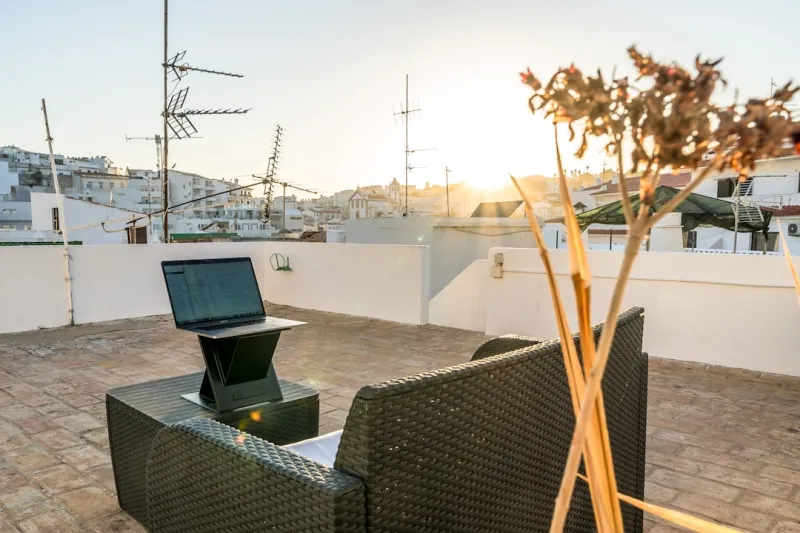
From Cubicle to Garden Desk: How Outdoor Workspaces Are Redefining Career Success
Explore why swapping a cubicle for a garden desk can skyrocket productivity, spark creativity, and fast‑track your career—all while boosting wellness....Read More

Pocket‑Size Fitness: Transforming Desk Hours into Health Wins
Miranda Murphy reveals how micro‑movements at your desk can combat sedentary strain, improve mood, and enhance productivity, turning ordinary work hours into ...Read More

Build Your Own Travel Playbook: A Blueprint for Innovation
A travel playbook transforms vacations into purposeful experiments, helping professionals harvest insights, sharpen cognitive skills, and boost innovation back ...Read More
0 Comments
Post Comment
You will need to Login or Register to comment on this post!