
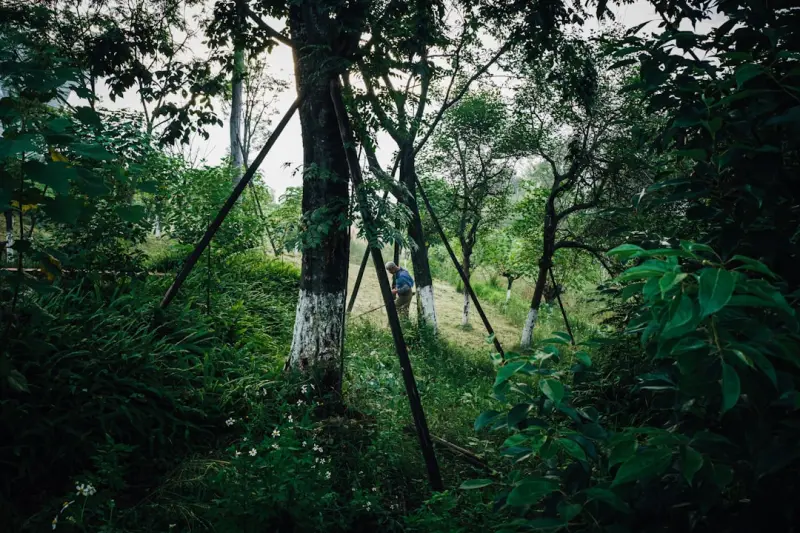
Urban Forest Bathing: Reclaiming Calm in the Concrete Jungle
When the city’s pulse feels relentless, the instinct to retreat to a quiet park can feel like a luxury reserved for the weekend. What if you could weave the therapeutic power of forest bathing into the very fabric of your daily routine? This isn’t about planning a weekend trek to a remote woodland; it’s about harnessing nature’s subtle chemistry right where you live and work.
Forest bathing—or shinrin‑yoku as the Japanese call it—has been studied for decades, revealing measurable drops in cortisol, lower blood pressure, and a boost in immune function. Yet most of the research is rooted in sprawling, untouched forests. The challenge for busy professionals is translating those findings into a bustling urban environment without sacrificing credibility or results.
Why Urban Forest Bathing Works
Science tells us that the benefits of forest bathing stem from three core mechanisms:
- Phytoncides: Volatile organic compounds released by trees that enhance natural killer (NK) cell activity.
- Visual Complexity: The fractal patterns of leaves and branches gently stimulate the brain, lowering mental fatigue.
- Auditory Softness: The rustle of foliage and distant bird song create a soundscape that reduces sympathetic nervous system arousal.
Even a city park, a street‑lined boulevard of mature oaks, or a rooftop garden can deliver a meaningful dose of these elements. The key is intentionality—approaching the environment with the same mindful curiosity that a seasoned hiker would bring to a mountain trail.
Designing Your Personal Forest Bathing Blueprint
Below is a step‑by‑step framework that you can customize to fit a 9‑to‑5 schedule, a remote work setup, or a hybrid model.
- Scout Your Green Assets – Identify the green spaces within a 15‑minute walk from your home or office. This could be a municipal park, a university quad, a community garden, or even a tree‑lined alley.
- Map Micro‑Sessions – Schedule three 10‑minute “nature pauses” each day: morning, lunch, and late afternoon. Use a calendar reminder titled “Forest Reset.”
- Engage the Senses – During each session, consciously engage sight, sound, smell, and touch. Notice the texture of bark, the shade patterns, the scent of pine, and the cadence of wind‑blown leaves.
- Document the Experience – Keep a brief journal—just a line or two—about how you felt before and after. Over weeks, you’ll spot trends in mood, focus, and energy.
- Iterate and Expand – As the habit solidifies, extend one of the micro‑sessions to a 20‑minute stroll or pair it with a colleague for a “green networking” break.
Integrating Technology Without Diluting the Experience
In a world where every moment is quantified, a subtle infusion of tech can actually amplify the benefits—if you keep it in the background. Consider these tools:
- AI‑powered soundscapes that blend ambient city noise with curated forest sounds, creating a hybrid auditory environment when you’re indoors.
- Wearable HRV (heart rate variability) monitors that give you immediate feedback on how a session is affecting your nervous system.
- Simple mindfulness timers that prompt you to pause, breathe, and observe without scrolling on your phone.
Remember: the goal of technology here is to support the natural experience, not dominate it. A quick glance at your HRV after a walk can reinforce the habit, but the primary focus should remain on the trees, not the data.
Case Study: From Cubicle to Canopy
Meet Maya, a product manager at a fintech startup. Her typical day was a blur of back‑to‑back meetings, Slack pings, and a lunch that consisted of a desk‑side sandwich. After reading about the mental health crisis in high‑pressure roles, she decided to pilot a forest bathing habit.
She identified a nearby riverwalk lined with willows and set three daily alarms:
- 8:30 am – a 5‑minute walk from the office entrance to the riverbank.
- 12:30 pm – a lunch‑hour stroll along the same path, intentionally leaving her phone in her bag.
- 4:45 pm – a brief pause by a bench to close her eyes and listen to the water.
After four weeks, Maya reported a 30% reduction in perceived stress, a noticeable increase in creative ideas during brainstorming sessions, and even a modest improvement in her sleep quality. She attributes these gains to the consistent exposure to natural stimuli, which acted as a physiological “reset button” amid her demanding schedule.
Overcoming Common Barriers
It’s easy to anticipate objections—time constraints, weather, or a lack of nearby greenery. Here’s how to address them:
- Time: Even a 5‑minute pause can trigger the parasympathetic response. Think of it as a micro‑investment that pays dividends in productivity.
- Weather: Dress in layers and keep a compact umbrella on hand. In inclement weather, shift the focus to indoor plants; a well‑curated indoor garden can still emit phytoncides.
- Accessibility: If your building lacks a green space, partner with a local coworking hub that offers a rooftop garden or lobby greenery.
Synergy with Other Health Practices
Forest bathing isn’t a standalone remedy; it works best when woven together with complementary habits:
- Movement Minutes: Combine a brief stretch or yoga flow with your nature pause to activate both muscular and nervous systems.
- Mindful Breathing: Pair the walk with a simple 4‑7‑8 breathing pattern, deepening the relaxation response.
- Hydration Ritual: Carry a reusable water bottle; sipping water while observing a stream creates a literal and symbolic flow.
In fact, a recent post on why your desk needs a movement minute highlighted how brief physical activity spikes neuroplasticity. Adding a nature element compounds that effect, turning a simple stretch into a neuro‑immune boost.
Scaling Up: From Personal Practice to Team Culture
If an individual can reap measurable benefits, imagine the impact of a company‑wide forest bathing initiative. Here’s a starter kit for leaders:
- Leadership Buy‑In – Have executives share their own nature experiences to normalize the practice.
- Designated Green Zones – Convert underused rooftop spaces into mini‑forests with native trees, moss, and benches.
- Scheduled “Green Hours” – Allocate 30 minutes each week for teams to meet outdoors for brainstorming or casual catch‑ups.
- Metrics Dashboard – Track employee self‑reported stress levels, engagement scores, and absenteeism before and after implementation.
Such programs not only improve health outcomes but also foster collaboration and creativity—key drivers of business performance.
Integrating Micro‑Adventures for Extra Impact
To keep the habit fresh, consider sprinkling in micro‑adventures that push you slightly out of your comfort zone. A weekend “forest flash hike” at a nearby state park, a sunrise walk along a city river, or a night‑time lantern stroll can deepen your connection to nature and prevent the routine from feeling stale.
Conclusion: Nature as a Daily Operating System
Urban forest bathing reframes nature not as a retreat you “go to,” but as an operating system you run on every day. By embedding intentional, sensory‑rich pauses into your schedule, you tap into a centuries‑old health practice that aligns perfectly with modern productivity demands.
Start small, stay consistent, and watch the subtle shift from stress‑laden to serene unfold—one leaf at a time.

Ryan Stuart is a seasoned freelance features writer, editor, and professional photographer with a passion for exploring the world and capturing its beauty through words and images.
Related Posts

Laughter as Medicine: Boosting Heart Health and Mood
Explore the science behind laughter’s impact on heart health and stress reduction, and learn pract... Read More

Playful Prescriptions: How Fun Fuels Health and Performance
A fresh look at health shows that playful activities aren’t just child’s play—they’re powerf... Read More

Cold Water Immersion: Unlocking a Hidden Path to Peak Immunity
Cold water immersion may seem daunting, but its short, controlled exposure triggers a cascade of imm... Read More
Top Posts

AI as the Quiet Engine Driving Sustainable Business Growth
Discover how AI can quietly guide companies toward greener profits by balancing cost, emissions, and social impact—turning data chaos into actionable, sustain...Read More
When Setbacks Become Stepping Stones: A Compassionate Approach to Inner Strength
Discover a compassionate framework that transforms setbacks into opportunities for growth, using practical check‑ins, nighttime rituals, and community support...Read More
Playing with Possibility: How Creative Improvisation Boosts Mental Resilience
Explore the power of creative play to rewire your brain, reduce anxiety, and cultivate lasting mental resilience through simple, fun daily habits....Read More

Refillable Rituals: Redefining Personal Care for a Circular Future
A deep dive into how refillable containers, concentrated formulas, and mindful design are turning everyday grooming into a sustainable, sensory-rich ritual that...Read More
0 Comments
Post Comment
You will need to Login or Register to comment on this post!