
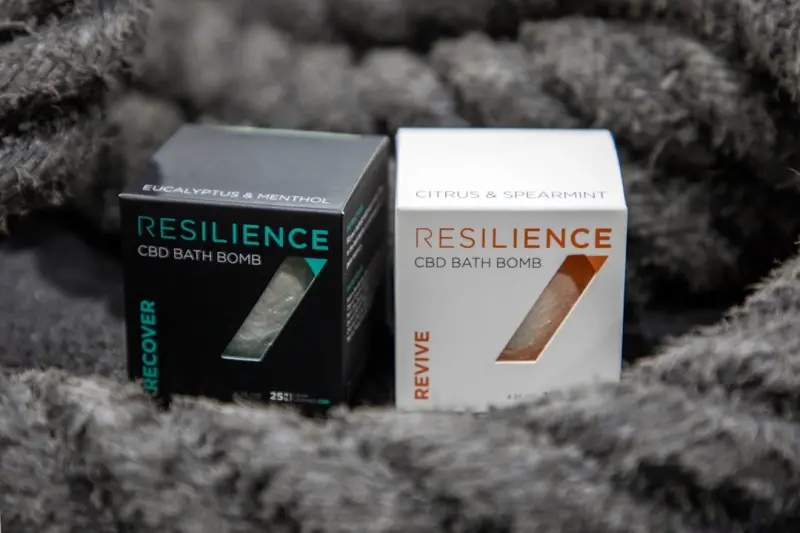
When I first walked into my bathroom this morning, the sink was a silent confession: a half‑empty bottle of shampoo, a plastic-wrapped toothbrush, and a handful of single‑use cotton pads that had seen better days. I realized I was living a personal‑care routine that was more about convenience than conscience. That moment sparked a deep dive into the world of zero‑waste personal care—a journey that’s as much about caring for our bodies as it is about caring for the planet.
Why Zero‑Waste Personal Care Matters
Most of us think of personal care as a daily ritual: wash, brush, moisturize, repeat. But hidden in those rituals are countless disposable items that end up in landfills, micro‑plastics that infiltrate our waterways, and chemicals that linger on our skin long after we’ve rinsed them away. By rethinking the very tools we use, we can dramatically cut down waste, reduce exposure to harmful ingredients, and even save a few bucks along the way.
The hidden cost of “convenient” products isn’t just environmental. Plastic packaging often leaches chemicals like BPA and phthalates, which can disrupt hormones. Single‑use cotton rounds are typically treated with chemicals that irritate sensitive skin. Even the “green” labels we trust can be misleading without transparency about sourcing and manufacturing.
Step‑by‑Step: Building a Zero‑Waste Bathroom
Transitioning doesn’t have to be an overnight overhaul. Below is a pragmatic, staged approach that lets you replace items at a pace that fits your lifestyle and budget.
- Audit Your Current Supplies – Walk through your bathroom and list every product, noting the packaging type and how often you use it. This audit reveals low‑hanging fruit: items you can eliminate or replace immediately.
- Swap to Refillable Containers – Many brands now offer glass or aluminum bottles you can refill with bulk liquids from stores or online refill stations. Look for shampoo, conditioner, body wash, and lotion in this format.
- Embrace Solid Alternatives – Bars of shampoo, conditioner, and soap cut out plastic containers entirely. Choose products free from sulfates and parabens for a gentler experience.
- Replace Disposables with Reusables – Switch cotton rounds for washable bamboo pads, and replace disposable razors with a safety razor and reusable blades.
- Invest in a Bamboo Toothbrush – It’s a small change, but the bristles are just as effective, and the handle biodegrades after a few years.
- Go Refillable for Oral Care – Some companies sell toothpaste tablets that you pop into a small glass jar with water, eliminating the tube entirely.
- DIY Personal Care – Simple recipes for sugar scrubs, deodorant, and facial masks can be made with pantry staples and stored in reusable glass jars.
Choosing Sustainable Ingredients
Zero‑waste isn’t just about packaging; it’s also about what’s inside the product. Opt for:
- Plant‑based oils (like jojoba, argan, or almond) for moisturizers.
- Essential oils for fragrance—just a few drops go a long way.
- Organic, certified‑free‑from‑pesticides botanical extracts.
- Minimalist formulas—the fewer ingredients, the lower the chance of irritation.
When you see a long ingredient list, ask yourself: “Is every component essential, or is it added for marketing flair?” The answer often leans toward the latter, especially in “luxury” products that rely on complex scent blends and synthetic stabilizers.
Integrating Zero‑Waste Into Your Daily Routine
Changing habits can feel daunting, but the key is to integrate new practices naturally. Here’s how I’ve woven sustainability into my morning and evening rituals:
- Morning – I start with a solid shampoo bar, which I lathers in my hands before applying to wet hair. The bar lasts months, and the soap‑free formula leaves my scalp feeling clean without stripping natural oils. I follow with a refillable conditioner in a glass bottle, shaking it gently before use.
- Midday Refresh – For a quick pick‑me‑up, I keep a travel‑size glass jar of a DIY deodorant made from coconut oil, baking soda, and a hint of lavender essential oil. No aerosols, no aluminum rolls.
- Evening – After a shower, I use a reusable bamboo pad to remove makeup, rinsing it in a dedicated bucket before washing it in the laundry. My facial routine now includes a gentle facial oil—just a few drops of rosehip seed oil—stored in a small amber dropper bottle that protects the oil from light.
These tweaks feel seamless because each replacement serves the same purpose as its disposable counterpart, often with added benefits like longer shelf life or superior skin compatibility.
Overcoming Common Challenges
Switching to a zero‑waste bathroom can surface a few obstacles. Here’s how to navigate them:
- Availability – Not every product is available locally. Look for online marketplaces that specialize in bulk or refillable goods, or join a local zero‑waste community group to share resources.
- Cost Concerns – While some upfront investments (e.g., a safety razor) can feel pricey, the long‑term savings from not buying disposable items quickly offset the initial spend.
- Convenience – Travel can be tricky. Pack a small reusable toiletry kit with travel‑size refillable containers and a compact solid shampoo bar, which can double as a body wash.
- Habits – Habit formation is easier when you pair new actions with existing cues. For example, place your reusable cotton pads next to your toothbrush; the visual cue reminds you to use them after brushing.
If you ever feel stuck, consider reading about layered sensory self‑care. It highlights how small, mindful adjustments can cascade into broader lifestyle shifts—exactly the mindset needed for sustainable personal care.
Zero‑Waste Personal Care and Mental Well‑Being
There’s a subtle, often overlooked psychological boost that comes from aligning your daily actions with your values. When you scrub away the grime of the day using a product you know is gentle on both your skin and the environment, you’re sending a message to yourself: “I care.” This affirmation can lower stress and increase a sense of agency.
In fact, pairing your zero‑waste routine with a few minutes of mindful breathing—something as simple as the techniques outlined in The Power of Breath—creates a ritual that grounds you both physically and mentally. The act of massaging a nourishing oil into your skin while focusing on your breath can transform a mundane task into a meditation.
Community Resources and Tools
Going solo is empowering, but community can accelerate the transition. Here are a few resources that have helped me and many others:
- Zero‑Waste Forums – Online boards where members share brand recommendations, DIY recipes, and refill station locations.
- Local Bulk Stores – Many cities now boast shops where you can bring your own containers to fill with shampoo, soap, or even toothpaste.
- Apps for Sustainable Shopping – Scan product barcodes to see packaging waste scores and discover greener alternatives.
- Workshops – Some community centers offer classes on making your own deodorant, toothpaste tablets, or bath salts.
Getting involved not only provides practical tips but also reinforces the habit loop: you see others making changes, you feel motivated to keep at it, and the collective impact grows exponentially.
Measuring Your Impact
Seeing tangible results can be a powerful motivator. I started tracking the number of plastic bottles I avoided each month. Within six months, I had eliminated roughly 30 single‑use containers. Over a year, that translates to a reduction of over 350 plastic bottles—equivalent to keeping a small car’s worth of plastic out of the ocean.
If you’re new to tracking, start simple: note the number of disposable items you replace weekly, then multiply by weeks in a year. You’ll be surprised at the cumulative effect.
Future‑Proofing Your Routine
The personal care landscape is evolving. Brands are increasingly offering refill stations, biodegradable packaging, and transparent ingredient sourcing. By adopting a zero‑waste mindset now, you’ll be prepared for upcoming innovations, and you’ll likely influence those brands to accelerate their sustainable offerings.
Remember, the goal isn’t perfection—it’s progress. Every reusable cotton pad, every refillable shampoo bottle, and every DIY mask you make is a step toward a cleaner planet and a healthier you.
So, the next time you stare at your bathroom mirror, ask yourself: “What can I replace today that respects both my skin and the Earth?” The answer is often simpler than you think, and the ripple effect is profound.

Shawn DesRochers is a certified Microsoft technician and Programmer with 30+ year's experience. He has written many reviews on computer related products, software, and SEO related topics. When he's not writing reviews he can be found at one of the Oldest Directories Online Blogging Fusion Business Directory which he is the CEO of.
Related Posts
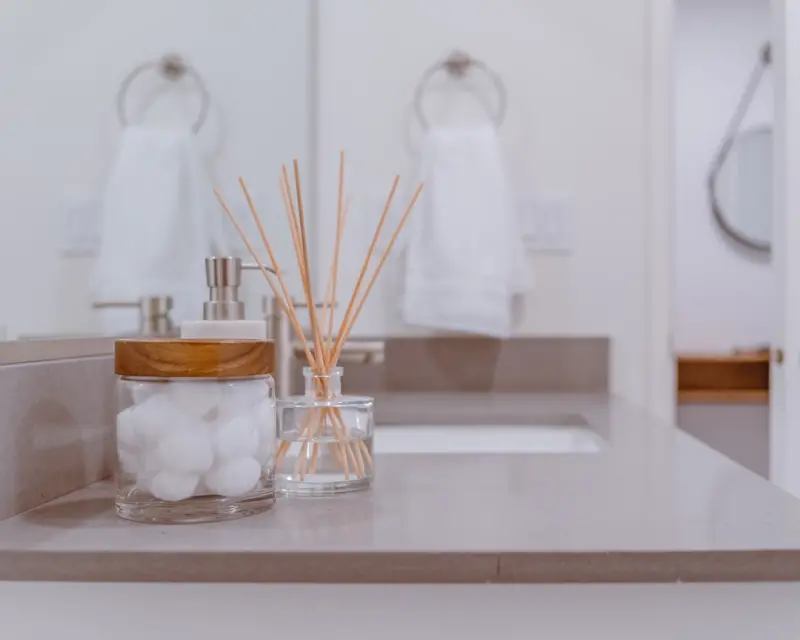
Reimagining the Bathroom: A Zero‑Waste Personal Care Blueprint
A step‑by‑step guide shows how to turn your bathroom into a zero‑waste sanctuary, covering ref... Read More
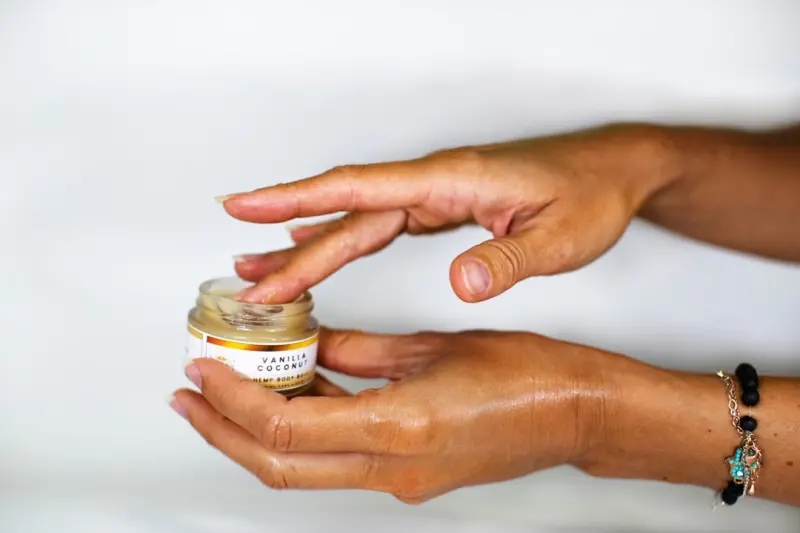
The Transformative Power of Hand‑Crafted Body Scrubs
Explore the benefits of homemade body scrubs, from ingredient basics to sensory rituals, and learn h... Read More
Elevate Your Daily Personal Care with Breathwork and Self‑Massage
Learn a quick, science‑backed daily ritual that pairs intentional breathing with self‑massage, c... Read More
Top Posts

Unlocking Internal Talent Marketplaces: A New Era of Employee Growth
Internal talent marketplaces match employees to internal projects in real time, fostering continuous learning, visibility, and retention while driving operation...Read More
How to Grow a Backyard Micro‑Forest: A Hands‑On Blueprint
Discover a step‑by‑step guide to building a backyard micro‑forest that enhances biodiversity, offers fresh produce, and creates a tranquil outdoor retreat...Read More

Why Garden Desks Are Transforming Employment in 2026
Garden desks are redefining work in 2026, offering health benefits, cost savings, and a fresh talent magnet. Learn how outdoor workspaces boost productivity and...Read More

Why Employee‑Led Innovation Labs Are the Next Competitive Frontier
Employee‑led innovation labs empower frontline staff to become internal entrepreneurs, accelerating product development, cutting costs, and boosting engagemen...Read More
0 Comments
Post Comment
You will need to Login or Register to comment on this post!