

Paper‑Only Travel: Rediscovering Analog Adventures
When the last time you booked a flight, you probably swiped your phone, clicked a few buttons, and watched a loading bar while a digital receipt slid into your inbox. In the rush of notifications, itineraries auto‑filled by AI, and the constant hum of GPS directions, we’ve begun to forget what it feels like to hold a paper map between our fingertips, to flip a notebook open and let the ink flow without a screen in sight. I’m Paul Flynn, and after years of shuttling between conference rooms and coworking spaces, I’m betting my next vacation on the paper‑only experience.
The All‑Digital Fatigue You Didn’t Know You Had
Even the most seasoned traveler admits to feeling a subtle exhaustion when every moment is mediated by a device. It’s not the jet lag or the long‑haul flights; it’s the cognitive overload of constant alerts, live‑traffic updates, and the never‑ending stream of travel‑related content. This fatigue is often invisible, because we’ve conditioned ourselves to think “being connected” equals “being safe” and “being productive.” The truth? Our brains crave intervals of silence—silence not just in sound, but in data.
- Decision fatigue: Constantly choosing between apps, routes, and dining options drains mental bandwidth.
- Memory erosion: When a phone records every detail, we stop committing landmarks, conversations, or flavors to memory.
- Sensory dulling: The glow of screens dulls our ability to notice the subtle changes in light, temperature, and texture that make a place unique.
What if you could strip all that away, even if just for a few days? The answer lies in the humble tools that have guided travelers for centuries: paper maps, leather‑bound journals, and film cameras.
Preparing for an Analog Expedition
Transitioning from a fully digital itinerary to a paper‑only approach sounds daunting, but with a little preparation it becomes an adventure in itself. Below is my step‑by‑step checklist (yes, I’m still using a checklist—but this time it’s on paper).
- Choose the right map: Invest in a high‑quality regional map. I favor the National Geographic Traveler series for its blend of detail and durability. For city trips, a folded city map or a flavor map that highlights food districts can double as a culinary guide.
- Pack a travel journal: Go for a sturdy Moleskine or a field notebook with thick paper that can handle fountain pens and light watercolor sketches.
- Bring a film camera: 35mm is affordable and forgiving. Load a roll of ISO 400 for a balance between daylight and low‑light scenes.
- Print essential documents: Flight tickets, hotel confirmations, and emergency contacts. Store them in a waterproof pouch.
- Plan loosely: Outline a rough route, but leave space for serendipity. Mark “must‑see” spots with a pencil, not a permanent marker.
By the time you zip up your bag, you’ll already feel a shift: the weight of paper in your hands reminds you that travel is a physical act, not a digital transaction.
On the Ground: Living the Analog Life
Landing in a new city, the first thing I do is unfold my paper map on a café table. The map’s tactile surface forces me to slow down, trace streets with my finger, and internalize the city’s layout. Unlike a GPS, which tells you “turn left in 300 meters,” a map encourages you to ask, “where am I now?” and “what’s around the corner?” This small cognitive exercise activates a sense of place that apps simply can’t replicate.
While wandering, I keep my journal open. I jot down snippets of conversation, sketch a façade that catches my eye, or note the scent of a bakery on a side street. These analog notes become a personal archive that no algorithm can edit or delete. When I return home, flipping through those pages feels like re‑living the trip, layer by layer.
Photography with film adds another dimension. Without the instant preview of a digital camera, I’m forced to think about composition before I press the shutter. The anticipation of waiting to develop the film turns each photo into a story in waiting, heightening the excitement of discovery.
Why Analog Travel Is Gaining Momentum
The trend isn’t just a nostalgic whim. A growing community of travelers, digital‑detox advocates, and even some boutique hotels are championing analog experiences. Here’s why it resonates:
- Authenticity: Paper forces you to engage with locals directly, asking for directions or recommendations instead of relying on pre‑programmed suggestions.
- Memory retention: Studies show that handwriting improves recall. When you sketch a street or write a note, the memory becomes more vivid.
- Sustainability: While printing does have an environmental cost, many travelers offset this by using reusable notebooks and responsibly sourced paper.
- Mindful presence: The absence of notifications encourages you to be present, noticing the subtle rhythms of a city—street musicians, the clatter of a market, the way light shifts on stone walls.
If you’re skeptical, consider how the regenerative outdoor spaces movement has taught us to view our surroundings as ecosystems to nurture. Analog travel is a similar mindset: treating each journey as a living, breathing experience that you actively cultivate rather than passively consume.
Balancing Analog with Modern Necessities
Let’s be clear: a fully paper‑only trip isn’t always practical. Emergencies happen, and connectivity can be a safety net. The key is finding a balance—using digital tools as a backup, not a crutch.
Here are a few hybrid strategies:
- Offline maps: Download a map onto your phone before departure. Keep the app closed, opening it only when you truly need it.
- Digital backup of notes: At the end of each day, photograph or type up key journal entries. This preserves them without replacing the analog habit.
- Emergency contact card: Write essential numbers on a small card that you keep in your wallet, separate from your phone.
Think of the digital components as safety rails, while the analog tools become the primary means of navigation and reflection.
Stories from the Road: Real‑World Analog Adventures
During a recent week‑long trek across the Scottish Highlands, I relied solely on a topographic map, a pocket‑sized journal, and a simple 35mm camera. On the first day, a sudden rainstorm forced me to seek shelter in a small croft. With no signal, I asked the innkeeper for directions. He drew a route on my map with charcoal, pointing out hidden glens that no guidebook mentioned. That evening, I wrote down the crofter’s story about the ancient stone circle nearby—a tale that would have been lost to the noise of a digital guide.
In Kyoto, I swapped my phone for a traditional Japanese travel diary (called a “nikkī”). I spent afternoons sketching the delicate patterns of temple roofs and noting the subtle differences in tea ceremony etiquette. The paper’s texture reminded me of the rice paper used in the tea houses, forging a sensory link that a screenshot could never achieve.
These anecdotes illustrate that the analog approach isn’t a retro gimmick; it’s a catalyst for deeper connections, both with the places we visit and the people we meet.
Crafting Your Own Analog Travel Narrative
If you’re ready to embark on a paper‑only adventure, consider these final tips to turn your trip into a compelling narrative:
- Start with a theme: Choose a personal focus—architecture, cuisine, flora—and let it guide your observations.
- Use sensory prompts: In your journal, create sections for “sights,” “sounds,” “smells,” and “textures.” Fill them as you explore.
- Curate a post‑trip showcase: Combine journal excerpts, film photographs, and map annotations into a coffee‑table book or a digital PDF for friends and family.
When you return home, you’ll discover that the physical artifacts of your journey—folded maps, ink‑stained pages, grainy photos—are not just souvenirs. They are tangible extensions of the experiences you lived, ready to be revisited, shared, and cherished for years to come.
Conclusion: The Future of Travel May Be Analog
In a world that glorifies speed, automation, and endless connectivity, the act of traveling with paper in hand feels radical. It’s a quiet rebellion against the “always‑on” culture, inviting us to slow down, observe, and remember. As more travelers seek depth over breadth, the analog approach could become the new benchmark for meaningful journeys.
So the next time you’re plotting a getaway, consider swapping your screen for a map, your thumb for a pen, and your camera for a roll of film. You might just discover that the most unforgettable moments are those you capture the old‑fashioned way.

Paul Flynn is a versatile freelance writer equipped with a diverse skillset and a portfolio that reflects his wide-ranging interests and expertise. From crafting compelling website copy and engaging blog posts to delivering in-depth articles and meticulously researched reports, Flynn demonstrates a remarkable ability to adapt his writing style to suit various audiences and purposes.
Related Posts
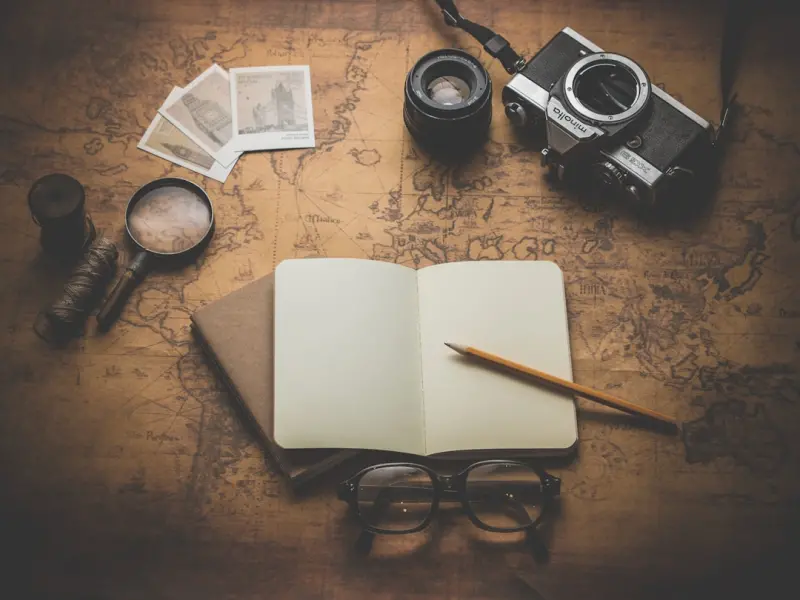
Sketching the World: How a Travel Journal Transforms Your Adventures
Explore the power of a travel sketchbook: from mindful observation to lasting legacy, this guide sho... Read More

Unplugged Adventures: Recharging Your Soul When the Wi‑Fi Dies
Explore the benefits of traveling without constant connectivity, learn how to plan offline-friendly ... Read More

Turning Transit Time into a Playground for Curiosity
Discover a fresh travel mindset that turns ordinary commutes into a sandbox for observation, spontan... Read More
Top Posts

Cultivating Success: How a Garden Desk Can Revitalize Your Home and Work Life
Explore the rise of garden desks, blending outdoor serenity with work efficiency, and learn practical steps to create a productive backyard oasis....Read More
Sustainable DIY Outdoor Living: Transform Your Space with Eco‑Friendly Hacks
Learn how to turn everyday items into stylish outdoor furniture, use smart watering systems, and create modular planters for a sustainable, beautiful backyard r...Read More

Cultivating an Outdoor Reading Oasis: Garden Book Nook Ideas
Learn to transform any garden corner into a cozy outdoor reading oasis with tips on placement, seating, plant choices, weather‑proofing, lighting, and persona...Read More
Why My Garden Desk Is the Hottest Home & Garden Trend of 2024
Rose DesRochers reveals how her garden desk merges nature and work, boosting focus, wellness, and eco‑friendly living—making it 2024's must‑have home & ga...Read More
0 Comments
Post Comment
You will need to Login or Register to comment on this post!