
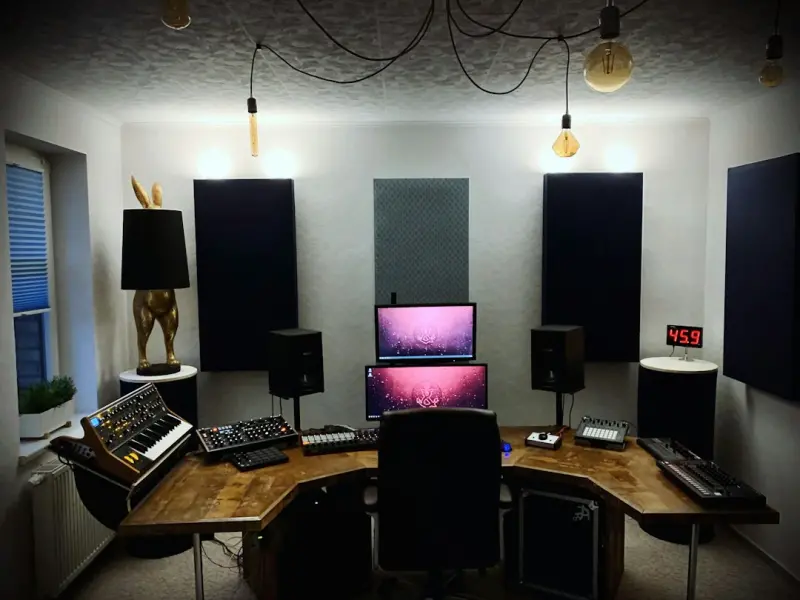
Ever walked into a room and felt like you were standing inside a giant tin can? The kind of echo that makes you wonder whether you’re in a living room or a recording studio? I’ve been there, and I’ve learned that acoustic comfort is the secret sauce many homeowners overlook. While we obsess over paint colors, smart thermostats, and clutter‑free kitchens, the way sound behaves in our spaces can make—or break—the feeling of calm, focus, and even joy.
Why Home Acoustics Matter (Even If You’re Not a Musician)
Sound is a constant in our lives. It’s the hum of the fridge, the chatter from the street, the reverberation of our own voices. Good acoustic design can transform a noisy kitchen into a soothing backdrop for conversation, while poor acoustics can turn a simple dinner party into a strained shouting match.
Think of it like this: lighting sets the visual mood, temperature sets the physical comfort, and acoustics set the emotional tone. When the acoustic environment feels right, we can focus on work, unwind after a long day, and truly hear the subtle “micro‑moments of joy” that make home life rich. Speaking of which, you might want to check out Micro‑Moments of Joy for a deeper dive into those tiny, uplifting experiences.
Getting Your Ears on the Right Frequency: The Basics
Before you start splurging on fancy panels, understand the three core acoustic problems most homes face:
- Reverberation: Too much echo, especially in large open‑plan spaces. It makes speech sound muddy and can increase stress.
- Sound Transmission: Noise leaking in from neighbors or escaping your own living room. This impacts privacy.
- Background Noise: The constant low‑level hum of appliances, HVAC, or street traffic that can distract you from work or relaxation.
Addressing each of these with low‑cost, DIY solutions is easier than you think. Below, I’ll walk you through a step‑by‑step plan that blends science, design, and a sprinkle of creativity.
Step 1: Map Your Sound Landscape
Grab a notebook (or your favorite notes app) and spend a day listening. Walk from room to room at different times—morning, afternoon, night—and note:
- Where the echo feels strongest.
- Which walls feel “thin” (you can hear neighbors or street traffic).
- Any persistent hums or rattles.
This “acoustic audit” is your baseline. It’ll help you prioritize where to intervene first, ensuring you get the biggest bang for your buck.
Step 2: Soft Surfaces are Your Best Friends
Hard surfaces reflect sound; soft surfaces absorb it. Adding textiles is one of the cheapest ways to tame echo.
- Rugs: A thick rug underfoot in a living room can cut reverberation by up to 30%. If you have a hardwood floor, consider layering a rug and a washable pad underneath.
- Curtains: Heavy, floor‑to‑ceiling curtains not only block light but also soak up sound. Opt for fabrics with a tight weave—think linen blends or acoustic‑rated blackout curtains.
- Upholstered Furniture: A plush sofa or an overstuffed armchair can act as a giant sound sponge. If you’re on a budget, throw a few decorative cushions around.
Pro tip: Mix textures! A shaggy rug paired with a smooth, velvet couch creates a varied absorption profile that works better than a uniform surface.
Step 3: DIY Acoustic Panels (Without the Studio‑Grade Price Tag)
If you’re willing to get a little crafty, homemade acoustic panels can be a game‑changer. Here’s a simple recipe:
- Cut a piece of 2‑inch thick plywood to your desired panel size (12×12 inches is a good starter).
- Cover one side with fabric of your choice—preferably breathable cotton or burlap for aesthetics.
- Attach a dense acoustic foam layer (available at most hardware stores) to the back of the plywood.
- Mount the panel on walls that are major echo culprits—think the side of the kitchen island, the wall behind your home office desk, or the bedroom’s accent wall.
These panels not only improve sound but also double as wall art. Choose a fabric that matches your decor, and you’ll have functional design that doesn’t scream “soundproofing”.
Step 4: Seal the Gaps (Because Sound Loves Cracks)
Sound transmission often exploits the tiniest openings. Walk around doors and windows with a candle or incense stick; watch the flame or smoke—if it wavers, you’ve got a draft (and a sound leak). Use weatherstripping, door sweeps, and acoustic caulk to seal those gaps.
Don’t forget the less obvious places:
- Electrical outlets on exterior walls (use foam gaskets).
- Baseboards and trim (caulk any cracks).
- Vent covers (install acoustic duct liners).
Step 5: Strategic Placement of Soft Furnishings
Even after you’ve added rugs and panels, the arrangement of furniture can amplify or dampen sound.
- Bookshelves: Fill a tall bookshelf with books and decorative items. The irregular surfaces break up sound waves, reducing echo.
- Plants: Large, leafy houseplants act as natural sound absorbers. While they also improve air quality—check out Breathe Easy for more on that—plants like the rubber plant or monsteras are especially effective.
- Room Dividers: A folded screen or a curtain can segment a large open‑plan area, creating acoustic “rooms” that prevent sound from bouncing endlessly.
Step 6: Embrace the Power of White Noise (When Needed)
Sometimes, eliminating all external sounds isn’t realistic. In those cases, introduce a gentle, consistent sound that masks distractions. White‑noise machines, fans, or even a softly humming playlist can improve focus in a home office. The key is to keep the volume low enough that it becomes a background hum rather than a new source of irritation.
Step 7: Review and Refine
After implementing these changes, repeat your acoustic audit. You’ll likely notice a quieter, more intimate atmosphere. If certain spots still feel “live,” consider adding another rug, a second panel, or swapping a hard chair for an upholstered one.
Acoustic comfort isn’t a one‑time project; it evolves as you acquire new furniture, change floorings, or even as seasons shift (open windows in summer versus sealed rooms in winter). Treat it like any other home improvement: assess, tweak, and enjoy the results.
Bonus: The Unexpected Benefits of a Well‑Tuned Home Soundscape
Beyond immediate comfort, good acoustics can have measurable impacts on health and productivity:
- Reduced Stress: Echo‑free environments lower cortisol levels, making relaxation easier.
- Improved Speech Clarity: Perfect for virtual meetings—your voice will sound clearer, and you’ll appear more professional.
- Better Sleep: A quiet bedroom without distant street echo can deepen sleep cycles.
If you’re curious about how small design changes can ripple into larger life improvements, you might also enjoy reading Revamp Your Home for Calm, Efficiency, and Joy, which explores holistic approaches to home wellness.
Final Thoughts: Your Home, Your Acoustic Sanctuary
Acoustics often sit in the background of home design conversations, but they deserve a starring role. By listening carefully, adding soft surfaces, sealing leaks, and embracing DIY solutions, you can turn any room into a sanctuary of sound—a place where conversation flows, work concentrates, and relaxation truly lands.
So next time you step into your living space, close your eyes and ask yourself: Does it feel like a welcoming hug, or a reverberating echo chamber? If the latter, roll up those sleeves, grab a rug, and start crafting the acoustic calm you deserve.

Seth Samual is a name that's quickly becoming synonymous with compelling and insightful writing. As a freelance writer, Seth has carved a niche for himself by delivering high-quality content across a diverse range of subjects.
Related Posts

Breathe Easy at Home: DIY Natural Air Purifiers That Transform Your Space
Learn how to create natural, budget‑friendly air purifiers using houseplants and fabric filters, w... Read More

Create a Stress‑Free Home Sanctuary on a Budget
Turn your living space into a calming sanctuary without costly renovations by decluttering purposefu... Read More

Smart Lighting Hacks to Boost Home Mood and Focus
Learn how to use layered lighting, smart bulbs, strategic furniture flow, and simple acoustic upgrad... Read More
Top Posts
Nature‑Infused Home Offices: Boosting Focus and Well‑Being
Turn your home office into a thriving, nature‑filled haven that elevates focus, reduces stress, and enhances well‑being with practical plant picks, lighting...Read More

Finding Stillness in the City: A Sensory Approach to Mental Wellness
Learn how to use grounding, breath, soundscapes, and playful curiosity to transform city stress into a resilient, mindful mental‑health practice....Read More

Why Your Company Needs an Internal Talent Marketplace
An internal talent marketplace lets employees discover and apply for internal roles in real time, aligning skills with business needs and fostering a culture of...Read More

Creating a Captivating Night Garden: Light, Fire, and Fragrance After Dusk
Learn to turn your garden into a nighttime sanctuary with layered lighting, fire pits, moon‑blooming scents, and soothing sounds for a truly magical after‑d...Read More
0 Comments
Post Comment
You will need to Login or Register to comment on this post!