

Why Your Home Needs a Sound Strategy (and How to Build One)
When I first moved into a downtown loft, I thought the biggest challenge would be finding a spot for my standing desk. Spoiler: the real battle was with the echo that turned every Zoom call into a karaoke session. I quickly learned that a quiet home isn’t just a luxury—it’s a productivity weapon. In this post I’ll walk you through practical, low‑budget acoustic hacks that turn any space—from cramped studio apartments to sprawling houses—into a haven for focus, conversation, and relaxation.
The Invisible Enemy: How Sound Sneaks In
Most of us think of home comfort in terms of temperature, lighting, and décor. Sound, however, is the invisible layer that can make or break those other elements. Hard floors, bare walls, and open‑plan layouts are great for modern aesthetics, but they also act like giant megaphones, bouncing conversations, street traffic, and the occasional neighbor’s dog across the room.
Before you start buying expensive sound‑proof panels, ask yourself three questions:
- Where does the noise originate? Is it external (traffic, subway) or internal (appliances, footsteps, echo)?
- What rooms need quiet the most? Home office, nursery, or meditation corner?
- What’s your budget and style tolerance? Do you want a sleek minimalist look or a cozy, lived‑in vibe?
Answering these will guide your choices and keep you from over‑engineering a solution that looks more like a recording studio than a home.
1. Soft Surfaces Are Your Best Friends
Sound waves lose energy when they hit soft, porous materials. Think of a carpet as a sponge that soaks up footfalls, and a plush rug as a blanket for echo. If you’re on a tight budget, start with strategic placement:
- Area rugs: Even a 5 × 8 foot rug under your desk can cut reverberation by up to 30 %.
- Heavy curtains: Swap out those sheer panels for thick, floor‑to‑ceiling drapes. They double as a light blocker, which reminds me of that article on brighten your workspace naturally—you’ll get both acoustic and lighting benefits.
- Fabric wall hangings: A tapestry or a woven wall art piece adds visual flair while damping sound.
2. DIY Acoustic Panels Without the Studio Price Tag
Commercial acoustic panels can run $100+ each, but you can craft effective alternatives with everyday items. The secret is a dense core (like rock wool or recycled denim) wrapped in breathable fabric.
- Buy a bundle of rock‑wool insulation boards from a hardware store.
- Cut them to your desired size—12 × 12 inches works well for a starter set.
- Wrap each board in a breathable cotton or linen fabric (no plastic).
- Mount them on the wall at ear level using picture‑hanging strips.
Not only does this reduce echo, but the fabric adds a pop of color or texture that can match your décor. And because they’re removable, you won’t break a lease.
3. Furniture Placement: Turn Your Layout Into a Sound Buffer
Large pieces of furniture naturally absorb sound. Here’s how to use them strategically:
- Bookshelves: Fill a tall bookshelf with books and decorative items and place it against a shared wall. The irregular surfaces scatter sound waves, diminishing echo.
- U‑shaped desks: If you have space, a desk that wraps around creates a mini‑cocoon, keeping your voice and keyboard clicks contained.
- Room dividers: A folding screen or a curtain can break up an open‑plan area, creating a quieter micro‑zone for calls.
4. Seal the Gaps: Door Sweeps and Window Weatherstripping
Even the smallest gaps can let in a surprising amount of sound. Install door sweeps on the bottom of interior doors and add adhesive weatherstripping around window frames. These tiny fixes are inexpensive (often under $10 each) and can cut outside noise by a noticeable margin.
5. Embrace the Power of White Noise
If you can’t eliminate external noise entirely, mask it. White‑noise machines, a simple fan, or a low‑volume aquarium can create a consistent sound backdrop that makes sudden clatter less distracting. Choose a tone that you find soothing—some people prefer the subtle hum of a rainfall sound, while others go for the steady whir of a ceiling fan.
6. Tech Integration: Centralize Your Home Tech for Cleaner Wiring
Cluttered cords not only look messy; they can bounce sound and create visual stress. By centralize your home tech, you keep cables tidy and free up wall space for acoustic treatments.
Invest in a small power strip with USB ports, mount it discreetly under a desk, and route cables through cable management sleeves. Not only does this look sleek, it also reduces the “buzz” that can emanate from overloaded power strips.
7. Smart Speakers as Dual‑Purpose Tools
Modern smart speakers can double as white‑noise generators. Use Alexa or Google Assistant to play ambient sounds on a schedule—say, a gentle forest soundtrack during your evening reading. This creates a consistent acoustic environment without buying separate equipment.
8. The Role of Plants in Sound Absorption
Large leafy plants aren’t just Instagram‑friendly; they also act as natural sound absorbers. A rubber plant, monstera, or a tall ficus can reduce echo, especially when placed near reflective surfaces like windows or bare walls. Aim for a plant with broad leaves for maximum surface area.
9. Testing Your Improvements
Before you celebrate, put your new setup to the test. The simplest method is the “clap test”: clap once loudly and listen for lingering reverberation. If the sound dies out quickly, you’ve done it right. For a more tech‑savvy approach, use a smartphone app that measures decibel levels before and after your upgrades.
10. Maintenance: Keeping Your Acoustic Oasis Fresh
Dust can reduce the effectiveness of acoustic panels and fabric hangings. Schedule a monthly vacuum of your rugs, curtains, and DIY panels. Swap out plant leaves that turn brown, and rotate furniture placements periodically to address any new echo hotspots that may develop as you acquire more items.
Putting It All Together: A Sample Room Makeover
Imagine a 12 × 12 foot home office:
- Lay down a medium‑pile area rug that covers the majority of the floor.
- Hang a thick, charcoal‑colored curtain on the window, which also blocks glare.
- Install two DIY rock‑wool panels on the wall behind your monitor.
- Position a tall bookshelf filled with books and decorative objects opposite the window.
- Place a large rubber plant in the corner near the bookshelf.
- Mount a sleek power strip under the desk, routing all cables through a cable sleeve.
- Finish with a small white‑noise speaker playing soft rain at a low volume.
The result? A room that looks inviting, feels warm, and keeps background noise to a whisper—perfect for deep work or a crystal‑clear client call.
Final Thoughts: Sound as a Design Element
Acoustic comfort often gets overlooked, but it’s a core component of a functional home. By treating sound like any other design element—considering texture, placement, and technology—you can create a space that supports focus, conversation, and well‑being without sacrificing style.
Take one tip today—maybe a new rug or a simple door sweep—and notice the difference. Then, layer on additional tweaks until you’ve built a silent sanctuary that feels as good as it looks.

Seth Samual is a name that's quickly becoming synonymous with compelling and insightful writing. As a freelance writer, Seth has carved a niche for himself by delivering high-quality content across a diverse range of subjects.
Related Posts
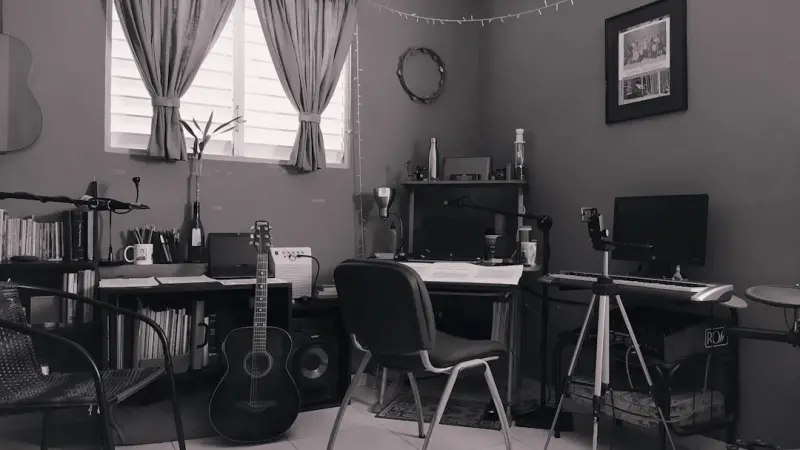
Quiet‑Crafting Your Home: Simple Acoustic Hacks for a Calmer Life
Learn easy acoustic upgrades—from plush rugs and DIY panels to smart tech and quiet‑zone habitsâ... Read More
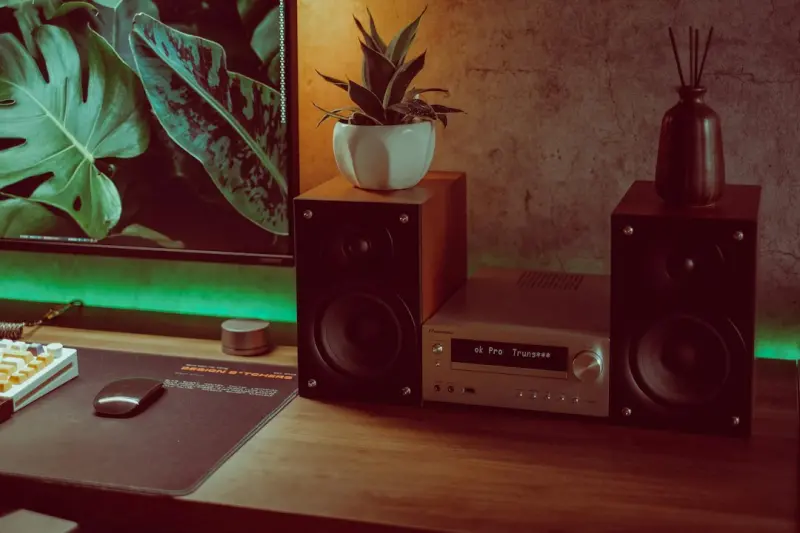
Create a Quiet Oasis at Home: Sound‑Smart Tips
Learn how to transform every room—living area, kitchen, bedroom, and bathroom—into a peaceful sa... Read More

Low‑Cost DIY Energy Audit: Save Money and Power Up Your Home
A step‑by‑step guide to performing a DIY energy audit, uncovering hidden waste, and implementing... Read More
Top Posts

Why Traveling the Unknown Turns You Into a Better Decision‑Maker
Exploring unfamiliar places forces rapid choices, cultural decoding, and resilience, training the brain for better decision‑making and innovation back at work...Read More

Taste the Journey: A Food‑First Approach to World Travel
Explore travel through the palate, learning to map flavors, shop smart at local markets, and savor authentic dishes while staying light on luggage and heavy on ...Read More
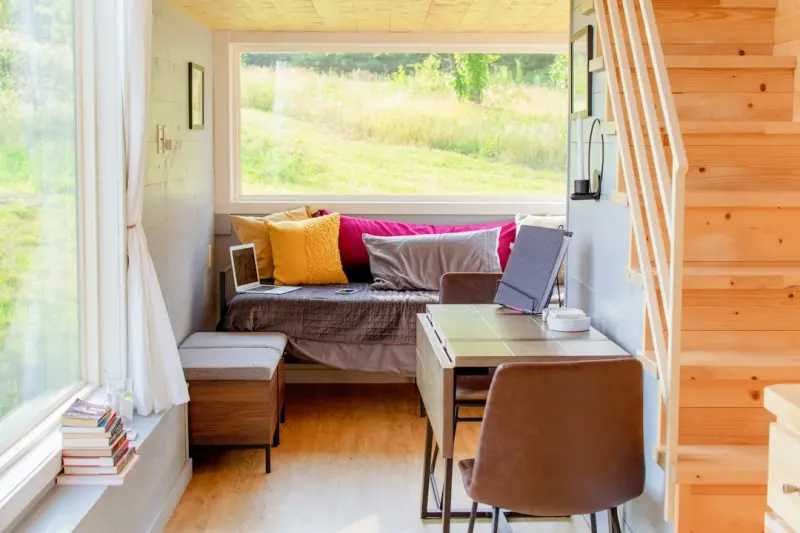
Designing Micro‑Refuge Zones: Tiny Spaces That Recharge Your Day
Learn how to turn overlooked corners of your home into micro‑refuge zones—small, purposeful spaces that refresh the mind, enhance focus, and add a soothing ...Read More
Micro‑Organizing: Transform Small Spaces with Multi‑Purpose Design
Learn how tiny, intentional changes—like layered lighting, adaptable furniture, and vertical storage—can revitalize your home into a dynamic, inviting sanct...Read More
0 Comments
Post Comment
You will need to Login or Register to comment on this post!