
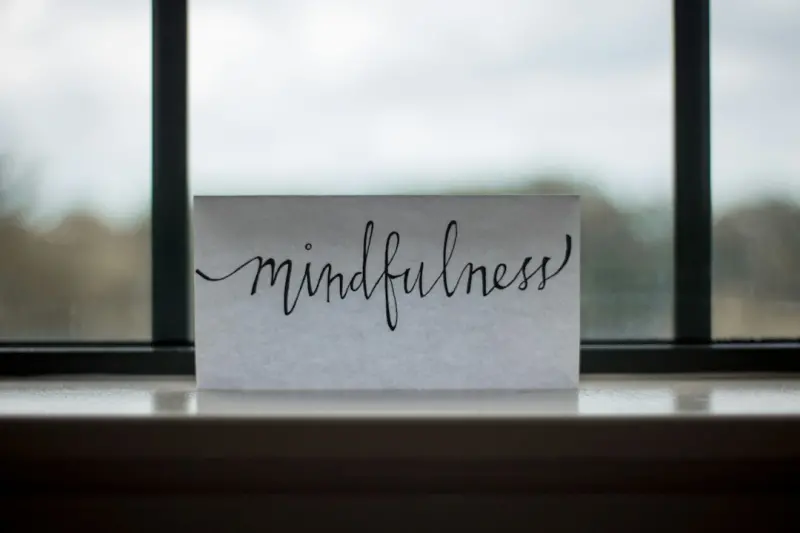
Imagine a world where the smallest, most fleeting pleasures are treated like strategic assets. A sip of tea, a five‑second chuckle at a meme, the sensation of sunlight on your wrist—each of these micro‑moments can be deliberately cultivated to reshape the way our nervous system handles stress. This isn’t a whimsical wellness fad; it’s a neuroscience‑backed practice that busy professionals can weave into even the most packed schedules.
Why Tiny Joys Matter More Than You Think
When we talk about mental health, the conversation often orbits around big‑picture interventions: therapy, meditation marathons, or extensive lifestyle overhauls. Yet, research shows that the brain responds to brief, positive stimuli almost as powerfully as it does to longer sessions. A dopamine surge triggered by a quick laugh can momentarily lower cortisol, the primary stress hormone, creating a “reset button” for the nervous system.
These micro‑joys act like micro‑breaks for the autonomic nervous system. By briefly shifting us from a sympathetic (fight‑or‑flight) state to a parasympathetic (rest‑and‑digest) state, they interrupt the cascade of stress signals before they become entrenched. Over time, the pattern builds a more resilient baseline, making chronic stress less likely to take root.
Science Snapshot: The Neurobiology of Mini‑Pleasures
- Reward circuitry activation: A sudden burst of pleasure lights up the ventral striatum, releasing dopamine that reinforces the behavior.
- Cortisol dampening: Even a ten‑second pause with a pleasant sensory cue can reduce cortisol levels by up to 15 % in controlled studies.
- Neuroplasticity boost: Repeated positive spikes encourage the formation of new, healthier neural pathways, effectively “rewiring” stress responses.
Crucially, the effect compounds. Just as regular exercise strengthens muscles, the cumulative impact of dozens of micro‑joys each day can fortify emotional muscles, creating a buffer against burnout without requiring a massive time investment.
Spotting Your Personal Joy Sparks
Everyone’s joy triggers are as unique as a fingerprint. The first step is a short, curiosity‑driven audit:
- Notice the pause: Throughout a typical workday, keep a mental note whenever you feel a subtle lift—perhaps a colleague’s smile or the scent of fresh coffee.
- Label the feeling: Give it a name—“scented lift,” “visual grin,” “taste burst”. This labeling reinforces the brain’s recognition of the cue.
- Rate the impact: On a scale of one to five, rate how much that moment improves your mood. Over a week, patterns emerge, revealing your most potent triggers.
Documenting these moments in a simple notebook or a notes app turns an unconscious habit into an intentional tool. When you can see which stimuli consistently uplift you, you can design your environment to deliver them more reliably.
Practical Micro‑Joy Practices You Can Deploy Right Now
Below are eight low‑effort tactics that can be layered into any routine. Each one takes less than a minute, but together they build a robust joy ecosystem.
- Sensory Pauses: Set a timer to prompt a 10‑second “sensory check‑in.” Look out the window, listen for a bird, or press your fingertips together. The novelty of focusing on a single sense jolts the brain out of autopilot.
- Micro‑Gratitude Notes: Write a one‑sentence gratitude note on a sticky pad. The act of physically writing engages motor pathways, anchoring the positive emotion more deeply.
- Micro‑Movement: Stand, stretch, or do a quick shoulder roll. Physical movement releases endorphins, and the brief interval signals a break to the brain.
- Mini‑Storytelling: Recall a funny anecdote from the week and mentally rehearse it in vivid detail. This taps into narrative power—similar to techniques explored in narrative techniques for mental stamina—to amplify positive emotions.
- Micro‑Music Burst: Play a 15‑second clip of a favorite song. Rhythm syncs with heart rate variability, providing a quick physiological reset.
- Visual Pop‑Ups: Keep a small, pleasing object—like a smooth stone or a quirky figurine—on your desk. Glancing at it triggers a visual delight response.
- Micro‑Mind‑Wander: Allow yourself a brief, purposeful drift of thoughts, akin to the practice described in structured day‑dreaming. Let your mind wander for 30 seconds, then gently bring it back.
- Positive Self‑Talk Flash: Silently repeat a short affirmation (“I’m capable,” “I’m present”) for a few breaths. The self‑affirmation primes the brain for a positive self‑image.
Embedding Micro‑Joy Into a Busy Workday
Corporate cultures often equate constant busyness with productivity, but the data tells a different story. Companies that champion short, positive breaks see a measurable uplift in employee engagement and a dip in error rates. Here’s a practical rollout plan:
- Leadership Modeling: Executives start meetings with a 30‑second “joy share” where each participant mentions a recent micro‑joy.
- Tech Integration: Use calendar nudges or a custom Slack bot that prompts a sensory pause at random intervals.
- Physical Environment: Place visual pop‑ups—colorful art prints, small plants—strategically around the office.
- Metrics Tracking: Conduct brief pulse surveys weekly, asking employees to rate their perceived stress and joy levels. Over a quarter, you’ll see trends that validate the practice.
The goal isn’t to overhaul workflows but to sprinkle moments of pleasure that cumulatively shift the emotional climate.
Measuring the Impact: From Anecdote to Evidence
Quantifying the effect of micro‑joys can feel abstract, but a few simple methods bring clarity:
- Self‑Report Scales: Use a quick 5‑point mood slider before and after a micro‑joy session. Track changes over weeks.
- Physiological Markers: If resources allow, wearable devices can capture heart‑rate variability (HRV) spikes associated with parasympathetic activation.
- Productivity Metrics: Compare task completion times or error rates on days with higher reported micro‑joy frequency versus baseline days.
Even modest improvements—like a 3‑minute reduction in perceived workload or a 5 % increase in focus—signal that the practice is moving the needle.
Addressing Skepticism: Why This Isn’t “Fluff”
Critics often dismiss micro‑joy tactics as “soft” or “non‑serious.” However, the neurochemical rationale is robust: each moment of pleasure triggers dopamine pathways that reinforce the behavior, making it more likely to recur. Moreover, the cumulative effect mirrors the principle of “tiny gains” popularized in high‑performance sports—incremental advantages that compound into a decisive edge.
To counteract doubt, start with a pilot group, gather data, and let the results speak. The evidence will often outweigh the initial skepticism.
Building a Culture That Celebrates the Small
Culture change begins with language. Replace “break time” with “joy burst.” Encourage teams to celebrate tiny wins publicly—think a Slack channel dedicated to sharing one‑minute moments of delight. Over time, these rituals normalize the practice, embedding it into the organizational DNA.
Incorporate micro‑joys into onboarding materials, performance reviews, and wellness workshops. When new hires see that the company values these moments, they adopt them naturally, reinforcing the culture from day one.
Future‑Proofing Mental Health with Micro‑Joy
As the workplace evolves—remote work, hybrid schedules, AI‑driven tools—the mental load will only increase. Micro‑joys are uniquely adaptable: they require no special equipment, can be practiced anywhere, and fit seamlessly into both virtual and physical environments. By normalizing these practices now, organizations future‑proof their workforce against emerging stressors.
Think of micro‑joy as the mental health equivalent of “micro‑learning.” Just as short, focused lessons improve skill retention, brief joy spikes improve emotional resilience. The two concepts can even intersect: after a quick learning module, celebrate with a 10‑second dance or a humorous meme, reinforcing both knowledge and well‑being.
Conclusion: Tiny Moments, Big Shifts
The path to sustainable mental health doesn’t always demand massive overhauls. By deliberately curating and amplifying the tiny pleasures that pepper our days, we can rewire stress pathways, boost dopamine, and foster a resilient mindset. Start small—pick one micro‑joy practice, experiment for a week, and notice the ripple effect on focus, mood, and productivity. As the practice expands, you’ll discover that the most powerful mental health tool may be the one that fits in the palm of your hand.

Karen Edwards is a seasoned freelance writer with a passion for all things furry, feathered, and scaled. With a dedicated focus on pets, she brings a wealth of knowledge and a keen eye for detail to her writing.
Related Posts

Pocket‑Size Reflection: Tiny Practices for Big Mental Gains
Learn how brief, intentional reflection habits—paired with ambient sound cues and a personal knowl... Read More
Reimagining Mental Fitness: Data‑Driven Storytelling for Stress Mastery
Learn a simple, data‑rich storytelling framework that transforms stress into actionable insight, f... Read More

Why Play Is the Missing Piece in Adult Mental Health
Explore why playful moments are essential for adult mental health and learn practical, low‑effort ... Read More
Top Posts

Smart Lighting Hacks to Boost Mood & Productivity
Explore practical smart lighting strategies—from layering fixtures to syncing with your sleep cycle—that transform any space into a mood‑enhancing, energy...Read More

Beyond Burnout: Harnessing Playful Micro‑Adventures for Mental Clarity
Micro‑adventures are brief, intentional bursts of novelty that reset the brain, lower stress, and foster creativity. Learn practical ways to embed these playf...Read More
Why Garden Desks Are the Ultimate Employment Game‑Changer in 2026
A personal look at how garden desks are redefining work in 2026—boosting productivity, wellness, and talent attraction by turning outdoor spaces into high‑p...Read More

Turn Your Tiny Balcony into a Year‑Round Retreat
Discover step‑by‑step strategies to convert a modest balcony into a year‑round retreat, using multifunctional furniture, clever storage, and thriving plan...Read More
0 Comments
Post Comment
You will need to Login or Register to comment on this post!