
Why Walking Meditation Matters
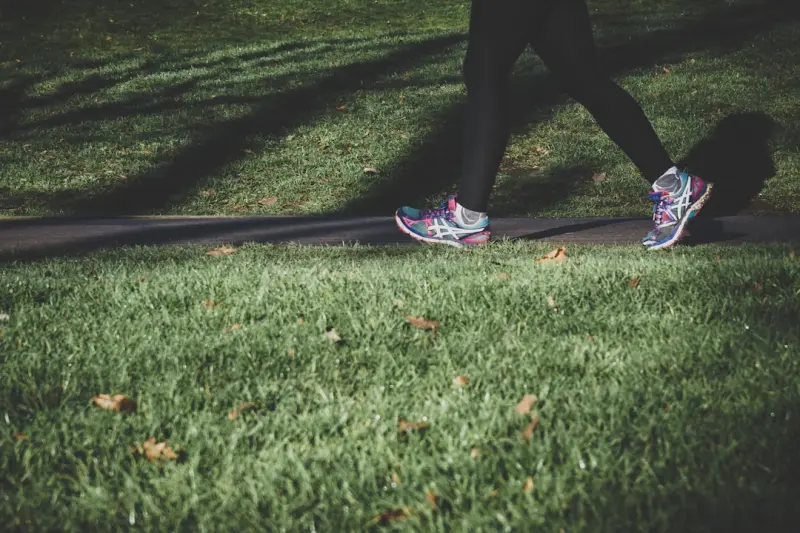
Living in a nonstop world often feels like trying to juggle flaming torches while riding a roller‑coaster; the rush leaves little room for genuine stillness. I’ve learned that the most powerful pauses don’t require a silent room or a yoga mat—they can happen on a city sidewalk, in a park trail, or even down the hallway at work. Walking meditation turns a simple step into a deliberate act of presence, allowing the body to move while the mind steadies, creating a rare blend of activity and calm that many of us crave without realizing.
Most people assume a walk is just a cardio break, but the subtle shift from “I’m moving” to “I’m aware of moving” is transformative. By anchoring attention to the sensation of each footfall, the mind slips out of its habitual looping and settles into a quiet observer role. This practice doesn’t demand extra time; it merely reframes the minutes you already spend walking, turning ordinary motion into a portable meditation studio that fits into any schedule.
Science Behind the Steps
Researchers have begun to untangle how walking meditation influences the nervous system, revealing that the rhythmic cadence of footsteps can synchronize brain waves much like a gentle drumbeat. Studies show that mindful walking increases heart‑rate variability, a marker of parasympathetic activation, which signals the body’s shift toward relaxation and recovery. In addition, the focused attention reduces cortisol spikes, helping to blunt the stress response that often fuels fatigue and anxiety.
Neuroimaging also points to heightened activity in the prefrontal cortex during mindful ambulation, a region tied to executive function and emotional regulation. This suggests that regular walking meditation can sharpen decision‑making while simultaneously soothing emotional turbulence. When you pair this with a brief cold exposure routine, the combined stimulus can boost circulation and invigorate the nervous system, amplifying the restorative benefits of each practice.
Integrating Into Everyday Life
Starting is easier than you think: pick a familiar route—whether it’s the walk to the coffee shop or the loop around your office building—and set a clear intention to stay present. Begin with a few mindful breaths, feeling the air fill your lungs, then notice the ground beneath each foot, the rise and fall of muscles, and the subtle sounds surrounding you. Keep your gaze soft, allowing peripheral vision to capture the scene without latching onto any particular detail.
Consistency beats intensity, so aim for short, frequent sessions rather than a marathon stroll once a week. Even five minutes of deliberate walking can reset your nervous system and improve focus for the hours ahead. As the habit solidifies, you can weave it into other routines—perhaps a post‑lunch walk to aid digestion or a pre‑meeting stroll to clear mental clutter. The key is to treat each step as an invitation to return to the breath, letting the rhythm become a gentle anchor in the midst of daily chaos.
Beyond the Body: Mental & Emotional Gains
Walking meditation does more than soothe the muscles; it reshapes the way we relate to thoughts and emotions. By observing sensations without judgment, you train the mind to notice when it drifts into worry or rumination, then gently guide it back to the present. Over time, this habit builds emotional resilience, allowing you to respond to stressors with curiosity instead of reflexive panic.
In our hyper‑connected era, setting digital boundaries is essential for preserving the quiet space walking meditation creates. Consider leaving your phone on airplane mode or in a pocket during your walk, turning off notifications that pull you away from the moment. This intentional disengagement not only deepens the meditation but also reinforces a healthier relationship with technology, reminding you that true connectivity starts with being fully present with yourself.
Crafting a Personal Walking Ritual
Every individual’s rhythm is unique, so personalize your walking meditation to match your lifestyle and preferences. Some find solace in the cadence of urban traffic, while others prefer the whisper of leaves in a forest path. Experiment with different paces—slow, deliberate steps for deep introspection, or a slightly brisker tempo to energize the body while maintaining mindfulness. The flexibility of this practice means it can evolve alongside you, adapting to life’s inevitable shifts.
Integrating sensory cues can also enhance the experience. Notice the temperature of the air, the scent of rain on pavement, or the texture of a gravel trail underfoot. These sensory anchors act like gentle reminders to stay rooted in the present, preventing the mind from slipping into autopilot. Over weeks, you’ll recognize a subtle but powerful shift: moments of stress become opportunities to return to the rhythm of your steps, fostering a calm that follows you long after the walk ends.
Walking Meditation in Community
While the practice is inherently personal, sharing it with others can amplify its impact. Organize a “mindful stroll” with friends, family, or coworkers, setting a collective intention to stay present and silent for a portion of the walk. This communal silence creates a shared field of awareness, strengthening bonds without the need for words. It also provides accountability, encouraging participants to maintain the practice even on busy days.
Local parks, community centers, or even corporate wellness programs are ideal venues for group sessions. By inviting diverse participants, you open the space for varied perspectives on mindfulness, enriching the experience for everyone involved. As the group grows, consider pairing the walks with brief post‑walk reflections, allowing participants to share insights while keeping the core practice centered on silent, attentive movement.
Turning Insight into Action
The true power of walking meditation lies in its ability to translate inner calm into outward action. When you finish a mindful walk, notice how your thoughts feel clearer, your shoulders less tense, and your decisions more grounded. Use this momentum to tackle tasks that previously felt overwhelming, whether it’s drafting a proposal, cooking a nutritious meal, or simply responding to a difficult conversation with composure.
Remember, the practice is a tool, not a destination. Each step is an invitation to return to presence, and each return builds a stronger, more resilient version of yourself. By weaving walking meditation into the fabric of daily life, you cultivate a sustainable source of health, clarity, and joy that supports both body and mind.

Lauren Miller is a true outdoors enthusiast who has found her passion in the trades. When she's not working hard on the job, you can find her writing, camping, fishing, and exploring all that nature has to offer. A dedicated partner to her wife Beth, Lauren loves nothing more than spending quality time together and experiencing the great outdoors side by side.
Related Posts

Nurturing Your Mood: How the Gut Microbiome Shapes Emotional Health
Explore the gut‑brain connection and uncover everyday foods and habits that nurture your microbiom... Read More

Reprogramming Your Body Clock: Practical Hacks for Healthier Sleep in the Remote Age
Discover practical, science‑backed strategies to reset your body clock, from morning light exposur... Read More
How Breathwork Can Reboot Your Health in a Screen‑Heavy World
A practical guide to integrating breathwork into daily routines, showing how a few mindful breaths c... Read More
Top Posts

From Data Swamp to Insight Oasis: How AI Knowledge Graphs Empower B2B Teams
A knowledge graph is a living map of your business data that surfaces hidden relationships and drives real‑time decision‑making. Learn how B2B teams can tur...Read More

From Cubicles to Skill Markets: Rethinking Career Growth in the Remote Era
A deep dive into the shift from hierarchical ladders to a fluid, skill‑first talent marketplace, highlighting AI tools, personal branding, and practical steps...Read More

Quiet Corners: Simple Acoustic Fixes for a Calmer Home
A practical guide to making your home quieter: from adding rugs and curtains to DIY acoustic panels and smart‑home noise‑masking, all with easy, affordable ...Read More

Scented Gardens: Designing a Year‑Round Aromatic Oasis
Discover how to turn any garden into an aromatic oasis with year‑round scented plants, design tricks, and edible options that boost well‑being and productiv...Read More
0 Comments
Post Comment
You will need to Login or Register to comment on this post!