
Flavor Trails: Mapping Your Culinary Adventures on the Road
Travel, for me, has always been less about checking landmarks off a list and more about decoding the language of taste that each destination whispers. I grew up watching my grandmother sprinkle stories into every simmering pot, and as a wanderer, I’ve learned that the best souvenirs are the flavors that linger on your palate long after the plane has landed. This piece is a love letter to the art of culinary cartography—the practice of deliberately charting, savoring, and sharing the food stories that define a place.
Why a Flavor Map?
Imagine strolling through a bustling night market, the scent of charred kebabs mingling with fresh cilantro, the hiss of a wok echoing against lantern-lit stalls. You’re surrounded by a symphony of aromas, each note telling a story of history, climate, and culture. Yet, without a method to capture these fleeting moments, they dissolve into a vague memory of “good food.” A flavor map transforms those impressions into tangible data points, allowing you to revisit, compare, and even remix them later.
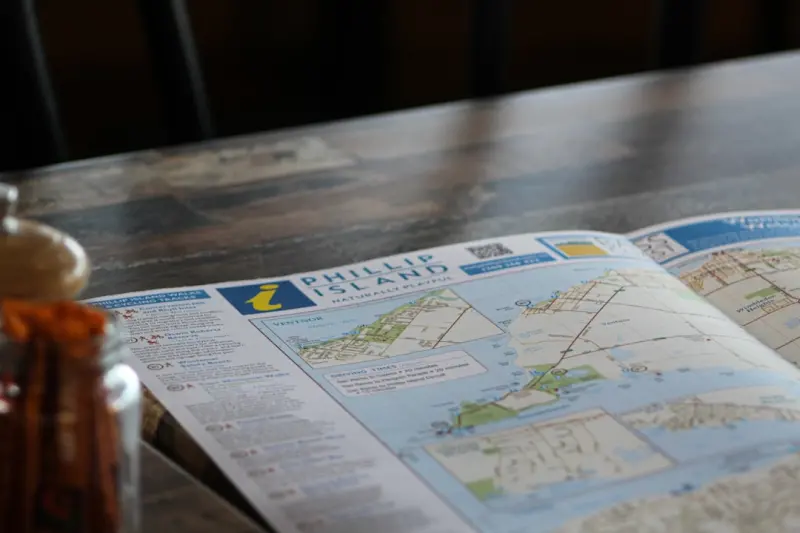
In the same way that hikers use topographic maps to navigate terrain, a flavor map equips the traveler with a sensory compass. It guides you toward hidden eateries, local farms, and cooking workshops that might otherwise slip under the radar. More importantly, it turns each bite into a research note, a piece of a larger narrative you’re stitching together as you move from city to city.
Tools of the Trade: From Notebook to Neural Networks
Before the era of smartphones, I’d carry a leather‑bound journal, scribbling down ingredients, textures, and emotions with a fountain pen. Today, technology offers a richer palette. While I still adore the tactile feel of paper, I’ve embraced a hybrid approach that marries analog charm with digital precision.
- Voice Memos: A quick “record” on the train lets you capture the sizzle of a street‑side grill without pausing the experience.
- Photo Tags: Snap a close‑up of a dish, then tag it with location, price, and a one‑word mood descriptor.
- AI‑Powered Journals: Tools that transcribe your voice notes, suggest flavor pairings, and even generate a “taste fingerprint” based on your entries. When AI becomes your second brain has shown how these assistants can streamline complex knowledge work; the same principle applies to flavor logging.
One of my favorite integrations is a simple spreadsheet that auto‑populates from your notes, then feeds into a visualization dashboard. Color‑coded by region, it instantly reveals patterns—perhaps you gravitate toward smoky, umami‑rich dishes in coastal towns, while preferring bright, herbaceous bites inland.
Designing the Journey: The Flavor‑First Itinerary
Traditional travel planning often starts with “must‑see” sights, but a flavor‑first itinerary flips that script. Begin by selecting a culinary theme—think “fermented foods,” “sea‑to‑table,” or “spice markets.” Then, map out destinations that excel in that niche. This approach not only guarantees delicious discoveries but also immerses you deeper into the culture that produces those foods.
For example, a week dedicated to “fermentation” might include:
- A kimchi‑making workshop in Seoul.
- Visit to a traditional sauerkraut cellar in Berlin.
- Sampling miso and sake at a rural Japanese onsen town.
Each stop becomes a research node, and the connections between them weave a story of how geography, climate, and tradition converge in a single preservation method. By the end of the trip, you’ll have not just a collection of photos but a cohesive, thematic narrative.
Balancing Connection and Disconnection
While digital tools amplify our ability to capture data, they can also pull us away from the raw, unfiltered experience. I’ve found that setting intentional “offline windows” during meals helps preserve the authenticity of the moment. Think of it as creating a digital‑free sanctuary on the go—no notifications, just the clink of glasses, the chatter of locals, and the aroma that’s dancing in the air.
During these windows, I rely on my paper notebook or a simple voice recorder that doesn’t sync until later. The result is a richer memory bank; the senses aren’t competing with a buzzing phone, and the notes you later transcribe feel more vivid.
From Data to Story: Crafting the Narrative
Collecting flavors is only half the adventure. The real magic happens when you turn raw data into a story worth sharing. I love weaving my flavor map entries into blog posts, photo essays, or even short podcasts. The structure often follows a simple arc:
- Context: Set the scene—describe the street, the weather, the people.
- Encounter: Detail the dish, its ingredients, preparation, and first bite.
- Reflection: Connect the taste to a personal memory or cultural insight.
- Takeaway: Offer a tip, recipe, or recommendation for future travelers.
This framework keeps the narrative focused while allowing the sensory details to shine. And when you sprinkle in insights from Ambient AI, you can even suggest how future travelers might use voice‑activated guides to locate the next hidden gem without breaking their immersion.
Cooking with Locals: The Ultimate Immersion
Nothing deepens a flavor map like getting your hands dirty in a local kitchen. Cooking classes are more than a tourist activity; they’re an entry point into the community’s rhythm. When you learn how to knead dough the same way a family has for generations, you absorb stories that no guidebook can convey.
Here are three strategies for finding authentic cooking experiences:
- Community Boards: Many neighborhoods have bulletin boards in cafés where locals post class offerings.
- Social Media Groups: Search for “expat cooking clubs” or “home‑cooking workshops” in the city you’re visiting.
- Ask the Chef: At a restaurant you love, politely inquire if the head chef offers private sessions. Most chefs enjoy sharing their craft.
After the session, add a new entry to your flavor map: note the ingredients you sourced, the technique you mastered, and the story the chef shared about why the dish matters to them. This creates a personal connection that can be revisited long after the trip ends.
Flavor Pairing as a Travel Strategy
Just as seasoned travelers use “stop‑over” strategies to maximize flight value, you can use “flavor pairing” to maximize cultural immersion. Identify a regional ingredient that appears across multiple dishes—like chilies in Southeast Asia or olive oil in the Mediterranean—and use it as a thematic thread. As you move from one city to the next, seek out dishes that showcase that ingredient in new forms. This creates continuity in an otherwise fragmented itinerary.
For instance, on a “chili” tour through Mexico, you might start with tacos al pastor in Mexico City, then sample mole poblano in Puebla, and finish with a smoky chipotle salsa in Oaxaca. Each stop offers a fresh perspective on the same core flavor, highlighting regional techniques, heat levels, and cultural significance.
Preserving the Map for the Future
When the journey concludes, the flavor map becomes a living document. I recommend archiving it in three formats:
- Digital PDF: A nicely designed, printable version that you can flip through on a coffee table.
- Physical Photo Book: Pair images with handwritten notes for a tactile keepsake.
- Online Repository: A private blog or cloud folder where you can update entries, add new photos, and share with fellow travelers.
Future trips will then have a foundation to build upon—perhaps you’ll revisit a favorite market to see how it’s changed, or you’ll challenge yourself to find a new dish that uses the same staple in a different cuisine. The map evolves, just as your palate does.
Conclusion: The Journey Continues on the Plate
Travel is an ever‑expanding canvas, and flavor is the brushstroke that adds depth, color, and texture. By treating each meal as a data point on a larger map, you transform wandering into purposeful exploration. You’ll leave each destination not only with souvenirs but with a personal archive of taste that tells a story only you can narrate.
So next time you book a flight, think beyond the sights—consider the spices, the textures, the aromas waiting to be charted. Pack a notebook, download an AI‑assisted journal, and give yourself permission to disconnect when the moment calls. Your flavor map is waiting, and the world is full of plates ready to be plotted.

Melanie Wilson, Freelance writer with a flare for everything. I am passionate about topics I write crafting stories and compelling content that connect with audiences. Journeying through the realms of creativity as a freelance creator. #WriterLife #ContentCreator
Related Posts

Wanderlabs: Turning Every Trip into a Personal Growth Experiment
Treat each journey as a lab by setting simple hypotheses, tracking micro‑habits, and using local s... Read More
Travel’s Secret Weapon: The Power of Soundtrack
A traveler’s playlist can become the most potent tool on a journey. Learn why sound matters, how t... Read More

Travel That Gives Back: Designing Regenerative Adventures
A deep dive into creating travel experiences that leave a positive legacy, from community‑focused ... Read More
Top Posts

Micro-Reflection: Tiny Check-Ins for Big Mental Gains
A five‑minute micro‑reflection habit can transform your mental health by providing quick emotional check‑ins, reducing stress, and enhancing focus—learn...Read More
Unlocking Internal Talent Markets: Let Employees Navigate Their Own Career Paths
A fresh look at internal talent marketplaces shows how giving employees autonomy over projects revitalizes engagement, accelerates skill development, and create...Read More
Micro‑Internships: Fast‑Track Your Career Without Leaving Your Job
Micro‑internships compress real‑world projects into short assignments, giving employees fast skill growth, broader networks, and a rapid path to promotion w...Read More
Collecting Moments: Turning Every Trip into a Living Archive
Discover a fresh travel approach that transforms each journey into a living archive of sensory story‑chunks, empowering you to revisit, remix, and reap creati...Read More
0 Comments
Post Comment
You will need to Login or Register to comment on this post!