
Welcome to the World of Micro‑Refuge Zones
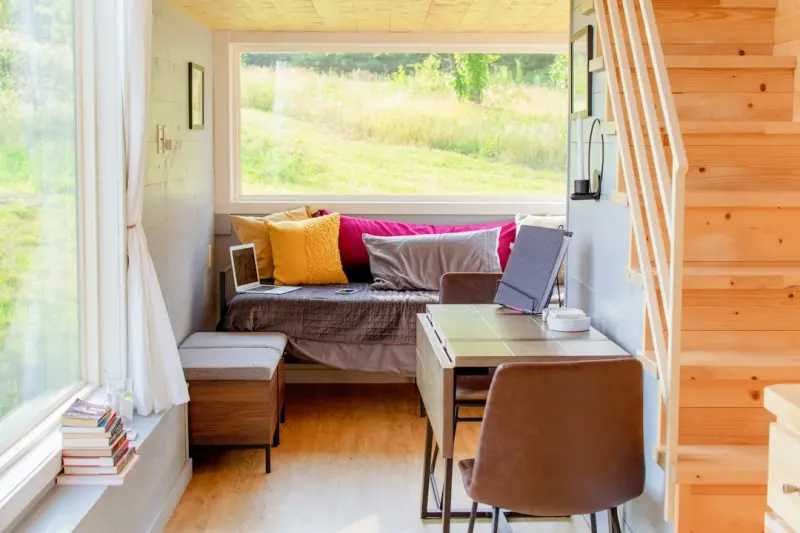
When I first moved into my downtown loft, the open‑plan layout felt both liberating and a little overwhelming. The sheer amount of floor space begged for creativity, yet the constant visual flow made it hard to find a moment of calm. That’s when I stumbled upon the idea of micro‑refuge zones—tiny, intentional corners designed to reset your mind, spark inspiration, and give your daily routine a subtle but powerful lift. Think of them as the home’s version of a coffee break: brief, refreshing, and essential.
Why Micro‑Refuge Zones Matter (Even If You Think You Don’t Need Them)
Most of us assume that a large living room or a sprawling kitchen is where the magic happens. The truth is, the smallest spaces can have the biggest impact. By carving out a dedicated nook, you create a physical reminder to pause, breathe, and engage with your environment in a new way. It’s not about adding more furniture; it’s about curating moments of intentionality that align with the rhythm of your day.
- Boosted Focus: A defined spot reduces decision fatigue, letting your brain associate that area with a specific task—whether it’s reading, journaling, or planning the week ahead.
- Stress Reduction: A sanctuary, however tiny, offers a psychological “reset button,” lowering cortisol levels and encouraging mindfulness.
- Enhanced Aesthetic Flow: Thoughtful micro‑refuges add layers of texture and visual interest, preventing the space from feeling sterile or overly uniform.
Step‑by‑Step Blueprint: Building Your First Micro‑Refuge
Creating a micro‑refuge doesn’t require a major renovation. Follow these steps, and you’ll have a purposeful pocket of peace in less than a weekend.
1. Identify the Right Spot
Look for under‑used corners, alcoves, or even a spot beneath a window sill. The ideal location feels naturally inviting—perhaps a place with natural light or a view of a plant wall. If you’re limited on space, consider a vertical approach: a narrow wall‑mounted shelf that doubles as a standing meditation platform.
2. Choose a Core Function
What will you primarily use this zone for? Some ideas:
- Mini‑reading corner with a plush chair and a small bookshelf.
- Mindful sipping station—think a compact coffee bar with a favorite mug.
- Creative sketch pad area, equipped with a sketchbook and a set of colored pens.
- Digital detox zone, featuring a low‑tech lamp and a timer for focused work.
Having a clear purpose informs every subsequent design decision.
3. Curate the Sensory Palette
Our senses are the silent conductors of mood. Pay attention to:
- Lighting: Soft, warm bulbs or a small Himalayan salt lamp create a soothing glow. For natural light lovers, a sheer curtain can diffuse sunlight gently.
- Texture: A knitted throw, a woven rug, or a plush cushion invites tactile comfort.
- Sound: A tiny white‑noise device or a small wind chime can mask background distractions.
- Scent: A discreet essential‑oil diffuser (think lavender or eucalyptus) adds a subtle aromatic layer.
4. Keep It Minimal, Keep It Meaningful
Resist the urge to over‑decorate. The power of a micro‑refuge lies in its simplicity. A single object that resonates with you—perhaps a family heirloom, a favorite book, or a small piece of art—can become the focal point that anchors the space.
5. Integrate Smart & Sustainable Touches
While micro‑refuges are inherently low‑tech, you can still infuse them with subtle, eco‑friendly upgrades. For instance, using Eco‑Smart Home Hacks ensures the materials you choose are non‑toxic and sustainably sourced. Pair this with a few Smart Home Hacks for a Greener Household—like a motion‑sensor LED lamp that only lights up when you enter the zone—to keep the environmental footprint minimal.
Design Inspirations: Real‑World Micro‑Refuge Examples
Below are three distinct styles you can adapt to suit your home’s personality.
The Botanical Nook
Place a narrow, wall‑mounted shelf against a sunny wall. Fill it with small potted succulents, a terrarium, and a lightweight, adjustable floor lamp. Add a tiny stool made from reclaimed wood for a seated moment of plant‑care meditation. The greenery improves indoor air quality and offers a natural visual break.
The Literary Hideaway
Choose a corner with a built‑in bookshelf or install floating shelves. Include a comfortable, oversized armchair, a soft blanket, and a reading lamp with a dimmer. A small side table can hold a steaming mug and a vintage magnifying glass—perfect for getting lost in a novel or flipping through a favorite magazine.
The Digital‑Detox Desk
Set up a low, standing desk made of reclaimed bamboo. Keep the surface clear except for a notebook, a pen, and a timer. Use a simple analog clock and a small, battery‑powered Bluetooth speaker that plays ambient nature sounds. This zone is ideal for brainstorming, mind‑mapping, or practicing short, focused work sprints without the usual screen glare.
Maintaining the Magic: Routine Tips for Your Micro‑Refuge
Creating the space is just the beginning. To keep its benefits flowing, embed these habits into your daily life.
- Set a Time Cue: Allocate a 5‑minute block in the morning and evening to occupy your refuge. Consistency builds the mental association of “this is my reset point.”
- Refresh the Elements: Rotate a decorative item or swap a scented oil every month to keep the environment fresh and stimulating.
- Digital Minimalism: If you use a device in this zone, keep it on airplane mode or use an app blocker to maintain the sanctuary vibe.
- Mindful Entry: Before you settle in, take three deep breaths, notice the surrounding textures, and consciously let go of the tasks you’re leaving behind.
Micro‑Refuges for Every Room
While the concept often starts in living rooms or bedrooms, you can sprinkle micro‑refuge magic throughout your entire home.
Kitchen Countertop Calm
Designate a 12‑inch stretch of countertop for a “coffee contemplation” space. Keep a high‑quality grinder, a favorite mug, and a small herb plant. This becomes a ritual spot for savoring a brew and planning the day’s meals.
Bathroom Zen Spot
Install a narrow floating shelf above the bathtub to hold a small scented candle and a waterproof notepad. After a shower, you can jot down thoughts or set intentions for the evening.
Home‑Office Micro‑Pause
Even in a busy work‑from‑home environment, a 2‑foot‑wide wall alcove with a standing mat and a posture‑support cushion can serve as a quick stretch zone. Pair it with a timer that reminds you to stand and breathe every hour.
Measuring Impact: How to Know It’s Working
Tracking the benefits of your micro‑refuge doesn’t require fancy gadgets—simple self‑reflection works wonders.
- Energy Levels: Note any changes in your energy or focus after using the space. Do you feel more refreshed?
- Stress Indicators: Keep a short journal of stress levels before and after your micro‑refuge sessions.
- Productivity Peaks: Observe if tasks completed after a micro‑refuge are done more efficiently or with higher quality.
Within a few weeks, you’ll likely notice subtle shifts in mood and productivity—a testament to the power of intentional design.
Final Thoughts: The Ripple Effect of Tiny Sanctuaries
Micro‑refuge zones are more than aesthetic add‑ons; they’re strategic tools for living a balanced, purposeful life at home. By dedicating even a square foot to mindful presence, you cultivate a ripple effect that spreads throughout your household, influencing how you move, work, and unwind. So, pick that overlooked corner, choose a purpose, and let the transformation begin. Your home, and your mind, will thank you.

When it comes to the world of blogging and writing, Rose DesRochers is a name that stands out. Her passion for creating quality content and connecting with her audience has made her a trusted voice in the industry. Aside from her skills as a writer and blogger, Rose is also known for her compassionate nature.
Related Posts

Evening Reset: The 10‑Minute Routine That Transforms Your Home
A simple, 10‑minute evening reset—covering entryway clear‑out, kitchen quick‑clean, light an... Read More

How to Refresh Your Home Every Season Without Breaking the Bank
Discover practical, low‑cost strategies to give your home a fresh look each season, from swapping ... Read More

How to Turn Your Home Into a Low‑Cost Smart Energy Hub
Learn how to create a low‑cost smart energy hub with simple monitoring, scheduling, and adaptive c... Read More
Top Posts
Garden Desks: Jimmy Damon’s Blueprint for the Hottest Home & Garden Trend
Jimmy Damon reveals how garden desks transform work, boost well‑being, and lead the 2024 home & garden trend—learn to design your own green workspace today....Read More

Nurturing Your Skin’s Invisible Allies: A Microbiome‑First Personal Care Guide
Explore a fresh approach to personal care that prioritizes the skin’s microbiome, offering practical swaps, a 30‑day challenge, and tips for eco‑friendly,...Read More

Breathing Into the Future: Simple Breathwork to Beat Digital Overload
In this post, Jimmy Damon shares practical breathwork techniques that calm the nervous system, enhance sleep, and increase daytime focus, offering a low‑tech ...Read More

Why Structured Sabbaticals Are the Secret Weapon for Modern Employers
Structured sabbaticals, when designed with clear goals and reintegration plans, become a strategic asset that lowers turnover, fuels creativity, and positions c...Read More
0 Comments
Post Comment
You will need to Login or Register to comment on this post!