

Ever walked into your living room after a long day and felt like the space itself was pressing you for answers? It’s a subtle thing—an uneasy hum in the background that makes you wonder whether your home is truly serving you or silently demanding more. I’m Tyler, and after years of juggling remote work, kids’ after‑school projects, and a never‑ending to‑do list, I’ve cracked a few home‑optimization tricks that turn ordinary rooms into quiet power stations for productivity, relaxation, and genuine happiness.
The “Three‑Layer” Blueprint: Physical, Sensory, and Temporal
Most home‑improvement guides focus on a single dimension—paint colors, furniture layout, or tech upgrades. While those are useful, they miss the synergy that happens when you align what you see, what you feel, and when you do it. I call this the Three‑Layer Blueprint, and it’s the secret sauce behind a house that feels like a sanctuary, not a staging area.
- Physical Layer: The tangible elements—furniture, storage, lighting fixtures, and layout.
- Sensory Layer: The ambient qualities that influence mood: scent, texture, acoustic tone, and visual temperature.
- Temporal Layer: The rhythm of activities and how you program your environment to support them throughout the day.
When you design each layer intentionally, you’ll notice a ripple effect: a tidier space, fewer mental distractions, and a natural flow that reduces decision fatigue. Below is a step‑by‑step guide to applying this blueprint in a practical, budget‑friendly way.
1. Physical Layer: Modular Storage That Grows With You
Most people buy a bookshelf or a set of bins and hope they’ll fit forever. The truth is, our lives evolve—new hobbies, kids, remote‑work gear—and static storage quickly becomes a source of clutter. Instead, think “modular.” The concept isn’t new, but the execution can be surprisingly sleek.
Start with a modular storage hack mindset: choose units that can be stacked, re‑configured, or swapped out as your needs shift. Here’s how to implement it:
- Map Your Zones: Walk through each room and identify three categories—daily essentials, occasional items, and “just in case” gear.
- Choose a Core System: Look for a base set of cubes or drawer units that can be combined vertically or horizontally. Opt for neutral finishes that blend with any décor style.
- Add Flex Accessories: Hook‑on baskets, sliding dividers, and magnetic panels turn a simple cube into a multi‑purpose hub.
- Label Visually: Instead of text labels, use color‑coded tags or icons. Your brain processes visual cues faster, and you’ll locate items without a mental rummage.
When the system is in place, you’ll find that the “clutter” myth dissolves—every item has a home, and the home adapts to you. It’s a small investment that pays dividends in mental clarity.
2. Sensory Layer: Curating the Invisible Atmosphere
While you can’t see scent or sound, they wield massive influence over your stress levels. I used to underestimate this until I experimented with a “scent‑schedule” and discovered that a single aroma can cue your brain to switch modes.
2.1. Aroma Anchors for Activity Zones
Pick three complementary essential oils or natural fragrances:
- Focus Zone (home office): Peppermint or rosemary—both stimulate alertness.
- Relaxation Zone (living room): Lavender or chamomile—calming without drowsiness.
- Rejuvenation Zone (entryway): Citrus blends—invigorating and welcoming.
Use a low‑maintenance diffuser or a set of scented wooden sticks placed strategically. Over time, your brain learns to associate each scent with a particular activity, slashing the time needed to “get into gear.”
2.2. Acoustic Fine‑Tuning Without Going High‑Tech
Most homes suffer from echoey rooms or intrusive street noise. Instead of expensive sound panels, try these low‑cost tricks:
- Hang heavy drapes or tapestry art on large windows—fabric absorbs mid‑range frequencies.
- Place a rug with a dense pile under work surfaces; it reduces foot‑step reverberation.
- Introduce “soft” furniture—plush cushions, bean bags, or even a bookshelf filled with books—to scatter sound waves.
The result? A quieter backdrop that lets you concentrate or unwind without the need for costly tech.
3. Temporal Layer: Rhythm‑Based Room Programming
Our homes often operate on a static schedule—lights on at 7 am, TV on at 6 pm—ignoring the ebb and flow of our personal energy. By aligning room settings with your natural circadian rhythm, you unlock higher productivity and deeper relaxation.
3.1. Morning Activation Routine
Start with the bedroom: set a soft sunrise simulation using a smart bulb (no need to buy a dedicated sunrise lamp). Pair it with a gentle wake‑up playlist that fades in. As you step out, the entryway diffuser releases the citrus “rejuvenation” scent, and the kitchen’s countertop is already stocked with a ready‑to‑blend smoothie kit.
3.2. Mid‑Day Power‑Shift
If you work from home, block a 15‑minute “micro‑pause” after two hours of screen time. During this window, step onto a standing mat, stretch, and let the peppermint aroma fill the office. This short sensory cue tells your nervous system to reset, boosting focus for the next work block.
3.3. Evening Wind‑Down
At dusk, dim the lights to a warm temperature, switch to a low‑blue‑light setting on your devices, and let the lavender scent drift from the living room diffuser. Even if you’re not a “meditation” person, this environment cues your brain to produce melatonin, making it easier to slip into restorative sleep.
4. Integrating Smart Tech—But Keeping It Human
There’s a fine line between a helpful smart home and a tech‑overloaded nightmare. The trick is to let technology handle the repetitive, invisible tasks, while you retain the tactile, intentional experiences.
Consider an AI-powered home assistant that learns your routine and suggests adjustments. For instance, after a week of tracking your “micro‑pause” usage, the assistant can recommend a new scent combo or a slightly earlier start to your evening wind‑down. The goal isn’t to replace your instincts, but to amplify them with data‑driven nudges.
Keep the following guardrails in mind:
- Privacy First: Use local‑only processing when possible. No need to stream every whisper to the cloud.
- Voice Simplicity: Stick to a handful of commands—“start focus,” “begin wind‑down”—to avoid decision fatigue.
- Manual Overrides: Always have a physical switch or app control to bypass automation when you feel like it.
5. Seasonal Swaps: Keeping the Blueprint Fresh
Just as you rotate your wardrobe, give your home a seasonal refresh. The changes don’t have to be massive; a few thoughtful swaps keep the environment aligned with external cues.
5.1. Spring – Light & Renewal
- Swap heavier drapes for linen curtains.
- Introduce fresh greenery in low‑maintenance pots (even if you’re not a garden guru).
- Replace citrus diffuser blends with light herbaceous notes like basil.
5.2. Summer – Cool & Calm
- Use a portable fan paired with a peppermint scent for an instant cooling effect.
- Swap rug for a breathable jute mat in high‑traffic zones.
- Program lights to a cooler hue during daytime work blocks.
5.3. Autumn – Grounded & Cozy
- Introduce plush throws and a deeper color palette.
- Shift the office scent to warm amber or sandalwood.
- Lower lighting temperature to promote relaxation after sunset.
5.4. Winter – Warmth & Reflection
- Layer with heavier rugs and thermal curtains.
- Swap lavender for a subtle vanilla or cedar scent to encourage coziness.
- Use a soft amber light in the evening to mimic a fireplace glow.
6. Putting It All Together: A Sample Day in a Blueprint‑Optimized Home
6:30 am – Sunrise Simulation: The bedroom lights rise slowly, mimicking dawn. A citrus aroma greets you as you stretch.
7:00 am – Entryway Boost: The hallway diffuser releases the “rejuvenation” scent, while a lightweight rug cushions your steps.
8:00 am – Home Office Focus: Peppermint aroma, a clean desk with modular storage bins labeled by color, and a low‑blue‑light lamp set to 90 % brightness. After two hours, an AI assistant prompts a 15‑minute micro‑pause.
12:30 pm – Lunch Reset: You step onto the kitchen island, where a pre‑made salad kit awaits. A quick breath of fresh basil scent signals the shift from work to nourishment.
3:00 pm – Creative Sprint: You move to the living room, dim the lights slightly, and swap the peppermint for a faint lavender aroma, encouraging a relaxed yet alert mindset.
7:00 pm – Evening Unwind: The lights transition to a warm amber hue, the lavender diffuser activates, and you settle onto the couch with a plush throw. The AI assistant suggests a short meditation playlist, but you simply enjoy the silence, feeling the day melt away.
By the time you crawl into bed, each layer of the blueprint has gently guided you through the day, turning routine actions into intentional experiences.
7. Common Pitfalls and How to Dodge Them
Even the best‑intentioned home upgrades can fall flat if you run into these traps:
- Over‑Automation: Adding every smart gadget at once creates a tangled web. Start with one layer—perhaps modular storage—then layer in tech later.
- Ignoring Personal Preference: A scent that works for many may irritate you. Test in small doses before committing.
- One‑Size‑Fits‑All Aesthetic: Your home should reflect your personality, not a trending Instagram feed. Keep core pieces that you love, and add functional accents around them.
- Neglecting Maintenance: A modular system is only as good as its upkeep. Schedule a monthly “reset” where you re‑evaluate zones and declutter any drift.
Address these early, and you’ll keep the momentum without burnout.
Conclusion: Your Home, Your Ally
When we treat a house as a static backdrop, it drains energy. When we view it as a dynamic ally—one that adapts, supports, and responds—we unlock a level of comfort and efficiency that fuels every other aspect of life. The Three‑Layer Blueprint isn’t a rigid formula; it’s a flexible mindset that you can tweak as your circumstances evolve. Start small, stay curious, and watch your home transform from a place you merely occupy to a space that actively enhances your daily rhythm.

Tyler Johnson is a seasoned freelance writer with a keen eye for detail and a passion for crafting compelling narratives. His years of experience have honed his ability to adapt his style to suit diverse client needs and project requirements.
Related Posts
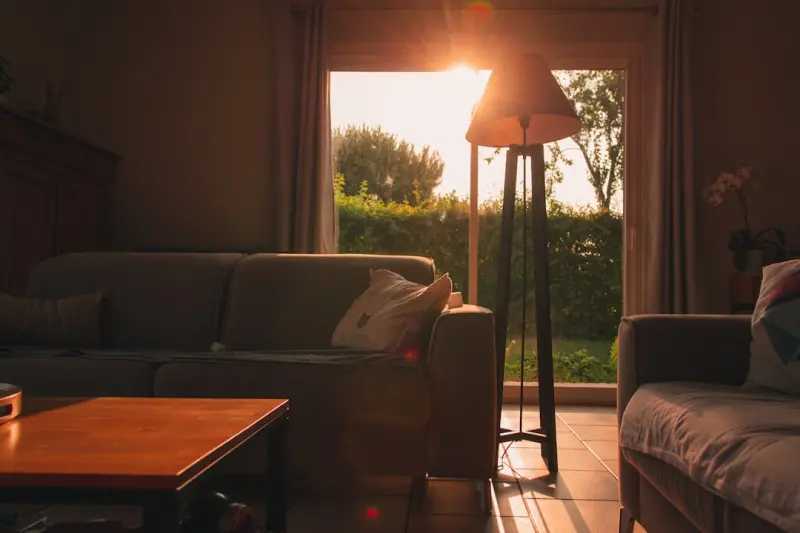
Let the Sun In: Transform Your Home with Light‑Smart Design
Learn how to map sunlight, choose optimal window dressings, use mirrors, colors, and smart controls ... Read More

Living in Motion: Turning Your Home Into a Flexible Wellness Hub
Learn practical steps to make your living space adapt to your daily rhythm, from movement audits to ... Read More

The Art of Curating Everyday Calm: Simple Home Rituals That Stick
Learn how small, intentional tweaks—like visual anchors, micro‑zones, scent routines, and mindfu... Read More
Top Posts

Travel Minimalism: How to Pack Light and Experience More
Discover the art of travel minimalism with practical packing strategies, versatile gear tips, and real‑world stories that show how lighter luggage leads to ri...Read More
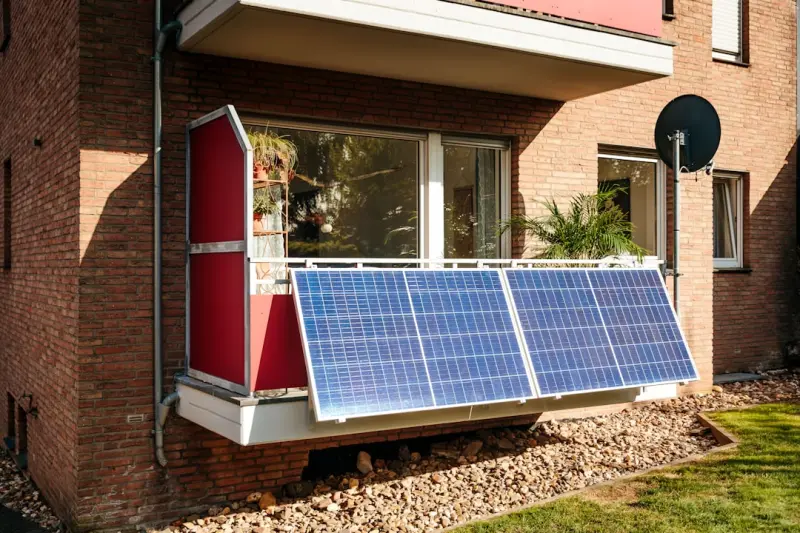
Turn Your Compact Home into a High‑Efficiency Hub
Learn how to transform a compact living space into a high‑efficiency hub using smart zoning, modular storage, low‑tech air solutions, one‑touch automation...Read More

When the Road Unfolds: Harnessing Unplanned Moments for Creative Travel
Explore the power of unplanned moments on the road, turning chance encounters into lasting creative memories....Read More
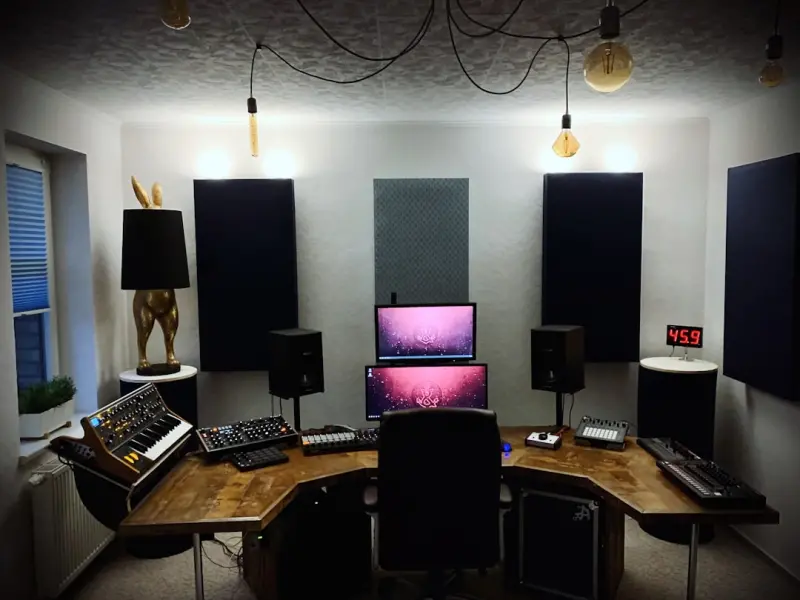
Quiet Corners: Mastering Home Acoustics for Better Focus
Learn how to transform noisy rooms into acoustic havens with rugs, curtains, DIY panels, plants, and smart layout tips—boosting focus and calm without pricey ...Read More
0 Comments
Post Comment
You will need to Login or Register to comment on this post!