
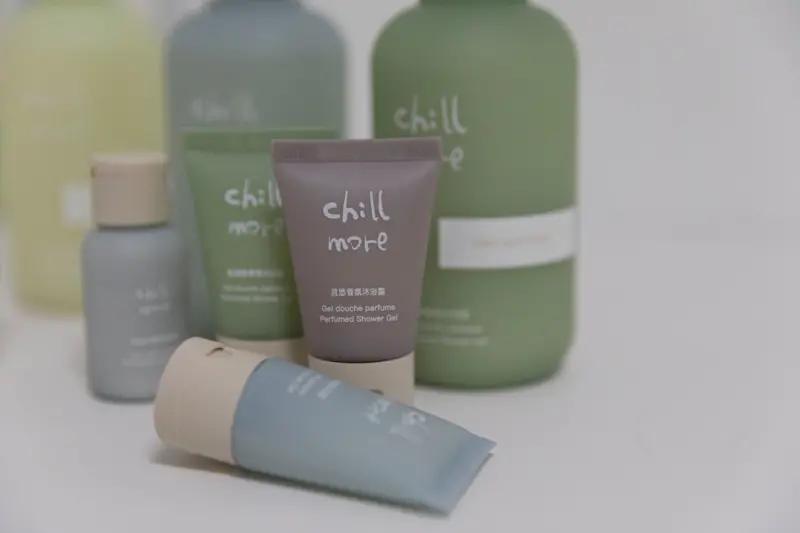
Micro‑Refresh Rituals: Tiny Personal Care Actions That Supercharge Your Day
When I first swapped a cramped cubicle for a home office, I thought I’d finally reclaimed my “me time.” Instead, the line between work and personal life blurred into an endless scroll of emails, Slack pings, and Zoom fatigue. I realized that the old mantra—“take an hour for yourself”—was unrealistic for anyone juggling back‑to‑back meetings. What I needed were micro‑refresh rituals: bite‑sized, intentional moments that slip into the flow of a busy day without derailing productivity.
These aren’t the grand, time‑consuming self‑care routines you see on glossy Instagram feeds. They’re practical, evidence‑backed, and designed for professionals who spend the majority of their waking hours glued to a screen. Below, I’ll walk you through ten micro‑refresh rituals, the science that backs them, and how you can integrate them seamlessly into your hybrid or fully remote workday.
The Philosophy Behind Micro‑Refreshes
Think of micro‑refreshes as the “sprint” version of traditional self‑care. In the world of agile development, a sprint is a short, focused burst of activity that delivers value quickly. Apply that same logic to personal care: a 30‑second breath pause, a 60‑second hand massage, a 2‑minute stretch. Each tiny act generates a disproportionate return in mental clarity, physical comfort, and emotional resilience.
Research from the Journal of Occupational Health Psychology shows that brief, regular breaks improve focus by up to 23% and reduce perceived stress levels. The key is consistency—just as you would schedule a recurring meeting, you schedule micro‑refreshes.
1. The 4‑7‑8 Breath Reset
Before you dive back into the next task, try the 4‑7‑8 breathing technique: inhale for 4 seconds, hold for 7, exhale for 8. This simple pattern activates the parasympathetic nervous system, slowing heart rate and calming the mind. Set a timer on your phone for a quick 30‑second session before each major meeting.
2. Hand‑to‑Face Facial Mist
Our faces are constantly exposed to blue light, dry air, and the occasional stray coffee splash. A quick spritz of a hydrating facial mist does more than add a refreshing scent; it restores the skin’s moisture barrier and reduces the feeling of “computer‑dry” skin. Keep a small mist bottle on your desk and give yourself a 15‑second spray before you log onto a video call. For a sensory boost, choose a mist infused with natural extracts like cucumber or rose, which also provide a subtle aromatherapy cue.
3. The “Desk‑Dock” Stretch
Long hours at a desk can lead to tight hip flexors and a slumped upper back. The “desk‑dock” stretch targets these areas in under a minute:
- Stand up, place both hands on the edge of your desk, and step back until you feel a stretch in your calves.
- Shift your weight forward, dropping your hips to feel a stretch in the hip flexors.
- Hold for 20 seconds, then roll your shoulders back and down.
Doing this every 90 minutes re‑aligns your posture and reduces lower‑back tension.
4. Eye Palming for Visual Reset
Staring at a screen for hours taxes the ciliary muscles in our eyes. A quick 30‑second palming technique can relieve eye strain:
- Rub your palms together until they feel warm.
- Gently cup your palms over closed eyes, ensuring no light leaks in.
- Take slow breaths, visualizing darkness.
Research from the American Optometric Association suggests that eye palming can reduce symptoms of digital eye strain by up to 40% when practiced consistently.
5. Aromatic Anchor Points
Smell is a powerful trigger for emotional states. Choose a single scent—citrus, peppermint, or sandalwood—to serve as your “anchor.” Whenever you catch a whiff, your brain automatically associates it with calm or focus. Keep a small essential‑oil diffuser on your workbench, and let the scent cue a micro‑reset.
6. The “Sip‑Pause” Hydration Ritual
Dehydration often masquerades as fatigue. Instead of gulping down a coffee, fill a glass with water, add a slice of lemon or cucumber, and sip mindfully for 45 seconds. The act of slowing down your intake gives your brain a brief pause to register hydration, boosting alertness without the crash that caffeine can cause.
7. Micro‑Meditation Using a Timer
Set a timer for 2 minutes and practice a guided “body scan” meditation. Start at the crown of your head and travel down to your toes, noting any tension without judgment. Even this brief interval can lower cortisol levels and improve mood, according to a study from Harvard Health Publishing.
8. Keyboard‑Free Keyboard Break
Our fingers are the most overused tools in remote work. Give them a rest by typing with a “ghost” hand—hover your fingertips just above the keys without pressing. This 10‑second exercise reduces repetitive strain and reminds your brain to disengage from the constant flow of input.
9. “Snack‑Smart” Power Bites
Swap that bag of chips for a handful of almonds, a piece of dark chocolate, or a yogurt‑based dip. The goal is a 5‑minute mindful snack: chew slowly, notice textures, and savor flavors. This practice stabilizes blood sugar, preventing the mid‑afternoon slump.
10. Digital Sunset
Before you wrap up the workday, initiate a “digital sunset” by dimming screen brightness, turning on warm‑tone lights, and activating a blue‑light filter. Pair this with a quick sleep‑ready routine—perhaps a brief reading of a non‑screen book or a gentle stretch. Your brain receives a clear signal that it’s time to transition from “work mode” to “rest mode.”
Integrating Micro‑Refreshes Into Your Calendar
Automation is your ally. Use calendar blocks titled “Micro‑Refresh #1,” “Micro‑Refresh #2,” etc., and set them to repeat daily. Pair each block with a reminder notification that includes a short, actionable tip (e.g., “Take a 30‑second hand massage”). By treating these moments as non‑negotiable appointments, you protect them from the inevitable meeting avalanche.
Tracking Impact With Simple Metrics
If you’re data‑driven (and who isn’t in 2024?), track a few key metrics to see the ROI of micro‑refreshes:
- Focus Score: Rate your concentration on a 1‑10 scale before and after a micro‑refresh.
- Energy Level: Log a quick “energy meter” rating every two hours.
- Physical Comfort: Note any reductions in neck, shoulder, or eye discomfort.
After two weeks, compare averages. Most professionals notice a 15‑20% boost in focus scores and a noticeable dip in reported discomfort.
Tech‑Enabled Personal Care: The AI Assistant
Emerging AI assistants can now prompt you for micro‑refreshes based on biometric data from smart watches or even your keyboard typing speed. Imagine an AI that detects a rise in heart rate and gently suggests a 4‑7‑8 breath reset. While the tech is still nascent, early adopters are already reporting higher productivity and lower stress.
Conclusion: The Cumulative Power of Small Wins
Micro‑refresh rituals are the unsung heroes of personal care in a hyper‑connected work environment. By stitching together these tiny, purposeful actions, you create a resilient daily rhythm that protects your mental, physical, and emotional well‑being. The beauty lies in the simplicity—no need for lengthy spa days or elaborate wellness retreats. Just a handful of seconds, repeated consistently, can transform a chaotic workday into a series of manageable, energizing moments.
Give yourself permission to pause. Your future self (and your inbox) will thank you.

Sanji Patel has dedicated 25 years to the SEO industry. As an expert SEO consultant for news publishers, he emphasizes providing both technical and editorial SEO services to news publishers worldwide. He frequently speaks at conferences and events globally and offers annual guest lectures at local universities.
Related Posts
Redefining Personal Care: A High‑Performance Routine for the Modern Professional
Learn how to build a high‑performance personal care routine that blends micro‑resets, adaptive h... Read More
Night‑Time Skincare Meets Wearable Tech: A New Frontier
A data‑driven night‑time skincare routine that blends wearable insights, optimal environment, an... Read More
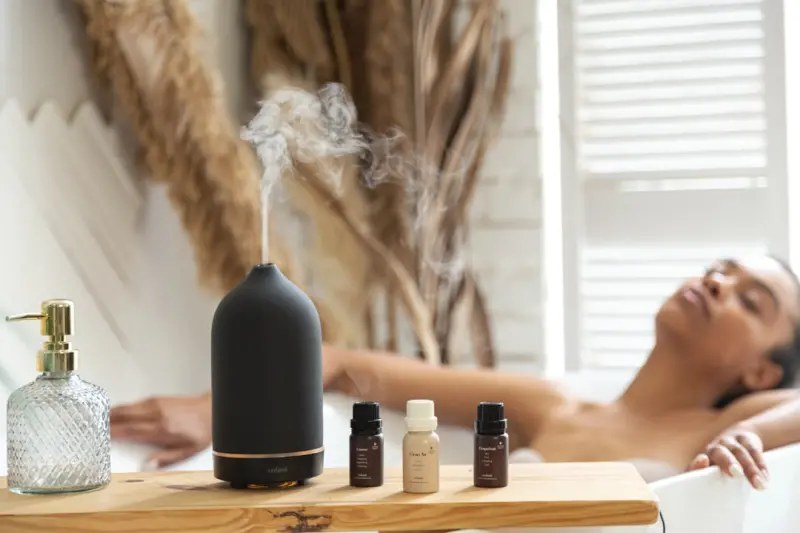
Scent‑Driven Self‑Care: How Aromatherapy Can Upgrade Your Daily Routine
Aromatherapy isn’t just a luxury; it’s a functional tool for modern professionals. Learn how spe... Read More
Top Posts

Chasing the Uncharted Railway: A Journey Through Forgotten Tracks
A traveler uncovers the charm of obscure train lines, sharing stories of spontaneous connections, historic echoes, and the art of minimalist adventure....Read More

Turning Every Trip into a Living Laboratory
Discover a fresh travel perspective: design small experiments on the road to deepen cultural connections, spark creativity, and bring actionable insights back h...Read More
Illuminating Your Routine: How At‑Home Light Therapy Can Transform Personal Care
Explore the science behind red, blue, and near‑infrared light therapy, learn how to set up a home light lab, and see how this emerging personal care tool can ...Read More
Micro‑Rituals for Radiant Skin and Calm Minds
Learn the power of micro‑rituals: easy DIY serum recipes, mindful breathing, and sensory cues that boost skin health and calm the mind, all in a sustainable d...Read More
0 Comments
Post Comment
You will need to Login or Register to comment on this post!