
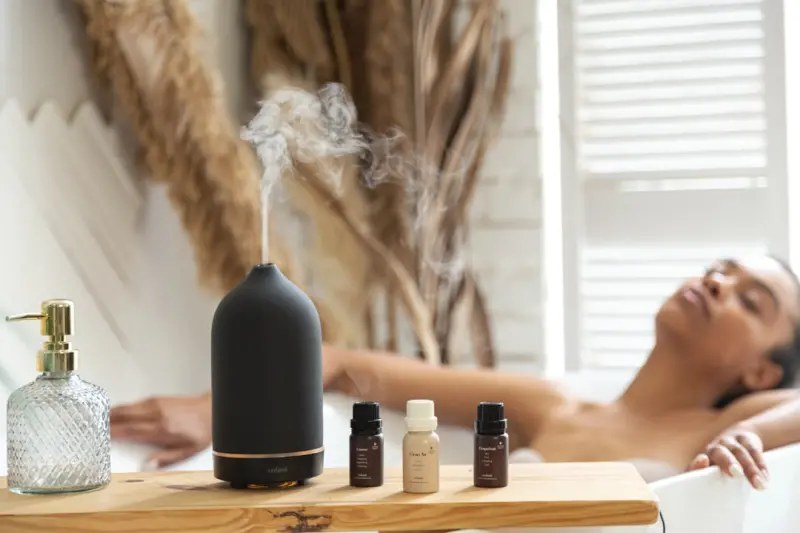
Why Scent Matters More Than You Think
When I first stepped into my home office after a marathon of virtual meetings, the faint aroma of citrus from a small diffuser greeted me. Instantly, my brain shifted from the fog of endless Zoom calls to a clearer, more energized state. This tiny sensory cue—often dismissed as a “nice touch”—is actually a powerful lever for personal well‑being. In the high‑velocity world of modern professionals, we tend to prioritize visible tools: apps, wearables, and productivity hacks. Yet the invisible chemistry of scent can silently reshape focus, mood, and even resilience. Below, I’ll walk you through the science, practical applications, and a few simple rituals that let you harness aromatherapy without adding complexity to your already busy schedule.
The Science Behind Smell and the Brain
Unlike vision or hearing, the olfactory system has a direct line to the limbic system—the brain’s emotional hub. This shortcut explains why a whiff of pine can instantly evoke a sense of calm, while the sharp sting of peppermint can jolt alertness. Researchers have shown that certain essential oils trigger the release of neurotransmitters such as serotonin and dopamine, which regulate mood and motivation. Moreover, the olfactory bulb is one of the few brain regions that continues to produce new neurons throughout adulthood, suggesting that scent exposure can subtly influence neuroplasticity.
What’s fascinating is that these effects are not just anecdotal. A handful of peer‑reviewed studies demonstrate that lavender reduces cortisol levels during stressful tasks, while rosemary enhances short‑term memory performance. The key takeaway? Scent isn’t a decorative add‑on; it’s a functional component of a high‑performance personal care regimen.
Choosing the Right Scents for Different Moments
Just as you wouldn’t wear a tuxedo to a beach picnic, you shouldn’t use the same aroma for every situation. Here’s a quick guide to match fragrance families with common work‑day scenarios:
- Citrus (lemon, orange, bergamot) – Ideal for morning kick‑starts and creative brainstorming. The bright notes stimulate dopamine, sharpening focus.
- Herbaceous (rosemary, eucalyptus) – Perfect for deep‑work blocks where sustained concentration is essential. These scents have been linked to improved memory recall.
- Floral (lavender, ylang‑ylang) – Best for winding down after intense meetings or for pre‑sleep routines. They help lower heart rate and ease anxiety.
- Spicy/earthy (cinnamon, sandalwood) – Useful for moments when you need a confidence boost, such as presentations or negotiation calls.
Experimenting with these pairings can feel like a personal alchemy project. Keep a small notebook of which aromas produce the most noticeable shift in your energy, and you’ll build a bespoke scent library tailored to your workflow.
Integrating Aromatherapy into a Busy Schedule
One of the biggest barriers to adopting new self‑care practices is perceived time commitment. Fortunately, scent can be woven into existing habits:
- Desk Diffusers: Compact, USB‑powered diffusers slip right into your laptop bag. Fill them with a blend of citrus and peppermint for a mid‑morning boost.
- Roll‑On Essential Oils: Apply a dab to pulse points (wrists, temples) before a big call. This portable method works even in shared office spaces.
- Scented Post‑It Notes: Lightly dab a drop of lavender oil on the back of a sticky note for a calming reminder during stressful afternoons.
- Smart Home Integration: Sync your smart speaker with a timed scent release. Pair a lavender burst with your evening “wind‑down” playlist to cue your body for rest.
These micro‑moments add up, creating a cumulative effect that can keep stress at bay without demanding a separate “self‑care block” on your calendar.
When Technology Meets Aroma
Speaking of smart integration, you might recall my recent exploration of night‑time skincare technology. The same principle—leveraging wearables to personalize routines—applies to scent. Emerging devices can now detect your heart rate variability and automatically diffuse a calming or invigorating aroma accordingly. Imagine a headset that senses rising cortisol during a tense negotiation and releases a subtle hint of bergamot to help you stay composed.
While the market is still in its infancy, early adopters report a noticeable reduction in “decision fatigue.” By offloading the choice of when to take a breath or stretch, these systems let you focus on the task at hand, reinforcing the idea that personal care can be both effortless and data‑driven.
Pairing Scent with Other Mood‑Boosters
Aromatherapy shines brightest when it complements other evidence‑based practices. Here are three combinations that amplify results:
- Scent + Breathwork: Inhale deeply for four counts, hold for four, exhale for six while a diffuser releases rosemary. This synchrony maximizes oxygen flow and mental clarity.
- Scent + Laughter: Laughter triggers endorphin release, and when paired with citrus, the combined effect can lift mood faster than either alone. For a quick pick‑me‑up, try a short humor clip while your desk diffuser emits orange oil. (Read more about the laughter’s health benefits.)
- Scent + Light Therapy: Pair a cool, blue‑tinted lamp with peppermint in the morning to combat grogginess, or use a warm amber light with lavender in the evening to signal relaxation.
These pairings turn ordinary moments into intentional rituals, reinforcing the neural pathways that associate specific scents with desired states.
Creating a Personalized Aromatherapy Toolkit
Building a scent kit doesn’t require a pharmacy‑sized inventory. Start simple:
- Identify Your Core Needs: List the top three moments where you feel drained or unfocused.
- Select Corresponding Oils: Choose one uplifting (citrus), one focusing (herbaceous), and one calming (floral) oil.
- Choose Delivery Methods: A portable diffuser for your desk, a roll‑on bottle for travel, and a smart plug for home evenings.
- Test and Iterate: Use each scent for a week, noting subjective energy levels, productivity metrics, and stress markers.
Over time, you’ll refine a system that feels as natural as your morning coffee—only healthier for both mind and body.
Potential Pitfalls and How to Avoid Them
Even the best intentions can backfire if you overlook a few practical considerations:
- Allergies: Always patch‑test a new oil on a small skin area before widespread use.
- Over‑Stimulation: Strong scents can become distracting. Keep concentrations low; a few drops per hour is often sufficient.
- Environmental Impact: Opt for sustainably sourced, organic essential oils to reduce ecological footprints.
- Workspace Policies: In shared offices, be mindful of colleagues’ sensitivities. A personal roll‑on is a discreet alternative to open diffusers.
By addressing these concerns early, you’ll ensure that your scent strategy remains a positive, inclusive part of the work environment.
Measuring Success: Data‑Driven Self‑Care
If you love metrics as much as I do, consider tracking the impact of aromatherapy on your performance. Simple tools like a daily mood log or a productivity timer (e.g., Pomodoro) can reveal patterns. For instance, you might notice a 15% increase in tasks completed during blocks where rosemary was diffused. Over weeks, these insights help you fine‑tune your aromatic “playlist,” turning an intuitive practice into a quantifiable advantage.
Remember, the goal isn’t to create a rigid regimen but to develop an adaptable framework that supports you when you need it most.
Wrapping Up: The Subtle Power of Scent
Personal care often conjures images of elaborate routines or expensive gadgets. Yet the most effective upgrades can be invisible, carried on a breath of fragrant air. By integrating scent into your daily flow—whether through a discreet roll‑on before a pitch or a smart diffuser that reacts to your stress levels—you add a layer of subconscious support that enhances focus, mood, and resilience.
In the end, it’s about honoring the small, sensory details that make you feel human amid a digital avalanche. So the next time you step into your workspace, consider greeting yourself with a purposeful aroma. Your brain, body, and bottom line will thank you.

Margaret Thomson is a seasoned freelance writer specializing in the dynamic worlds of marketing and advertising. With a career deeply rooted in the marketing field, Margaret brings a wealth of practical experience and insightful knowledge to her writing.
Related Posts
Beyond Soap: How Smart Personal Care is Redefining Daily Rituals
Explore the emerging world of smart personal care, where wearable skin sensors and AI-driven insight... Read More
Sensory Reset: How Scent and Touch Can Supercharge Your Personal Care Routine
A quick, science‑backed sensory reset—using essential oils and gentle scalp or hand massage—ca... Read More
Redefining Personal Care: A High‑Performance Routine for the Modern Professional
Learn how to build a high‑performance personal care routine that blends micro‑resets, adaptive h... Read More
Top Posts

The Quiet Health Engine: Harnessing Daily Gratitude for Better Well‑Being
A daily gratitude habit may seem modest, but its impact on brain chemistry, hormone balance, and immune function is profound. Learn how to integrate this simple...Read More
Talent‑First Blueprint: Redesigning Work for People, Not Processes
A Talent‑First Blueprint flips traditional hierarchies, focusing on personalized growth, dynamic pods, and holistic well‑being to boost engagement, retentio...Read More

Storytelling as Therapy: Rewriting Your Inner Narrative for Better Mental Health
Discover the power of personal storytelling as a mental‑health strategy, with simple prompts, collaborative circles, and creative techniques to turn everyday ...Read More

Transform Your Small Balcony into a Year‑Round Green Retreat
Discover practical steps to convert a modest balcony into a vibrant, year‑round green sanctuary using modular planters, seasonal plant swaps, sustainable prac...Read More
0 Comments
Post Comment
You will need to Login or Register to comment on this post!