
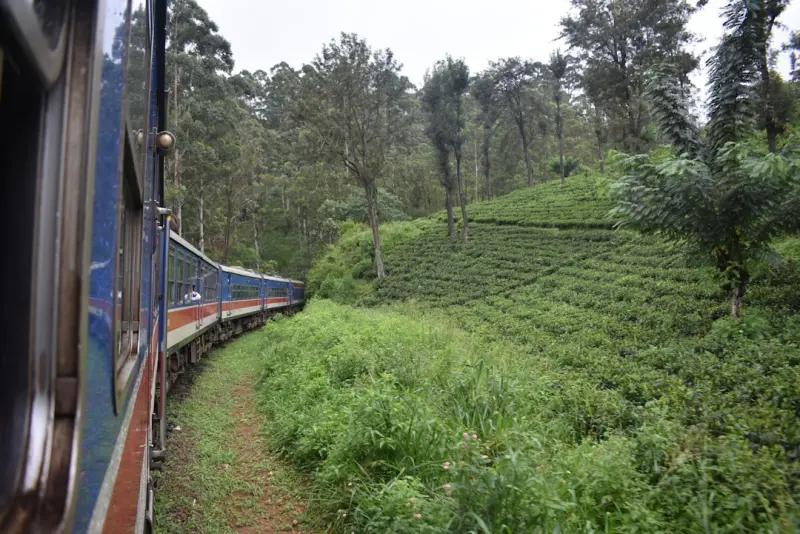
Finding the Rhythm on Forgotten Rails
There is a peculiar thrill that bubbles up when you step onto a platform that most travelers have never heard of, the air thick with the scent of rusted steel and distant pine, and the echo of a locomotive long since retired from the mainstream timetable begins to whisper promises of untamed scenery and stories etched in the very tracks beneath your feet; I remember the first time I boarded a creaking carriage that seemed to glide between valleys that no guidebook bothered to chart, and the landscape unfolded like a living tapestry, each bend revealing hidden waterfalls, abandoned villages, and fields of wildflowers swaying in a wind that felt like a secret handshake from the earth itself. The journey became less about destinations and more about the cadence of the rails, the way the train’s steady thrum resonated with my own heartbeat, urging me to listen deeply to the subtle narratives that unfold when the world slows to a gentle glide, and to savor the rare intimacy of sharing a cramped compartment with strangers who, like me, were chasing a sense of wonder that mainstream routes simply cannot provide. Travel by train on lesser‑known lines invites a meditation on motion, a reminder that adventure often hides in the ordinary when we dare to look beyond the usual postcard frames.
Mapping the Unmarked: Planning Without a Blueprint
When I set out to trace these obscure corridors, I abandoned the habit of relying on glossy itineraries, choosing instead to sketch a loose map from scattered local anecdotes, faded postcards tucked into a thrift‑store drawer, and the occasional cryptic blog post that hinted at a hidden junction where the line split toward a forgotten lake; the process felt akin to assembling a puzzle with pieces that refused to fit neatly, each revelation prompting a deeper dive into regional folklore, train enthusiast forums, and the occasional conversation with an elderly stationmaster who offered a knowing grin and a weathered timetable that smelled of ink and adventure. This organic method of discovery taught me that the most rewarding routes are those that are stitched together through curiosity rather than algorithmic efficiency, and that the act of planning itself can become an adventure, as you learn to read the subtle cues of a landscape that has been quietly waiting for a traveler willing to stray from the well‑trodden path. In the end, the map I carried was less a static document and more a living diary, constantly updated by the murmurs of the rails and the quiet encouragement of those who have walked these tracks before.
Embracing the Unpredictable: When Trains Run Late
One of the most unforgettable moments arrived when a storm rolled across the hills, turning the sky an angry slate and forcing the vintage locomotive to pause at a remote siding for hours, the passengers huddled together under flickering lanterns while the wind rattled the windows, and I found myself striking up conversations with a wandering photographer, a retired schoolteacher, and a young backpacker whose laughter echoed through the carriage despite the gloom; the delay transformed the journey from a simple transit into a spontaneous gathering of stories, each person sharing fragments of their own quests, from searching for a hidden temple in distant lands to chasing the perfect sunrise over a desert dune. In that suspended moment, the train became a microcosm of the world, a moving sanctuary where time stretched and the ordinary was infused with an unexpected magic, reminding me that the true essence of travel lies not in the speed of arrival but in the richness of the interludes that punctuate the path. The rain eventually ceased, the tracks cleared, and as the engine chugged forward, the collective memory of that pause lingered like a warm ember, fueling future journeys with a newfound appreciation for the beauty of the unplanned.
Connecting with Locals: The Unwritten Hospitality
Each station along the forgotten line seemed to hold a small universe of hospitality that defied any brochure, from a tiny kiosk where a grandmother offered steaming bowls of broth seasoned with herbs I could not name, to a modest tea house perched on a hill where the owner greeted me with a nod and a freshly baked pastry that crumbled like cloud‑softened sugar, and I quickly learned that a simple smile or a willingness to linger a moment longer could unlock doors to experiences that no travel app could ever catalog; I remember stepping off at a moss‑covered stop where a local artisan invited me into his workshop, showing me how to weave baskets from reeds harvested from the riverbank, each twist of the fibers a lesson in patience and respect for the natural rhythms that govern his craft. These encounters reinforced a timeless truth: that genuine connection is forged not through grand gestures but through humble exchanges, and that the spirit of a place can be felt most keenly when you allow yourself to be invited into the everyday lives of its people, sharing meals, stories, and moments of quiet reflection that linger long after the train has carried you away.
Listening to the Landscape: Soundtrack of the Rails
As the train snaked through dense forests, across soaring bridges, and over mist‑cloaked valleys, the soundscape evolved into a symphony that seemed orchestrated by the land itself; the rhythmic clack of wheels against aged rails blended with the distant call of an eagle, the rustle of leaves stirred by a gentle breeze, and the occasional low rumble of a hidden waterfall that hinted at hidden treasures downstream, creating an auditory map that guided my imagination far beyond the windows. I found myself closing my eyes at times, letting the cadence of the journey paint vivid pictures in my mind: a lone fisherman casting his line at sunrise, a herd of deer slipping silently through a meadow, and the soft glow of lanterns in a distant village as night fell, each note weaving a narrative that felt both intimate and expansive. This immersive soundtrack reminded me that travel is as much about listening as it is about seeing, and that the subtle layers of sound can reveal hidden emotions and connections, turning a simple ride into a meditation on the ever‑changing pulse of the world.
Finding Solace in Simplicity: Minimalist Travel Gear
To truly honor the understated elegance of these hidden routes, I stripped my luggage down to the essentials, packing only a weather‑proof journal, a compact camera, a pair of sturdy boots, and a single versatile scarf that could double as a blanket on chilly evenings, discovering that the act of traveling light forced me to focus on the experiences themselves rather than the comforts of excess; each item became a trusted companion, and the space left in my pack invited spontaneous souvenirs—small stones from a riverbed, a pressed leaf from a roadside meadow, or a handwritten note from a fellow traveler—each token a reminder of the simplicity that underpinned the entire adventure. This minimalist approach also aligned with the rhythm of the train, where space is limited and the environment encourages mindfulness, allowing me to savor each moment without the distraction of clutter, and reinforcing the idea that the most profound memories often arise from the smallest gestures, like sharing a cup of tea with a stranger or watching the sunrise paint the tracks gold.
Learning From the Past: Historical Echoes Along the Tracks
The old railway line is steeped in stories of bygone eras, from the bustling trade routes that once carried miners and timber to the quiet decline as highways took precedence, and each abandoned station whispered fragments of history that I uncovered through faded signage, weathered freight crates, and the occasional plaque that commemorated a heroic rescue that took place during a snowstorm decades ago; I spent hours tracing the route on an ancient map, comparing it to the modern landscape, and feeling a profound connection to the countless souls who had boarded these same carriages, each with their own hopes, fears, and destinations. By immersing myself in this layered past, I gained a deeper appreciation for how transportation shapes cultures, economies, and personal narratives, and how the echoes of those journeys continue to reverberate in the present, reminding travelers that every path we tread is built upon the footprints of those who ventured before us. The experience transformed the railway from a mere conduit into a living museum, where each mile offered a lesson in resilience, adaptation, and the timeless human desire to explore.
Sharing the Journey: Social Connections in the Digital Age
Even while traveling on a line that seemed to exist outside the bustle of modern tourism, I discovered that technology could still play a subtle yet meaningful role, especially when I used a simple messaging app to connect with a community of rail enthusiasts who shared tips, route updates, and even organized spontaneous meet‑ups at remote stations, turning solitary moments into shared experiences; one evening, after posting a photo of the twilight horizon from a deserted platform, I received an invitation from a group planning a pop‑up dinner at a historic depot, where we gathered around a fire, exchanged stories, and tasted local delicacies, forging bonds that transcended geography and time. This blend of analog adventure and digital camaraderie highlighted how modern tools can amplify the sense of belonging without detracting from the authenticity of the journey, and reminded me that the spirit of travel thrives on both personal introspection and communal celebration. In this way, the railway became a bridge not only between places but also between people, linking strangers through shared curiosity and the simple joy of being on the move.
Reflecting on the Return: Lessons Carried Home
When the final stop arrived and the train's whistle faded into the night, I found myself contemplating the myriad ways the expedition had reshaped my perspective, from a renewed respect for the quiet power of uncharted routes to a deeper understanding of how slowing down can reveal layers of culture and nature that rush‑filled itineraries often overlook; the journey taught me that travel is not solely about ticking destinations off a list but about cultivating an open heart that embraces uncertainty, listening intently to the stories whispered by the wind, the rails, and the people who call these hidden places home. I also realized that the simplicity I practiced—traveling light, engaging earnestly with locals, and allowing the rhythm of the train to dictate the pace—could be applied to everyday life, encouraging a mindful approach to work, relationships, and personal growth. As I stepped onto the bustling streets of my hometown, the echo of the locomotive lingered in my mind, a reminder that the world is full of undiscovered tracks waiting for curious travelers to breathe life into them once more.
Further Inspiration and Resources
For those intrigued by the idea of stepping off the beaten path and exploring the subtle magic of lesser‑known rail journeys, consider delving into stories about taking a purposeful pause, which explores how intentional breaks can open doors to unexpected adventures, or discover the insights offered by exploring flexible work ecosystems, a piece that sheds light on how modern professional landscapes can align with wanderlust. These reads, while not directly about travel, echo the same spirit of curiosity and purposeful detours that fueled my own railway odyssey, providing fresh perspectives on how to integrate exploration into every facet of life. Let the rails call to you, and may your next journey be as enriching and transformative as the one that sparked this tale.

Brad Hays is a freelance writer known for his versatile skill set and ability to craft compelling content across a wide range of industries.
Related Posts
When the Airport Becomes a Playground: Harnessing Unexpected Transit Moments for Personal Growth
Discover how embracing the unexpected moments in airports can transform idle layovers into powerful ... Read More
Microadventures: Small Escapes, Big Transformations
Microadventures let you explore nearby wonders in short, intentional bursts—boosting creativity, w... Read More

Flavor Trails: Turning Every Meal Abroad into a Cultural Compass
Exploring travel through food offers a direct line to a culture’s history, community, and health. ... Read More
Top Posts

How Personal Analytics Can Accelerate Your Career Growth
Learn to turn everyday performance data into a powerful career accelerator, from building dashboards to negotiating raises with hard evidence....Read More

Why the First 90 Days Define a Modern Employee‑Employer Relationship
The first 90 days shape an employee’s long‑term success. This post explores neuroscience, data‑driven onboarding, cultural rituals, and future‑proof tac...Read More

Reverse Mentorship: A New Growth Engine for Employees
Reverse mentorship flips the traditional mentor‑mentee model, letting junior staff guide senior leaders. This article outlines why it matters, how to start, a...Read More

Microadventures: How Tiny Escapes Transform Everyday Life
Explore the power of microadventures: short, intentional outings that refresh your mind, connect you with locals, and leave a light environmental footprint....Read More
0 Comments
Post Comment
You will need to Login or Register to comment on this post!