
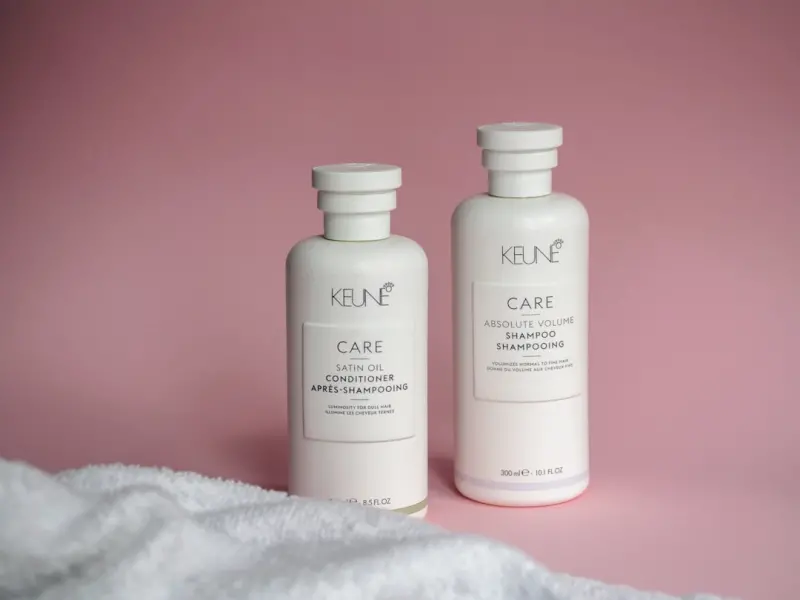
Why Personal Care Matters Beyond the Spa
When the word “personal care” pops up in a boardroom conversation, most people picture a quick facial or a weekend spa retreat. In reality, personal care is the silent engine that fuels sustained performance, mental clarity, and emotional resilience—especially for professionals juggling back‑to‑back meetings, deadline pressure, and the ever‑present pull of digital notifications. It’s not about indulgence; it’s about strategic maintenance. Think of your body as a high‑precision instrument. If you neglect the fine‑tuning, the output degrades, and the wear‑and‑tear becomes evident in the form of fatigue, skin flare‑ups, and a foggy mind.
Recent research shows that a well‑designed self‑care protocol can improve decision‑making speed by up to 12% and lower cortisol spikes during high‑stress periods. The upside? Better client interactions, sharper problem‑solving, and a healthier bottom line. So, let’s move past the notion of personal care as a luxury and reframe it as a competitive advantage.
The Four Pillars of a High‑Performance Routine
Building a routine that actually sticks requires a framework that aligns with the way our brains are wired. I’ve distilled the most effective practices into four pillars: Micro‑Reset, Adaptive Hydration, Skin‑Smart Nutrition, and Tech‑Assisted Recovery. Each pillar addresses a specific physiological need while staying lightweight enough to integrate into a busy schedule.
- Micro‑Reset: Short, intentional pauses that recalibrate your nervous system. This is more than a coffee break; it’s a 60‑second breath‑reset or a quick stretch that activates the parasympathetic response.
- Adaptive Hydration: Water intake isn’t a one‑size‑fits‑all metric. Smart bottles now track electrolytes, ambient temperature, and activity levels, prompting you when you actually need a sip.
- Skin‑Smart Nutrition: Your skin is a reflection of internal biochemistry. Incorporating collagen‑boosting foods, omega‑3s, and probiotic‑rich meals can dramatically improve barrier function and reduce inflammation.
- Tech‑Assisted Recovery: Wearables that monitor HRV (heart‑rate variability) and sleep stages provide actionable data, allowing you to adjust your routine in real time.
Micro‑Reset: The Power of a 60‑Second Breath
Most of us think of “breaks” as 5‑minute coffee intervals, but science tells us that a single minute of controlled breathing can shift the autonomic balance. The simple 4‑7‑8 technique—inhale for 4 seconds, hold for 7, exhale for 8—activates the vagus nerve, lowering heart rate and cortisol. Implement this at three critical touchpoints: before a high‑stakes presentation, after a lengthy video conference, and right before you log off for the day.
Pairing this with a quick visual cue, like a desk‑top forest bathing benefits poster, can reinforce the habit. The subtle reminder of nature’s calming influence triggers a mental association, making the micro‑reset feel almost reflexive.
Adaptive Hydration: Smart Bottles Meet Smart Minds
We’ve all heard the “8 glasses a day” mantra, yet it ignores the nuances of individual sweat rates, caffeine consumption, and indoor climate control. Modern hydration devices now use sensors to estimate fluid loss in real time, prompting you with a gentle vibration when you’re truly dehydrated.
Beyond the basics, consider adding a pinch of sea salt or a magnesium‑rich electrolyte tablet during periods of intense focus. This not only restores fluid balance but also supports neural conductivity, keeping you sharp during marathon brainstorming sessions. The key is to treat hydration as a dynamic variable—adjust the dosage as the day unfolds rather than setting a static goal at sunrise.
Skin‑Smart Nutrition: Feeding the Barrier from Within
Your epidermis is a living organ that thrives on the right building blocks. While topical serums are valuable, they can’t replace the structural support that comes from inside out. Incorporate the following into your daily meals:
- Collagen‑boosting proteins: Bone broth, fish, and poultry provide the amino acids glycine, proline, and hydroxyproline.
- Omega‑3 fatty acids: Salmon, chia seeds, and walnuts fortify cell membranes, enhancing barrier resilience.
- Probiotic foods: Yogurt, kefir, and fermented veggies nurture the gut‑skin axis, reducing redness and breakout frequency.
By aligning your nutrition with skin health, you’ll notice fewer mid‑day oil flashes and a more even complexion, which translates into confidence during client calls and video presentations.
Tech‑Assisted Recovery: Leveraging Data for Restorative Sleep
Sleep is the ultimate recovery tool, yet many professionals sacrifice it for work. Wearables that track HRV, REM cycles, and ambient temperature can guide you toward a more restorative night. Use the data to fine‑tune your pre‑sleep ritual: dim the lights an hour before bed, switch off blue‑light devices, and consider a short digital minimalism strategies session to clear mental clutter.
Another emerging trend is AI‑driven soundscapes. These platforms analyze your sleep patterns and generate personalized ambient sounds that evolve throughout the night, gently nudging you toward deeper stages of sleep without the need for a full‑blown white‑noise machine.
Integrating Mindful Breaks Without Disruption
One of the biggest hurdles to adopting a high‑performance personal care routine is perceived disruption. The solution lies in embedding micro‑habits into existing workflows. For example, during a typical 30‑minute Zoom call, schedule a 30‑second “posture check” at the 10‑minute mark: roll shoulders back, align the spine, and take a single deep breath. This subtle shift improves circulation and reduces neck tension, all while keeping the meeting flow intact.
Similarly, place a small reminder card on your monitor that reads “Sip, Stretch, Smile.” The triad cue ensures you’re hydrating, moving, and resetting emotionally—three core components of personal care that collectively boost productivity.
The Human Side of Tech: Empathy Meets Personal Care
While gadgets provide data, they lack the nuanced understanding of human emotion. That’s where AI‑powered empathy tools can bridge the gap. Imagine a virtual assistant that detects signs of burnout—like prolonged screen time and reduced HRV—and gently suggests a micro‑reset or a short walk. By combining objective metrics with empathetic prompts, you create a feedback loop that respects both performance metrics and personal wellbeing.
Future‑Proofing Your Routine: The Role of Sustainable Personal Care
Looking ahead, sustainability will become a cornerstone of personal care. Biodegradable skincare packaging, refillable containers, and water‑less cleansing bars reduce environmental impact while often delivering higher concentrations of active ingredients. Choosing eco‑conscious products isn’t just a moral decision; it also aligns with the growing consumer expectation for transparency and responsibility—qualities that can enhance your brand’s credibility when you discuss personal care choices with clients.
Moreover, as remote work becomes a permanent fixture, the boundary between “home” and “office” blurs. Designing a dedicated self‑care zone—think a small, plant‑filled nook with a diffuser and a soft‑glow lamp—creates a sensory anchor that signals to your brain it’s time to unwind, even if you’re still in work attire. This spatial cue can dramatically improve the transition between high‑intensity focus and restorative downtime.
Putting It All Together: Your 24‑Hour Blueprint
Here’s a quick, actionable timeline you can start using tomorrow:
- 06:30 am – 2‑minute breath reset + light stretch.
- 07:00 am – Hydration sip (water + pinch of sea salt) while reviewing the day’s agenda.
- 08:30 am – Breakfast: Greek yogurt with chia seeds and berries (collagen + omega‑3 boost).
- 10:00 am – 30‑second posture check during the next virtual call.
- 12:00 pm – Lunch: Salmon salad with mixed greens and fermented kimchi.
- 02:30 pm – Micro‑reset: 4‑7‑8 breathing.
- 04:00 pm – Adaptive hydration alert from smart bottle.
- 06:30 pm – Light dinner, followed by a 5‑minute forest bathing benefits visualization (green screen or a quick walk outside).
- 09:00 pm – Digital minimalism strategies: turn off all non‑essential screens.
- 09:30 pm – Bedtime: AI‑driven soundscape, breathing exercise, and HRV check.
Adjust the timings to suit your own rhythm, but keep the structure intact: micro‑reset → hydration → nutrition → tech‑assisted recovery. Over time, these habits will become second nature, and you’ll notice a tangible lift in energy, focus, and overall wellbeing.
Conclusion: Personal Care as a Competitive Edge
In a world where the next big idea can emerge from a 3‑minute coffee break, the real differentiator is how well you maintain the engine that drives those ideas. By integrating science‑backed micro‑habits, adaptive technology, and sustainable product choices, you turn personal care into a strategic asset rather than a fleeting indulgence. The result? A sharper mind, healthier skin, and the confidence to tackle any challenge—whether it’s a client pitch, a product launch, or the inevitable Zoom marathon that defines modern professional life.

Ryan Stuart is a seasoned freelance features writer, editor, and professional photographer with a passion for exploring the world and capturing its beauty through words and images.
Related Posts
The Quiet Revolution of Adaptive Skincare: Products That Learn From You
Adaptive skincare blends sensors, AI, and personal rituals to create products that adjust to your sk... Read More
Beyond Clean: How DNA-Driven Haircare is Rewriting Your Routine
Discover the emerging world of DNA‑driven haircare, where genetic testing informs bespoke formulas... Read More
Reimagining Daily Personal Care: Tiny Rituals for Big Well‑Being
Learn how to transform everyday personal care tasks into intentional, sensory‑rich rituals that ca... Read More
Top Posts
Micro‑Movements: Tiny Exercise Hacks for a Healthier Workday
Micro‑movements—short, purposeful actions like stretches, calf pumps, and desk‑side squats—offer powerful health benefits for anyone glued to a screen. ...Read More
Smart Skincare: Wearables That Personalize Your Beauty Routine
Wearable devices now translate biometric data into personalized grooming advice, merging technology, sustainability, and mindfulness for a smarter, waste‑free...Read More
AI‑Driven Career Navigation: Turning Data Into Your Next Big Move
Explore how AI-powered skill maps, transparent pay data, and immersive collaboration hubs are redefining career paths, empowering professionals to take control ...Read More
Why Internal Talent Marketplaces Are the Secret Sauce of Modern Employment
Internal talent marketplaces turn employees into dynamic resources, fostering cross‑functional growth, faster project delivery, and higher retention in the fa...Read More
0 Comments
Post Comment
You will need to Login or Register to comment on this post!