
Night‑Time Skincare Meets Wearable Tech: A New Frontier
When the day’s demands finally release their grip, most professionals think of “unwinding” as a simple switch‑off of the laptop and a quick scroll through social media. In reality, that transition is a golden window for a personal care strategy that can supercharge recovery, sharpen cognition, and protect the skin that’s constantly battling blue‑light exposure. I’ve spent the past few years blending the science of dermatology with the precision of wearable technology, and what I’ve discovered is a routine that does more than moisturize—it rewires how our bodies repair themselves while we sleep.
Why the Night Is the Most Critical Time for Skin
Our skin isn’t just a passive barrier; it’s a living organ that follows its own circadian rhythm. During the deep phases of sleep, the skin ramps up collagen synthesis, flushes out toxins, and restores its lipid barrier. Disrupt this rhythm, and you’ll notice dullness, fine lines, and a weakened defense against environmental pollutants.
But the modern professional often sacrifices sleep quality for deadlines, caffeine, and the glow of a screen. The result? A mismatch between the body’s internal clock and the external demands placed upon it. The solution lies in a two‑pronged approach: optimizing the physiological environment for skin repair and leveraging data from wearables to fine‑tune the process.
Step 1: Set the Stage with Light, Temperature, and Sound
Before you even think about serums, consider the environment you create in your bedroom. Research shows that blue light suppresses melatonin production, which in turn stalls the skin’s overnight regeneration. A simple blue‑light filter on your devices or a smart lighting system set to warm amber tones can help preserve melatonin levels.
Temperature also plays a crucial role. A room that’s too warm can cause micro‑sweating, leading to clogged pores, while a room that’s too cold can hinder blood flow. Aim for a consistent 65–68°F (18–20°C) to promote vasodilation without excessive perspiration.
And don’t underestimate the power of sound. Gentle, low‑frequency tones (think binaural beats or soft nature sounds) can deepen the slow‑wave phase of sleep, where skin repair is at its peak. If you’re skeptical about ambient noise, try a sound‑focused routine that has already proven its worth for mental health in the workplace.
Step 2: Use Wearable Data to Personalize Your Routine
Here’s where technology enters the fray. Modern wearables now track not only heart rate and steps but also skin temperature, electrodermal activity, and even oxygen saturation. By syncing this data with a dedicated skincare app, you can receive actionable insights such as:
- Optimal serum absorption window – based on skin hydration levels measured throughout the night.
- Custom sleep stage alerts – prompting you to adjust your breathing or posture when you’re stuck in light sleep.
- Environmental stressors – alerts when humidity or indoor pollutants rise above healthy thresholds.
For example, if your wearable detects that you’re spending an unusually long time in REM sleep, you might prioritize antioxidant serums that combat oxidative stress. Conversely, a prolonged period of light sleep could signal a need for breathing techniques to deepen sleep quality.
Step 3: The Layered Skincare Stack
Once your environment and data are aligned, it’s time to apply the products. Think of your night‑time routine as a layered stack, each with a distinct purpose:
- Cleanse gently – Use a low‑pH, enzyme‑based cleanser to remove the day’s grime without stripping the skin’s natural acids.
- Targeted serum – Choose based on your wearable’s feedback. If your skin temperature spikes, a peptide serum that stabilizes heat‑induced inflammation is ideal.
- Moisturizer with ceramides – Reinforces the lipid barrier, essential for trapping the serums underneath.
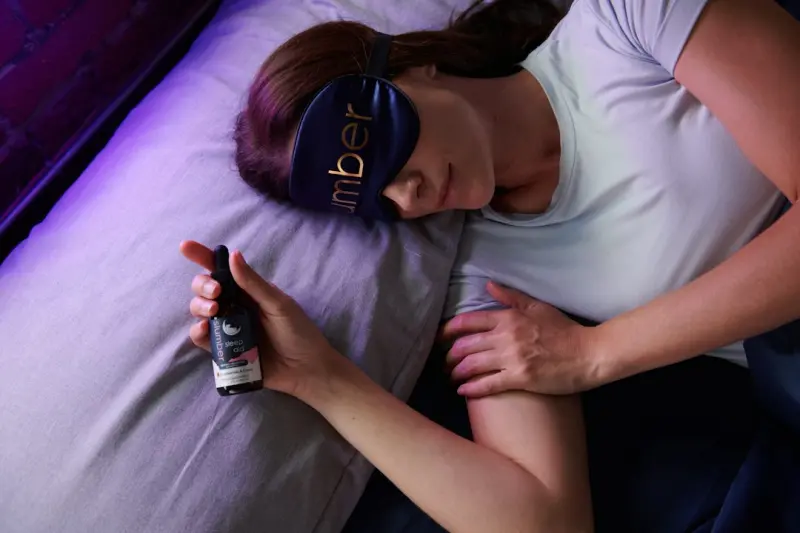
- Sleep mask (optional) – A breathable, silicone‑gel mask can create a micro‑climate that prevents trans‑epidermal water loss.
Remember, less is more. Over‑loading your skin with products can create a barrier that actually impedes absorption, negating the benefits of the data‑driven approach.
Step 4: Integrate Micro‑Movements for Lymphatic Flow
While you’re lying down, a few subtle movements can boost lymphatic drainage, helping to clear metabolic waste from the skin. Simple techniques include:
- Gently tapping the face with fingertips in upward motions.
- Performing a “neck roll” to encourage drainage from the jawline.
- Lightly massaging the scalp to stimulate blood flow to hair follicles.
These micro‑movements are short enough to fit into even a 30‑minute wind‑down period and have the added benefit of reducing tension headaches—an all‑too-common side effect of prolonged screen time.
Step 5: Nutrition Meets Nighttime Care
What you consume before bed influences skin repair. A snack rich in tryptophan (like a banana or a handful of almonds) can boost melatonin, while a small dose of omega‑3 fatty acids supports the skin’s barrier function. If you’re looking for a convenient option, a nightly “skin‑fuel” smoothie with kale, blueberries, and a scoop of collagen peptide can be a game‑changer.
Step 6: Review and Refine – The Feedback Loop
After a week of consistency, revisit the data from your wearable. Look for trends:
- Did your skin hydration improve?
- Are you waking up feeling more refreshed?
- Is there a noticeable reduction in morning puffiness?
If the answers are mixed, adjust one variable at a time. Maybe your room temperature needs fine‑tuning, or perhaps you need a different serum concentration. The iterative nature of this process mirrors how you would optimize a software product—test, measure, and iterate.
Beyond the Bedroom: Extending Benefits to Daytime Performance
The advantages of a data‑driven night‑time skincare routine don’t end when you open your eyes. Better sleep quality translates to sharper focus, reduced cortisol levels, and a more resilient immune system—all crucial for high‑performance professionals. Moreover, a well‑maintained skin barrier means fewer distractions from breakouts or irritation during client calls.
Integrating this routine also fosters a mindset of self‑care that can permeate other aspects of life. When you prioritize the minutiae of your skin’s health, you’re more likely to extend that attention to project management, team dynamics, and strategic planning.
Future Outlook: AI‑Enhanced Skincare Coaches
We’re on the cusp of AI‑driven personal care assistants that will not only interpret wearable data but also predict skin needs days in advance. Imagine an AI that knows you have a high‑stress week ahead and pre‑emptively adjusts your nighttime serum recommendations, or one that syncs with your calendar to suggest a quick “skin reset” before a big presentation.
While that technology is still emerging, the foundations are already in place: robust wearable sensors, advanced analytics platforms, and a growing body of dermatological research. By adopting a wearable‑informed routine now, you’ll be primed to plug into these AI enhancements as soon as they become mainstream.
Putting It All Together: Your 10‑Step Night‑Time Blueprint
- Dim lights and switch devices to night mode at least 30 minutes before bed.
- Set bedroom temperature to 66°F (19°C) and introduce a low‑frequency soundscape.
- Sync your wearable with a skincare app to receive nightly insights.
- Perform a gentle facial cleanse using an enzyme‑based formula.
- Apply a targeted serum based on your wearable’s feedback.
- Seal in moisture with a ceramide‑rich moisturizer.
- Optional: Slip on a breathable sleep mask for added hydration.
- Engage in 2‑minute micro‑movements for lymphatic flow.
- Consume a tryptophan‑rich snack and omega‑3 source before sleeping.
- Review wearable data each morning and adjust as needed.
Implementing this blueprint may feel like a commitment, but the payoff is measurable: clearer skin, better sleep, and a subtle yet powerful edge in your professional life.
Final Thoughts
Personal care isn’t a luxury—it’s a strategic lever for performance. By marrying the timeless principles of nighttime skin repair with the precision of modern wearables, you create a feedback‑rich system that continuously optimizes both appearance and well‑being. Give this approach a try for a few weeks, and you’ll likely find that the confidence boost from healthy skin is just the beginning of the ripple effect across your work and personal life.

Dale Peterson is a freelance writer with a passion for technology, travel, law and personal finance. With 10 years of experience crafting compelling and informative content, he's dedicated to delivering high-quality writing for Blogging Fusion that engages audiences and achieves specific goals.
Related Posts

Fermented Skincare: Turning Kitchen Culture into Radiant Skin
Explore the science and DIY steps behind fermented skincare, learning how probiotic-rich formulas fr... Read More

Scent‑Smart Self‑Care: How AI‑Curated Aromas Are Redefining Personal Routines
Explore the emerging world of AI‑curated aromatics that adapt to your physiological cues, turning ... Read More
Why Less Is More: Building a Capsule Personal Care Routine
A capsule personal care routine pares down products to four essential pillars—cleanse, condition, ... Read More
Top Posts

How Garden Desks Are Transforming Employment: Rose DesRochers' Insight
Rose DesRochers reveals how swapping a cubicle for a garden desk reshapes productivity, health, and company culture, offering a practical guide to the green wor...Read More

The Hidden Power of Everyday Home Tweaks: Boost Comfort, Save Money, and Feel More Alive
Small, intentional adjustments—like optimizing light, sealing drafts, adding greenery, and creating micro‑digital‑free zones—can dramatically improve co...Read More

Cold Water Immersion at Home: Unlocking Immunity and Focus
A practical guide to home cold water immersion shows how brief, regular icy dips can boost circulation, activate brown fat, and improve mental resilience, all w...Read More

Smart Garden Revolution: An Intelligent Yard
Learn to upgrade your outdoor space with smart sensors, automated irrigation, solar lighting, and app‑controlled features, turning a simple garden into a tech...Read More
0 Comments
Post Comment
You will need to Login or Register to comment on this post!