
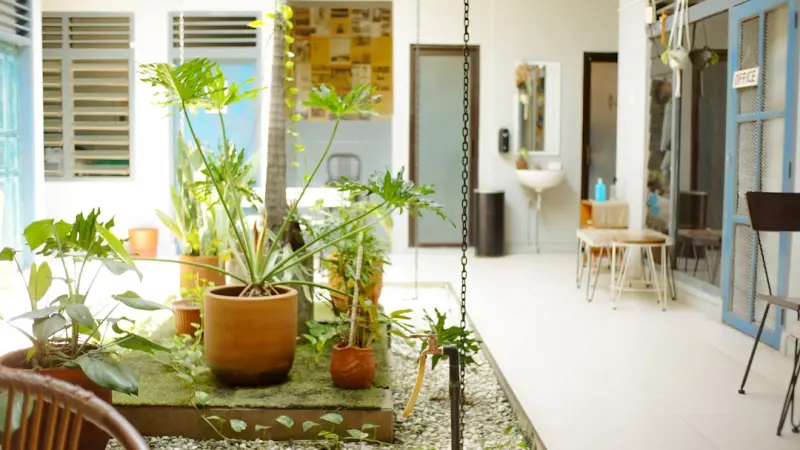
Why a Multi‑Sensory Home Oasis Is the New Essential
Ever walked into a room and instantly felt recharged—like the space itself gave you a subtle high‑five? Most of us design homes for function: a place to sleep, cook, and store things. Yet the real magic happens when we engage more than just our eyes. By weaving together scent, texture, sound, and light, you can transform any ordinary room into a personal sanctuary that fuels focus, creativity, and genuine comfort.
The Five Senses as Home Design Pillars
Think of each sense as a “design pillar.” When you balance them, the whole structure feels intentional without feeling forced.
- Smell – Aromas can calm nerves, sharpen concentration, or even boost metabolism.
- Sound – Ambient tones or natural soundscapes can mask disruptive noise and improve mood.
- Tactile – The feel of fabrics, surfaces, and even temperature influences how relaxed you feel.
- Visual – Color palettes, patterns, and the quality of natural light affect energy levels.
- Taste – A well‑stocked pantry or a kitchen that invites quick, healthy snacking can keep you fueled.
Most home‑improvement guides touch on the visual aspect, but the other four senses are often overlooked. Below, we’ll explore practical, low‑budget ways to bring each pillar into play.
1. Scent Strategies That Actually Work
Research shows that certain fragrances can stimulate brain regions tied to memory and alertness. Here’s how to harness that power without breaking the bank:
- DIY Essential Oil Diffusers – Fill a small glass bottle with water, add 5–7 drops of your favorite essential oil (eucalyptus for clarity, citrus for uplift), and place a reed stick. The gentle mist spreads slowly, keeping the aroma subtle.
- Herb‑Infused Candles – Melt a plain soy candle, stir in dried rosemary or lavender buds, and let it set. As the candle burns, the herb fragrance fills the room.
- Strategic Placement – Position scented items near airflow sources (like a vent or a fan) to disperse the fragrance evenly.
Pro tip: Rotate scents weekly. Your brain quickly adapts, so a fresh scent keeps the sensory impact alive.
2. Soundscapes That Support Focus and Rest
Noise pollution is a silent productivity killer. Instead of investing in costly acoustic panels, try these simple hacks:
- White‑Noise Machines – A small device can mask street sounds and create a consistent auditory backdrop.
- Nature Recordings – Stream rainforest or ocean wave tracks on a low‑volume speaker. The rhythmic patterns mimic the brain’s natural “rest” cycles.
- Soft Rugs and Curtains – Heavy fabrics absorb echo, reducing reverberation and making speech clearer.
For those who love music, curate a “focus playlist” that stays under 60 BPM. Studies suggest slower tempos encourage steady breathing and mental steadiness.
3. Tactile Touchpoints for Everyday Comfort
The feel of a surface can instantly change your mood. Here’s how to layer texture without a full remodel:
- Weighted Throws – A plush, weighted blanket on a sofa provides gentle pressure, which many find grounding.
- Textured Throw Pillows – Mix smooth linen with nubby corduroy for a subtle visual and tactile contrast.
- Floor Mats – Place a bamboo or jute mat near a standing desk to give your feet a natural feel.
Even swapping out standard door knobs for matte black or brushed brass adds a tactile cue that signals “you’re in a thoughtful space.”
4. Visual Enhancements That Go Beyond Paint
While a fresh coat of paint is always welcome, there are deeper visual tricks:
- Layered Lighting – Combine ambient, task, and accent lighting to create depth. A simple floor lamp with a dimmer can instantly shift the room’s atmosphere.
- Biophilic Elements – Incorporate a few low‑maintenance plants like snake plants or pothos. Their vertical lines break up hard edges and add a splash of green that eases eye strain.
- Mirrored Accents – Small mirrored trays or wall décor bounce light around, making spaces feel larger without any structural changes.
When selecting colors, favor muted earth tones that complement natural light. They create a soothing backdrop while allowing decorative pieces to shine.
5. Taste‑Centric Kitchen Tweaks
A kitchen that encourages quick, nutritious snacking can keep energy steady throughout the day. Here’s a three‑step plan:
- Snack Stations – Dedicate a low‑traffic countertop corner to a “snack jar” of mixed nuts, dried fruit, and dark chocolate. The visual cue reminds you to refuel.
- Prep‑Ready Containers – Keep pre‑washed salad greens in a clear container, ready for a fast salad.
- Flavor Boosters – Stock a small tray of spices (cumin, smoked paprika, za’atar). Adding a pinch can transform a bland dish into a palate‑pleaser.
Even the act of arranging these items neatly can be a mindfulness practice, reinforcing a sense of order and calm.
Bringing It All Together: A Sample Room‑By‑Room Blueprint
Let’s walk through a practical example: turning a modest living room into a multi‑sensory oasis.
- Entryway – Hang a small wooden sign with an uplifting word (e.g., “Breathe”). Place a reed diffuser with citrus oil just inside the door.
- Living Area – Lay a soft, wool‑blend rug. Add a weighted throw over the sofa. Set a Bluetooth speaker to a low‑volume nature track. Position a tall snake plant in a corner for visual balance.
- Home Office Nook – Install a desk lamp with a warm LED bulb and a dimmer. Use a noise‑cancelling headphone set playing white noise. Keep a small bowl of citrus zest on the desk for a quick aroma lift.
- Kitchen – Organize a “snack drawer” with reusable silicone bags filled with nuts and dried fruit. Keep a jar of fresh herbs (like mint) for instant flavor additions.
- Bedroom – Replace heavy curtains with light‑filtering linen panels. Add a lavender‑scented pillow spray before bedtime. Use a soft, low‑frequency sound machine set to “rain” for a soothing backdrop.
This approach doesn’t require a full renovation—just a series of intentional tweaks that together create an environment that feels purposeful, welcoming, and energizing.
Integrating Technology Without Overwhelming
Smart home gadgets can reinforce your sensory strategy, but they should stay in the background. Consider these low‑profile options:
- Programmable Diffusers – Set a timer to release a gentle mist during work hours.
- Voice‑Activated Speakers – Ask for “focus mode” to play a curated playlist without lifting a finger.
- Smart Plugs – Schedule a lamp to dim automatically at sunset, signaling your brain that it’s time to wind down.
Remember: technology should amplify your design, not dominate it. The goal is to keep the experience organic.
Case Study: From Drab to Delightful in Three Weeks
When a friend of mine, Maya, felt stuck in her cramped apartment, she applied the five‑sense framework over a 21‑day sprint. Here’s what she did, and the results she saw:
- Week 1 – Scent & Sound: She installed a reed diffuser with peppermint and set a white‑noise machine on a timer. Her productivity reports rose by 12 %.
- Week 2 – Tactile & Visual: She swapped out a plastic chair for a woven seat and added a patterned rug. The room felt “cozier,” and she reported fewer headaches from glare.
- Week 3 – Taste & Integration: She organized her pantry, introduced a snack station, and programmed her lights to dim gradually each evening. She slept 45 minutes longer on average.
Maya’s story demonstrates that even small, deliberate changes can produce measurable improvements in wellbeing and efficiency.
Linking Your Home Oasis to Personal Growth
When your environment supports your senses, you free up mental bandwidth for deeper work. That’s why many forward‑thinking professionals turn their homes into “learning labs.” For example, Cooking with Code: How Generative AI is Turning Home Kitchens into Creative Labs explores how a well‑designed kitchen can become a playground for experimentation. Similarly, the concept of Turn Every Trip into a Skill‑Boosting Adventure shows how everyday spaces can be leveraged for continuous learning.
Maintaining the Oasis: A Simple Checklist
To keep the multi‑sensory vibe alive, run through this quick checklist weekly:
- Refresh diffuser scent.
- Rotate soundscape or playlist.
- Vacuum rugs and fluff pillows for texture integrity.
- Wipe down surfaces to keep visual clarity.
- Replenish snack station with fresh items.
Consistency is key. A single neglected element can diminish the overall harmony.
Final Thoughts: Make Your Home Your Best Ally
The modern world bombards us with information and distraction. By deliberately curating the sensory experience at home, you create a sanctuary that supports focus, nurtures wellbeing, and fuels creativity. The best part? You don’t need a massive budget—just an eye for detail and a willingness to experiment. Start with one sense, add another, and watch your living space transform from a place you merely occupy into a place that actively enriches your life.

Jim Pearse, a seasoned freelance writer, brings a wealth of knowledge and passion to the world of home and garden. From the intricacies of landscaping to the nuances of interior design, Jim delves into every aspect of creating comfortable, beautiful, and functional living spaces.
Related Posts

Everyday Energy Wins: Practical Tips to Slash Home Bills
Learn simple, budget‑friendly strategies to improve home energy efficiency, from sealing drafts to... Read More
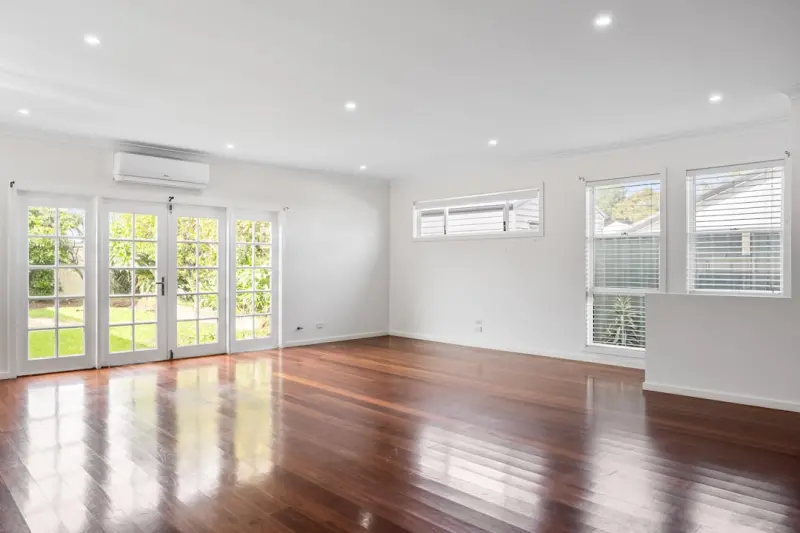
Dynamic Zoning: Transform Every Room into a Flexible Work, Rest, and Play Space
Learn to reshape your home’s rooms into adaptable zones that boost productivity, comfort, and funâ... Read More
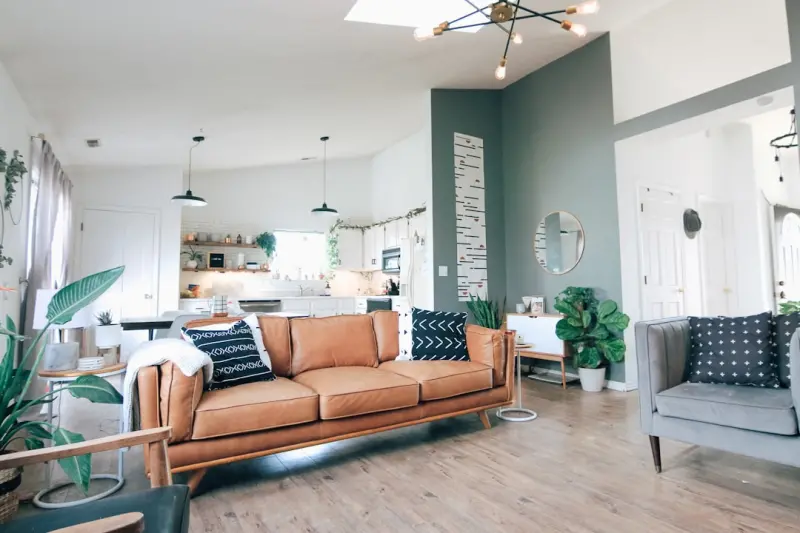
The Art of Invisible Storage: Hidden Solutions for Every Room
Brad Hays shares a comprehensive guide to invisible storage, offering room‑by‑room strategies, s... Read More
Top Posts

The Rise of Hyper‑Local Micro‑Escapes: Redefining Wanderlust
Micro‑escapes—short, local getaways—are reshaping travel by delivering dopamine‑boosting experiences, sustainability, and community impact within a few ...Read More

Why Sabbaticals Are the Secret Weapon for Future‑Ready Companies
Sabbaticals are emerging as a powerful tool for talent retention and innovation. This article explores why they matter, how to design effective policies, and th...Read More

Micro‑Internships: Tiny Stints, Big Talent Gains
Micro‑internships let employees test new roles in brief, outcome‑driven assignments, giving firms a low‑risk way to uncover talent, foster innovation, and...Read More
The Garden Desk Revolution: How Outdoor Workspaces Redefine Home Life
Explore the rise of garden desks, their impact on productivity and home life, and simple steps to create your own outdoor workspace oasis....Read More
0 Comments
Post Comment
You will need to Login or Register to comment on this post!