

Turning Every Trip into a Living Laboratory
When I first booked a solo train ride through the Alpine valleys, I didn’t imagine that the journey would become more than a postcard‑perfect escape. It became a living laboratory—a space where I could test ideas about communication, habit, and even my own assumptions about comfort zones. In the weeks since, I’ve begun to see travel not just as a break from routine, but as an intentional arena for small‑scale experiments that enrich both my personal growth and my professional creativity.
Why Treat Travel Like an Experiment?
We’re all familiar with the classic “travel journal” that lists sights, meals, and occasional musings. What if we added a hypothesis, a method, and a set of observations? By framing each trip—or even each day of a trip—as a mini‑research project, we gain a structured way to extract insights that would otherwise dissolve into vague memories.
- Curiosity as a compass: Instead of asking “What’s the most photogenic spot?” ask “How does the lighting in this market influence my perception of color?”
- Iteration over perfection: A single day in a foreign city is enough to test a new habit—like speaking only in the local language for a set period—without the pressure of a lifelong commitment.
- Feedback loops: Journaling, voice memos, or quick sketches become your data points, allowing you to see patterns over time.
Designing Your Travel Experiment
Start with a simple question that resonates with your current goals. Here are a few templates that have worked for me:
- Social Connection: “Will I feel more at ease after initiating three conversations with locals each day?”
- Mindful Consumption: “Can I reduce my waste by 50% using only reusable items for a weekend?”
- Creative Spark: “How does photographing the same street at sunrise versus sunset affect my storytelling tone?”
Next, outline a method. Keep it lightweight: a notebook, a voice recorder, or even a dedicated folder on your phone. The key is consistency, not complexity. Finally, decide on a measurement—this could be a numeric count (e.g., “number of new words learned”) or a qualitative rating (e.g., “comfort level on a 1‑10 scale”).
Case Study: The “Local Language Sprint” in Lisbon
During a week‑long stay in Lisbon, I challenged myself to speak only Portuguese for the first three days. My hypothesis: immersing myself in the language would accelerate cultural connection and reduce the anxiety that usually accompanies “tourist mode.”
- Method: I carried a pocket notebook, noting each interaction, how long it lasted, and my emotional response.
- Measurement: A simple 1‑10 confidence score recorded each evening.
Results? By day three, my confidence leapt from a 2 to a 7, and I found myself invited to a family dinner that night—a connection that would never have happened had I stayed in English. The experiment also highlighted a subtle shift: I began noticing the rhythm of daily life—coffee breaks, market chatter—that would have been background noise otherwise.
Embedding Experiments into Everyday Travel
Not every trip needs a grand research design. Even a short weekend getaway can host a micro‑experiment. Here are three low‑commitment ideas you can slip into any itinerary:
- “Taste Map” Challenge: Sample one unfamiliar dish per city district and record the flavors, textures, and your emotional reaction. Over time, you’ll develop a personal culinary map that goes beyond the typical “must‑try” list.
- “Step Count Swap”: Replace one daily commute with walking, then note any changes in mood, productivity, or creative ideas that emerge during the walk.
- “Digital Sunset” Test: Power down all devices one hour before sunset and observe how the natural light affects your sense of calm and reflection. This can be a refreshing counterpoint to the constant digital buzz we all experience.
Linking Travel Experiments to Broader Life Goals
When we treat travel as a laboratory, the insights we gather often have surprising applications back home. For example, my “Local Language Sprint” sharpened my listening skills, which translated into better client conversations at work. Similarly, the “Taste Map” experiment heightened my awareness of sensory detail, enriching my approach to product storytelling.
If you’re curious about how intentional travel can dovetail with purposeful living, you might enjoy reading Travel With Purpose: Turning Trips Into Positive Impact. While my focus here is on personal experimentation, the underlying principle—aligning travel with a larger intention—remains the same.
Tools and Resources to Keep Your Data Fresh
Modern technology offers a suite of tools that can help you capture and analyze travel data without turning the experience into a spreadsheet nightmare:
- Voice Memo Apps: Quick spoken reflections capture emotions in the moment, which you can later transcribe for deeper analysis.
- Travel Journaling Platforms: Apps like Day One or Journey let you tag entries, add photos, and even map locations automatically.
- Simple Spreadsheets: For the analytically inclined, a one‑sheet workbook with columns for date, hypothesis, method, and outcome can reveal trends across multiple trips.
Remember, the goal isn’t to become a data scientist on the road; it’s to create a feedback loop that makes each journey more intentional and rewarding.
Balancing Structure and Spontaneity
One common fear is that an experimental framework will kill the spontaneous magic of travel. In practice, the opposite often happens. A clear question gives you a lens to notice opportunities that would otherwise slip by. For instance, while I was in Kyoto, my “local language sprint” prompted me to strike up a conversation with a street vendor about the origin of a particular tea. That conversation led to an invitation to a quiet tea ceremony—a moment I would have missed without the deliberate focus on language.
Think of the framework as a flexible scaffold, not a rigid cage. If an unexpected festival pops up, you can pivot your hypothesis or simply note the deviation as a data point. The freedom to adapt is, after all, the essence of travel.
From Solo Trips to Group Experiments
While many of my experiments have been solo endeavors, there’s a growing community of travelers who love to collaborate on shared research. Imagine a group of digital nomads in Bali conducting a collective “well‑being heat map,” where each participant records stress levels at different coworking spaces. By pooling results, the group uncovers which environments foster creativity and which drain energy.
If you’re interested in how small‑scale collaboration can spark larger insights, the piece on Microadventures: Small Escapes, Big Transformations explores how brief, intentional outings can lead to profound personal shifts. Extending that idea to group dynamics opens a new frontier for shared learning.
Practical Tips for Staying Safe While Experimenting
Experimentation should never compromise safety. Here are a few quick reminders:
- Know the local laws: If your hypothesis involves a behavior that might be frowned upon (e.g., public speaking in a language you’re learning), research cultural norms first.
- Carry a backup plan: If a social experiment feels uncomfortable, have an exit strategy—like a pre‑planned café where you can retreat.
- Stay connected: Even when you’re unplugging digitally, let a trusted friend know your itinerary and check in periodically.
Closing Thoughts: The Ongoing Journey of Curiosity
Travel, at its core, is an invitation to step out of the familiar and into a world of unknown variables. By approaching each trip as a living laboratory, we transform that invitation into a systematic practice of curiosity, growth, and insight. The next time you book a flight, consider drafting a simple hypothesis alongside your itinerary. You’ll discover that the world has more to teach you than any guidebook ever could.
Happy experimenting, fellow wanderers!

Laura Wilson is a freelance writer specializing in the dynamic and ever-evolving field of health. With a passion for translating complex medical information into accessible and engaging content, Laura brings a wealth of knowledge and a fresh perspective to topics ranging from preventative care and nutrition to cutting-edge research and innovative treatments.
Related Posts
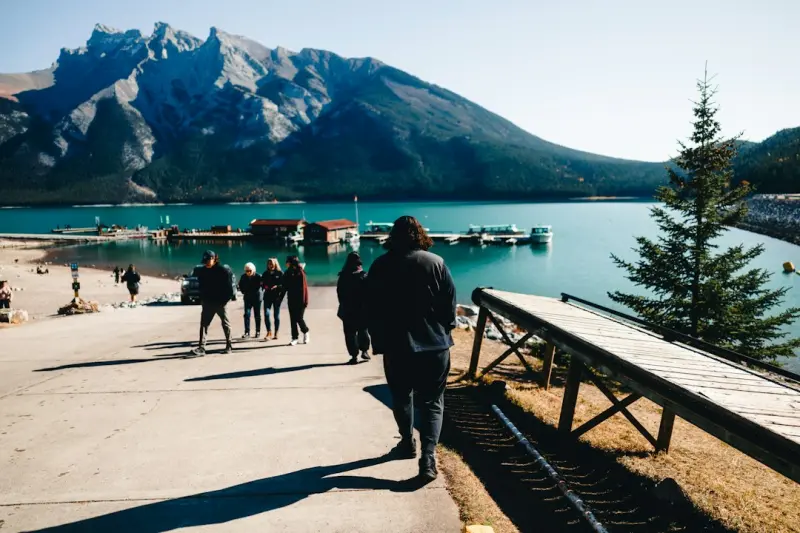
Beyond Tourist Trails: Building Community Connections While Working Remotely
Explore a community‑first approach to remote work travel that transforms ordinary trips into purpo... Read More

How to Turn Every Trip into a Personal Narrative Lab
Learn to transform any journey into a personal narrative lab by setting themes, capturing sensory de... Read More
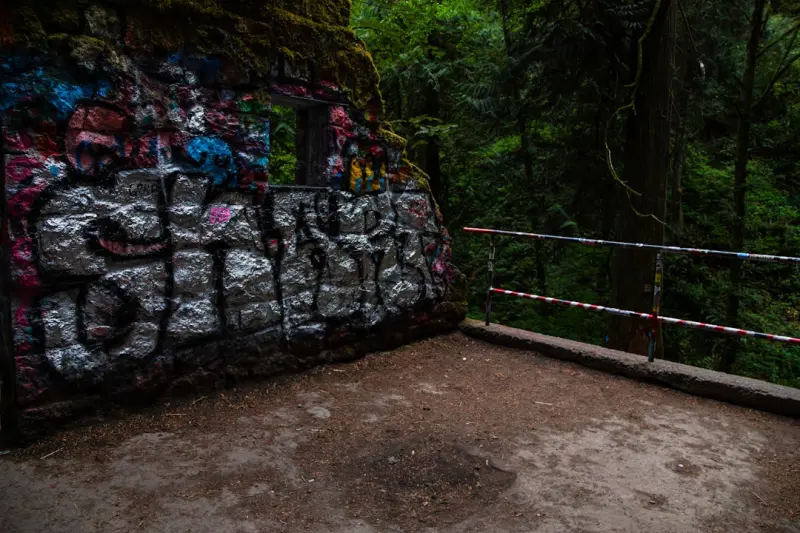
Beyond the Tourist Trail: How Sensory Play Turns Trips into Personal Masterpieces
Travel becomes a living art when you engage sight, sound, taste, touch, and smell. Learn practical t... Read More
Top Posts

Why Skill‑First Pay Beats Title‑Based Salaries
A deep dive into why moving from title‑centric salaries to transparent, skill‑based pay structures can transform employee motivation, lower turnover, and fu...Read More
Digital Boundaries: Reclaiming Mental Space in a Hyperconnected World
In a world where notifications never stop, setting intentional digital boundaries is essential for mental health. This guide offers actionable steps—from offl...Read More
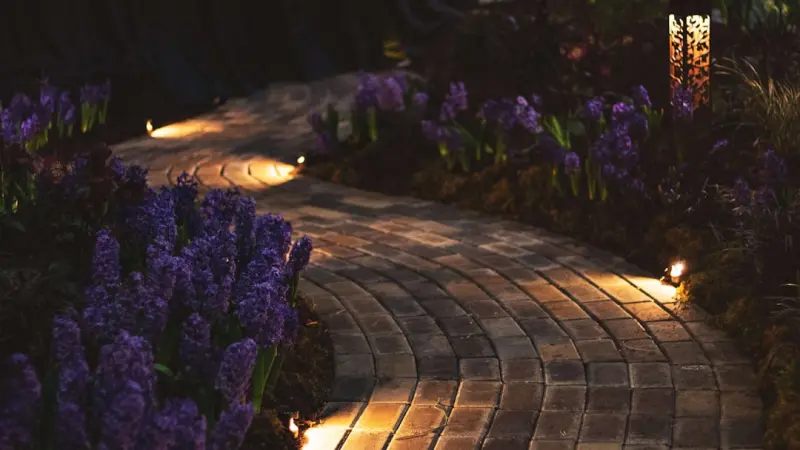
Creating a Captivating Night Garden: Light, Fire, and Fragrance After Dusk
Learn to turn your garden into a nighttime sanctuary with layered lighting, fire pits, moon‑blooming scents, and soothing sounds for a truly magical after‑d...Read More
Turning Transit Time into a Personal Discovery Lab
Discover practical habits and a portable kit that turn every layover, train ride, or delayed flight into a creative laboratory for observation, learning, and st...Read More
0 Comments
Post Comment
You will need to Login or Register to comment on this post!