
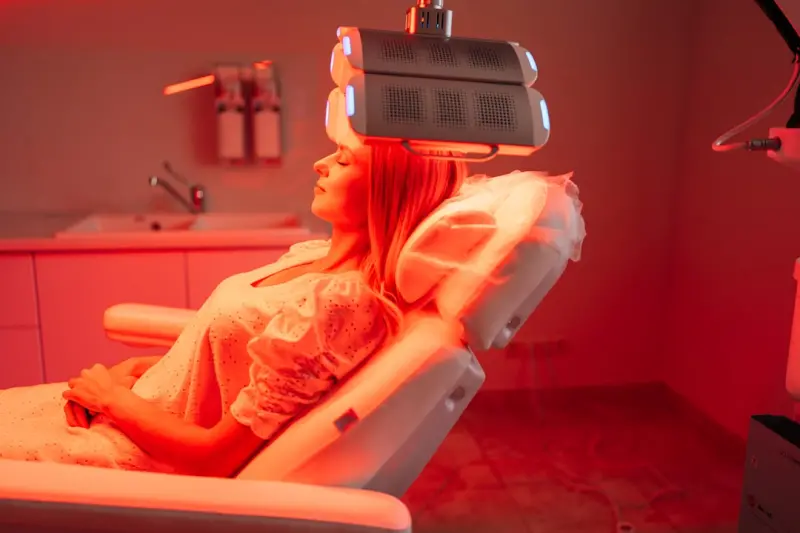
Shedding Light on Self‑Care: Why At‑Home Light Therapy Is the Next Personal Care Frontier
When I first walked into a boutique wellness studio and saw a sleek panel of LEDs humming softly, I thought I’d stumbled into a sci‑fi movie set. The practitioner explained that gentle pulses of light could reset skin cells, lift mood, and even sharpen focus. I left skeptical, but the lingering glow stayed with me. Over the past months I’ve turned my own bathroom into a modest light‑lab, experimenting with red, near‑infrared, and blue wavelengths. The results have been nothing short of transformative, and I’m convinced that at‑home light therapy is the most under‑leveraged tool in today’s personal care arsenal.
Understanding Light: Not All Photons Are Created Equal
The electromagnetic spectrum is a rainbow of possibilities, but for personal care we care primarily about three bands:
- Red (630–660 nm): Penetrates deep into the dermis, stimulating collagen production and reducing inflammation.
- Near‑infrared (810–850 nm): Goes even deeper, reaching muscles and joints, supporting tissue repair and circulation.
- Blue (415–455 nm): Works on the surface, targeting the bacteria that cause acne and regulating oil production.
Each wavelength triggers a distinct cascade of cellular events. Red light, for example, activates the mitochondrial enzyme cytochrome c oxidase, which boosts ATP production—the cellular fuel that powers repair. Near‑infrared does the same but reaches farther, making it a favorite for athletes recovering from micro‑trauma. Blue light, on the other hand, excites porphyrins in Cutibacterium acnes, generating reactive oxygen species that neutralize the bacteria without harsh chemicals.
Why Light Therapy Beats Traditional “Quick Fixes”
We live in a culture of instant gratification. A 5‑minute mask, a high‑dose serum, or a pricey clinic session can feel like the easiest route to glowing skin. Yet these shortcuts often address symptoms, not the root cause. Light therapy, by contrast, works at the cellular level, encouraging the body to do what it already knows how to do—heal itself.
Consider the difference between slapping on a retinol cream and using a red‑light device nightly. Retinol tells skin to shed old cells faster, which can cause irritation and a “retinoid rash.” Red light says, “Hey, let’s produce more collagen and calm the inflammation while you’re doing it.” The result? A smoother texture with far less redness and a lower risk of long‑term barrier damage.
Setting Up Your Personal Light Lab
Before you rush to buy the most expensive panel on the market, let’s talk about the basics. A good starter kit includes:
- A LED panel with adjustable wavelength settings (red, near‑infrared, blue). Look for medical‑grade diodes with a certified output of at least 30 mW/cm².
- A timer or built‑in session clock to avoid overtreatment.
- A non‑reflective surface (a matte black mat works well) to keep light focused where you need it.
- A clean, comfortable space where you can sit or lie down without interruptions.
Position the panel about 6‑12 inches from the target area. For facial treatments, a distance of 8 inches for 10 minutes of red light is a solid starting point. For larger muscle groups, increase the distance to 12 inches and extend the session to 15‑20 minutes. Consistency is key—most protocols recommend 3‑5 sessions per week for at least four weeks before evaluating results.
Integrating Light Therapy Into Existing Routines
My own routine now looks like this:
- Evening cleanse – a gentle, sulfate‑free wash to remove pollutants.
- Blue‑light session (5 min) – focuses on the forehead and chin, where I’m prone to occasional breakouts.
- Serum application – a peptide‑rich formula that pairs nicely with the post‑light “skin‑ready” window.
- Red‑light session (10 min) – full‑face exposure to boost collagen synthesis while the serum works.
- Nightcap – a lightweight moisturizer with ceramides to lock in the benefits.
The synergy between light and topical actives is something I’ve tested rigorously. Light therapy temporarily increases skin permeability, allowing serums to penetrate more deeply. I’ve found that using a peptide serum right after red light yields a noticeable lift within weeks. The key is to avoid retinoids or exfoliants immediately before a session, as they can increase sensitivity to light.
Beyond Skin: Mood, Sleep, and Cognitive Boosts
Light isn’t just for the epidermis. The same wavelengths that rejuvenate skin also influence the brain’s circadian rhythm and neurotransmitter production. A 20‑minute near‑infrared session before bed can calm the sympathetic nervous system, making it easier to drift into restorative sleep. Conversely, a brief burst of bright white light (or blue‑enriched light) in the morning can jump‑start melatonin suppression, sharpening alertness for those early meetings.
In fact, I recently read an insightful piece on scent as a performance hack. While aroma engages the olfactory bulb, light reaches deeper into the hypothalamus, where the master clock resides. Pairing a citrusy essential oil with a morning blue‑light session gave me a double‑dose of vigor that no cup of coffee could match.
Safety First: What to Watch Out For
Even though light therapy is non‑invasive, it’s not entirely without risk:
- Eye protection: Always use goggles designed for the wavelength you’re using. Direct exposure to the eyes can cause retinal damage, especially with blue light.
- Skin sensitivity: If you have a photosensitive condition (e.g., lupus) or are on photosensitizing medication, consult a dermatologist before starting.
- Over‑exposure: More isn’t always better. Stick to the recommended session lengths; exceeding them can lead to temporary redness or dryness.
For most people, a well‑calibrated home device is as safe as any other personal care tool, provided you follow manufacturer guidelines and listen to your body.
Combining Light Therapy With Other Emerging Personal Care Trends
The personal care landscape is buzzing with novel concepts—from probiotic skin cleansers to micro‑movement routines that keep the body limber. One trend that resonates with light therapy is micro‑movement mastery. By incorporating short, intentional stretches between light sessions, you boost circulation and help the newly energized cells deliver nutrients more efficiently.
Imagine a 5‑minute “light‑and‑move” circuit: a quick blue‑light burst for the face, followed by a series of neck rolls and shoulder shrugs, then a red‑light soak for the shoulders and upper back. The movement primes the vascular system, while the light drives cellular repair—an elegant, time‑efficient synergy that fits even the busiest schedule.
The Business Angle: Why Companies Should Offer Light Therapy Perks
From an organizational perspective, personal care isn’t just a luxury; it’s a performance driver. Employees who feel physically refreshed tend to be more focused, creative, and resilient. Providing access to a light‑therapy lounge or subsidizing at‑home devices can reduce burnout and improve overall well‑being. Think of it as an upgrade to the classic “quiet room”—instead of just a space for meditation, you add a scientifically validated tool that enhances both mental and physical health.
Moreover, as remote work normalizes, the line between home and office blurs. Companies that empower their workforce to invest in self‑care at home are essentially extending their wellness ecosystem beyond the corporate walls. The ROI? Lower absenteeism, higher engagement scores, and a culture that genuinely values holistic health.
Future Outlook: What’s Next for At‑Home Light Tech?
We’re already seeing smarter devices that integrate with smartphone apps, offering personalized dosage recommendations based on skin type, age, and even real‑time stress metrics. AI‑driven algorithms (yes, the same kind that power our strategic decision‑making tools) will soon analyze your sleep patterns, activity levels, and skin diagnostics to tailor a daily light regimen that feels custom‑built.
Imagine a future where your wellness dashboard alerts you: “Your skin’s collagen levels are lagging—add a 10‑minute red‑light session before bedtime.” Or, “Your morning cortisol spike suggests a blue‑light boost before coffee.” This convergence of data, AI, and photobiomodulation will make personal care hyper‑personalized, turning every home into a mini‑clinic.
Getting Started: A 7‑Day Light Challenge
Ready to test the waters? Here’s a simple 7‑day challenge to see if light therapy belongs in your routine:
- Day 1‑2: Blue light, 5 minutes on the T‑zone, followed by a light moisturizer.
- Day 3‑4: Red light, 10 minutes on the full face, then apply a peptide serum.
- Day 5‑6: Near‑infrared, 15 minutes on the shoulders and neck, incorporate micro‑movements (neck rolls, shoulder shrugs).
- Day 7: Combine blue (morning) and red (evening) sessions, track your skin’s texture, mood, and sleep quality.
Log your observations in a journal. You’ll likely notice subtle shifts—fewer breakouts, a brighter complexion, and a calmer mind. If the results are promising, scale up the duration or add targeted sessions for specific concerns (e.g., post‑workout muscle recovery with near‑infrared).
Final Thoughts: Light as a Personal Care Superpower
When I first experimented with LED panels, I was looking for a quick fix for dull skin. What I discovered was a multidimensional tool that touches skin health, mental clarity, and even organizational culture. Light therapy isn’t a gimmick; it’s a scientifically validated modality that, when used responsibly, can become a cornerstone of any personal care regimen.
If you’re skeptical, I understand—new technologies often invite doubt. But the evidence is mounting, the devices are becoming more affordable, and the integration possibilities (think micro‑movements, AI‑driven dosing, and corporate wellness programs) are practically limitless. Give it a try, document the journey, and you may find that the simplest photon can be the most powerful catalyst for holistic well‑being.

Robert Mathews is a professional content marketer and freelancer for many SEO agencies. In his spare time he likes to play video games, get outdoors and enjoy time with his family and friends .
Related Posts

Smart Skincare: Real‑Time Personal Care for Busy Lives
Discover how micro‑moment, sensor‑driven skincare transforms busy routines into data‑informed ... Read More

Rediscovering Personal Care Through the Power of Touch, Temperature, and Aroma
A fresh take on personal care shows how mindful engagement of touch, temperature, and scent can boos... Read More
Redefining Personal Care: A High‑Performance Routine for the Modern Professional
Learn how to build a high‑performance personal care routine that blends micro‑resets, adaptive h... Read More
Top Posts

Pop‑Up Co‑Living Pods: Rethinking City Travel for Shared Living Experiences
Pop‑up co‑living pods turn vacant city spaces into vibrant, short‑term homes where travelers share kitchens, workspaces, and stories, offering a fresh, co...Read More

Skill Stacking: Building a Career Mosaic for the AI‑Driven Workplace
Skill stacking turns careers into dynamic mosaics, blending technical, business, and soft skills to thrive in today’s AI‑driven workplace. This post reveals...Read More
Fermented Skincare: Turning Kitchen Culture into Radiant Skin
Explore the science and DIY steps behind fermented skincare, learning how probiotic-rich formulas from your kitchen can transform your skin’s health and glow....Read More

Laughter as a Mental Health Superpower
A fresh look at how intentional laughter and playful activities act as powerful tools for mental health, offering practical ways to integrate humor into everyda...Read More
0 Comments
Post Comment
You will need to Login or Register to comment on this post!