
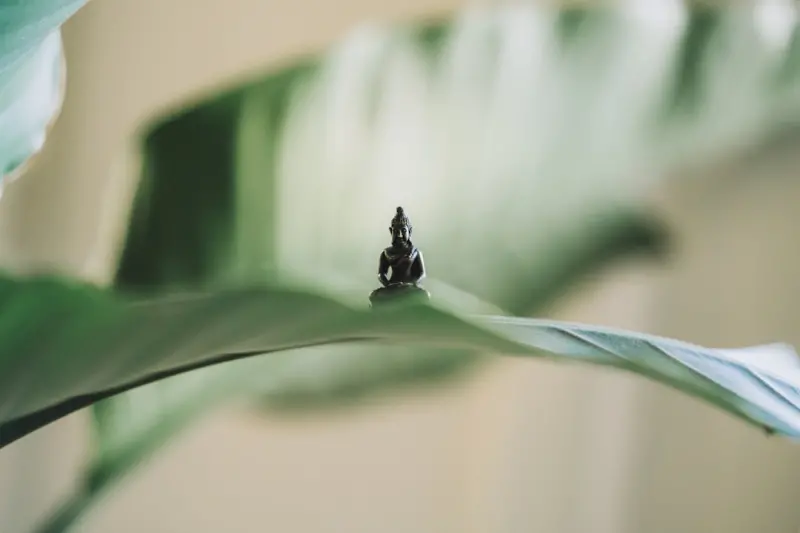
Why Tiny Mindful Moments Matter More Than Ever
When the inbox never sleeps and Zoom calls bleed into dinner, my brain feels like a crowded airport terminal—people rushing, announcements blaring, nowhere to sit. I used to chase the myth of the “perfect meditation” that required a quiet room, a scented candle, and at least twenty minutes of undisturbed stillness. That fantasy fell apart the moment I tried to schedule it between a client deadline and a toddler’s nap.
That realization sparked a new experiment: what if the antidote to overwhelm doesn’t need a grand ritual, but a series of micro‑meditations that slip into the cracks of a hectic day? I call them tiny mindful moments. They’re not a substitute for deeper practice, but they are a lifeline that keeps the mental tide from pulling me under.
The Science of “Micro‑Meditations”
Neuroscience tells us that even a few seconds of focused breathing can shift the balance of the autonomic nervous system, moving us from a fight‑or‑flight state toward a calmer, parasympathetic mode. The brain’s default mode network—responsible for mind‑wandering and rumination—quietly recedes when we engage in brief, intentional focus. In other words, a short pause can reboot the mental hardware that usually runs on “high alert.”
In practice, this means you don’t need a dedicated meditation cushion. A five‑second “anchor”—a breath, a sensation, or a visual cue—can create a ripple effect that steadies attention, reduces cortisol spikes, and improves emotional regulation. For busy professionals, that ripple can be the difference between a day that feels like a marathon and one that feels manageable.
Three Simple Micro‑Meditation Techniques to Try Right Now
- The 5‑Second Breath Reset: As soon as you notice tension, inhale for a count of three, hold for one, exhale for three. Do this twice. It’s a quick reset that signals your nervous system to calm down.
- Keyboard Pause: Before you start typing an email, place both hands on the keyboard, close your eyes for a moment, and feel the weight of your palms. This brief embodiment check grounds you before you dive into the conversation.
- Screen Glance Reset: Every time you unlock your phone, take one slow breath and look at a single object on the screen—perhaps the time or a favorite photo. Let your gaze linger for two seconds before scrolling.
These micro‑practices are deliberately short because they respect the very thing they aim to protect: your limited attention bandwidth. The goal isn’t to “master” meditation in a single session, but to weave tiny moments of awareness into the fabric of your day.
Integrating Micro‑Meditations Into Your Workflow
My own office is a small, bright corner that doubles as a creative studio. I’ve turned a few everyday cues into triggers for mindfulness:
- Meeting Entry: Before each virtual meeting, I press the mute button, close my eyes, and count to three. That brief pause clears the mental clutter that otherwise spills into the conversation.
- Document Review: When I open a new document, I pause for a breath, notice the feel of the mouse, and set a single intention (“read for clarity”). This tiny ritual keeps me from slipping into autopilot reading.
- Coffee Break: Instead of scrolling through news feeds, I sip my coffee mindfully—sensing the warmth, the aroma, the taste. It becomes a sensory reset that steadies my focus for the next work block.
These small adjustments accumulate. After a few weeks, I noticed I was less reactive to urgent emails, and my creative brainstorming sessions felt fresher. The key is consistency, not intensity.
When Micro‑Meditations Meet Structured Sabbaticals
Micro‑meditations are a daily practice, but they can also complement longer periods of intentional rest. In my recent experiment with a structured sabbatical strategy, I built in weekly “micro‑retreats.” Each Friday afternoon, I set aside thirty minutes for a longer meditation, followed by a short walk outside. The contrast between the brief, frequent resets and the deeper, weekly immersion created a rhythm that kept burnout at bay while still allowing space for big‑picture thinking.
This synergy shows that micro‑practices aren’t just filler—they’re building blocks that sustain larger periods of rest and reflection. When you return from a week‑long vacation, you’ll find that those tiny moments have kept the mental muscles supple, so you can re‑engage more quickly.
Micro‑Meditations for Teams: A Collective Calm
While personal practice is powerful, the workplace thrives when the whole team embraces calm. I introduced a one‑minute collective pause at the start of our weekly stand‑up. Everyone closed their eyes, inhaled together, and exhaled. The effect was subtle but measurable: fewer interruptions, more concise updates, and a noticeable dip in meeting fatigue.
For remote teams, the same technique works via a shared video call. The visual cue of a collective breath aligns the group’s nervous systems, fostering a sense of unity that transcends screen boundaries. If you’re skeptical, try it for one meeting and observe the shift in tone.
Leveraging Simple Nervous System Reset Practices
If you’re looking for an evidence‑based way to calm the nervous system on the fly, consider the simple nervous system reset practices outlined in our earlier guide. Combining those techniques with micro‑meditations creates a toolbox that you can reach for any time anxiety spikes or focus wanes.
For example, the “4‑7‑8” breath (inhale for 4 seconds, hold for 7, exhale for 8) can be integrated into the 5‑Second Breath Reset by extending the count. The result is a deeper pause that further reduces stress hormones. The beauty of these practices lies in their modularity—you can mix, match, and adjust based on the moment’s demands.
Building a Personal Micro‑Meditation Dashboard
To keep track of your micro‑practice, I built a simple spreadsheet that logs each pause, the trigger (e.g., “post‑email”), and a brief note on how I felt afterward. Over a month, patterns emerge: perhaps you notice that “keyboard pause” spikes your focus before creative tasks, while “screen glance reset” eases anxiety during data‑heavy work.
This data‑driven approach mirrors the way we track key performance indicators in business. By treating mental health as a measurable metric, you empower yourself to iterate and improve—just like any other professional skill.
Micro‑Meditations in the Context of Daily Rhythm Hacks
Our readership often explores daily rhythm hacks that boost productivity. Micro‑meditations fit seamlessly into those hacks, acting as the “soft reset” that bridges high‑intensity work blocks. When you pair a 90‑minute deep‑work session with a two‑minute breath pause, you prevent mental fatigue from building up, maintaining a higher level of cognitive performance throughout the day.
Think of it as an “attention buffer.” Each micro‑pause clears the mental slate, allowing the next work sprint to start fresh. Over time, you’ll notice a smoother flow, fewer distractions, and a more sustainable energy curve.
Common Misconceptions and How to Overcome Them
Misconception #1: “It’s not real meditation.” Micro‑meditations are a subset of mindfulness. They meet the core criteria: focused attention, present‑moment awareness, and non‑judgmental observation. They are real, just brief.
Misconception #2: “I’ll forget to do them.” Pair the practice with existing habits (the “habit stacking” technique). For instance, every time you receive a new Slack message, pause for a breath before replying.
Misconception #3: “It won’t make a difference.” Research on “brief mindfulness interventions” shows statistically significant reductions in perceived stress after just a single 2‑minute session. The cumulative effect compounds over weeks.
Putting It All Together: Your First 30‑Day Micro‑Meditation Plan
Here’s a simple roadmap you can start today:
- Day 1‑5: Awareness – Notice moments of tension and practice the 5‑Second Breath Reset.
- Day 6‑10: Integration – Add a Keyboard Pause before each email you write.
- Day 11‑15: Expansion – Implement the Screen Glance Reset on every phone unlock.
- Day 16‑20: Team Alignment – Introduce a one‑minute collective pause in your next team meeting.
- Day 21‑30: Reflection & Adjust – Review your micro‑meditation dashboard, identify which triggers work best, and fine‑tune the routine.
By the end of the month, you’ll have woven a network of micro‑mindful moments throughout your day, creating a resilient mental infrastructure that supports both personal well‑being and professional performance.
Final Thoughts: Small Shifts, Big Impact
The mental health conversation often centers on big‑ticket interventions—therapy, long‑form meditation retreats, or digital detoxes. Those are valuable, but they’re not always accessible to the busy professional juggling multiple roles.
Micro‑meditations democratize mental care. They empower anyone, anywhere, to claim a sliver of calm amidst the chaos. In my own journey, these tiny pauses have turned what felt like a perpetual sprint into a series of manageable strides. If you’re ready to experiment, start with a single breath and watch how the ripple grows.

Karen Edwards is a seasoned freelance writer with a passion for all things furry, feathered, and scaled. With a dedicated focus on pets, she brings a wealth of knowledge and a keen eye for detail to her writing.
Related Posts

Playful Breaks: The Unexpected Productivity Booster for Busy Professionals
A brief, intentional pause that engages the brain’s reward system can lower stress, sharpen focus,... Read More
The Unexpected Power of Daily Gratitude Micro‑Practices
Learn practical, data‑driven micro‑gratitude techniques that seamlessly fit into busy workdays, ... Read More
Storytelling at Work: How Narrative Boosts Mental Resilience
Explore practical narrative practices that turn everyday work tasks into stories, boosting emotional... Read More
Top Posts

Cultivating Climate‑Smart Gardens: Small‑Space Strategies for a Resilient Home
Discover how to turn any balcony, yard, or rooftop into a climate‑smart garden using native plants, simple soil tricks, and smart water management—perfect f...Read More

AI‑Powered Personal Knowledge Networks: Turning Data Overload into Insight
Explore AI‑powered personal knowledge networks that organize and synthesize your data, turning overload into actionable insight and empowering smarter decisio...Read More

Vertical Gardens: Maximizing Space and Style in Small Homes
Learn to turn walls into thriving vertical gardens, blending design, sustainability, and budget‑friendly DIY tricks for compact living spaces....Read More

Digital Sunset: Reclaiming Evening Calm for Personal Care
Margaret Thomson shares her personal “digital sunset” routine, a nightly unplugging practice that blends low‑tech habits, microbreaks, and gentle light th...Read More
0 Comments
Post Comment
You will need to Login or Register to comment on this post!