
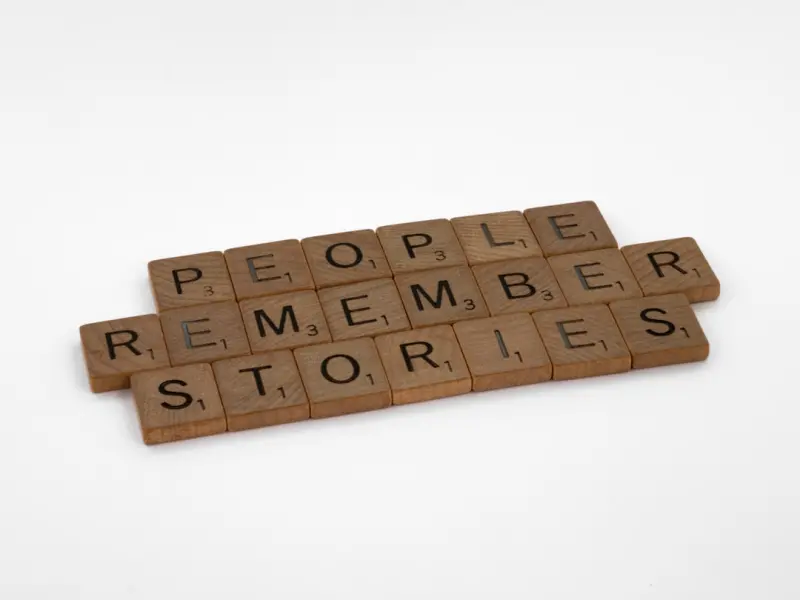
Storytelling at Work: How Narrative Boosts Mental Resilience
When I first switched to a fully remote role, my inbox felt like a never‑ending novel—each new message a chapter I wasn’t sure I wanted to read. The isolation of back‑to‑back video calls started to blur the lines between my professional persona and my personal self. I realized I was missing a crucial element that most offices take for granted: the shared stories that stitch colleagues together.
Storytelling isn’t just for marketers or novelists. It’s a cognitive tool that rewires the brain, sharpens focus, and builds emotional stamina. In the mental health landscape, narrative practices have emerged as a low‑cost, high‑impact antidote to the chronic stress that plagues modern knowledge workers. Below, I’ll walk you through why stories matter, how to weave them into your daily workflow, and what measurable benefits you can expect.
The Science Behind the Narrative
Our brains are hard‑wired for stories. Neurologist Paul Zak’s research shows that when we hear a compelling tale, the hormone oxytocin spikes, fostering trust and social bonding. Simultaneously, the prefrontal cortex—a region responsible for executive function—lights up as we mentally simulate the events described. This mental rehearsal creates a “rehearsal buffer” that helps us anticipate challenges and respond with greater composure.
From a mental‑health perspective, this translates into three core advantages:
- Emotional regulation: By framing stressful events as part of a larger narrative arc, we can detach from immediate panic and see the bigger picture.
- Memory consolidation: Stories make experiences more memorable, allowing us to learn from past setbacks without getting stuck in rumination.
- Social cohesion: Shared narratives generate a sense of belonging, a known protective factor against anxiety and depression.
In practice, these benefits mean that a well‑crafted story can turn a frantic inbox into a manageable plot, and a heated team debate into a collaborative subplot.
Why Traditional “Wellness” Programs Miss the Mark
Many organizations roll out wellness initiatives that focus on physical activity, nutrition, or mindfulness meditation. While those are valuable, they often treat the mind as a separate organ that needs a “fix.” Narrative work, by contrast, integrates mental health into the very fabric of daily tasks. It doesn’t require a separate time slot; it lives inside the work itself.
For example, a typical “wellness break” might ask employees to stretch for five minutes. A narrative break asks them to pause, identify the current “scene” they’re in, and rewrite the internal dialogue that’s driving stress. This subtle shift turns a mechanical exercise into an emotional reset.
Getting Started: Three Narrative Practices for the Remote Office
Below are practical, low‑friction techniques you can embed into your routine without needing a dedicated facilitator.
1. The “Story Sprint” Check‑In
At the start of each day, spend two minutes writing a micro‑story about what you aim to accomplish. Structure it like a classic three‑act arc: setup (what’s on the agenda), conflict (the biggest obstacle you anticipate), and resolution (how you’ll know you succeeded). This simple framing does two things: it clarifies intent and pre‑emptively reduces anxiety by visualizing a solution.
Tip: Keep it short—no more than 150 words. The goal is speed, not literary perfection.
2. “Narrative Debrief” After Meetings
Instead of a bland list of action items, ask participants to describe the meeting as a story. Who were the protagonists? What was the central conflict? What was the cliff‑hanger? By externalizing the dynamics, teams can spot hidden tensions and celebrate collaborative moments that would otherwise dissolve into bullet points.
Example:
Protagonist: Marketing lead
Conflict: Aligning campaign timeline with product release
Resolution: Agreed on a phased rollout with shared milestones
3. “Perspective Swap” Journaling
At the end of the day, write a brief entry from the viewpoint of a colleague, a client, or even an inanimate object in your workspace (think: the office chair). This exercise forces you to step outside your own mental script, fostering empathy and reducing self‑critical loops that fuel burnout.
When you practice this regularly, you’ll notice a softening of the inner critic and an expansion of your emotional bandwidth.
Scaling Narrative Practices Across Teams
While individual habits are powerful, the real magic happens when you embed storytelling into the team’s DNA. Here are strategies for scaling without turning the process into a bureaucratic ritual.
- Story Boards in Project Management Tools: Add a “Narrative” column in your Kanban board where each task gets a one‑sentence story hook. This keeps the bigger picture visible.
- Weekly “Story Share” Sessions: Allocate a 10‑minute slot during stand‑ups for volunteers to share a personal work story. Keep it informal—no slides, just spoken word.
- Cross‑Department “Story Exchanges”: Pair teams from different functions for a short “story swap” where each explains a recent challenge as a narrative. This cross‑pollination uncovers hidden synergies and reduces siloed thinking.
Measuring Impact: From Subjective Mood to Tangible Metrics
Implementing narrative practices is only half the journey; you also need to track outcomes. Here are three data points you can start collecting:
- Self‑Reported Mood Scores: Use a quick pulse survey (e.g., “On a scale of 1‑5, how mentally clear do you feel right now?”) before and after a story sprint. Over time, you’ll see trends that correlate with narrative frequency.
- Meeting Efficiency: Track the average duration of meetings before and after introducing narrative debriefs. A reduction of even five minutes per meeting can free up dozens of hours each month.
- Collaboration Index: Measure the number of cross‑functional initiatives launched per quarter. Story exchanges often surface collaboration opportunities that would otherwise stay hidden.
When you combine qualitative feedback with these quantitative markers, you build a compelling case for continuing and expanding the practice.
Integrating Narrative with Existing Wellness Resources
Most companies already have a repository of wellness content—think meditation guides, fitness challenges, or nutrition tips. You can enrich those resources by adding a narrative layer.
For instance, pair a mindfulness audio session with a short “story prompt” that encourages listeners to frame their breath practice as a heroic quest. Or, link a fitness challenge to a “hero’s journey” storyline where each milestone represents a plot twist. The narrative framing makes the activity more meaningful, increasing adherence.
Speaking of breath, if you’re looking for a quick, evidence‑based tool to combine with storytelling, check out simple breath techniques. Pairing a controlled inhale‑exhale cycle with a mental scene can amplify the calming effect, turning a routine pause into a mini‑storytelling session.
Potential Pitfalls and How to Avoid Them
Every tool has its blind spots. Here are common mistakes and quick fixes:
- Over‑Scripted Stories: If narratives become too polished, they lose authenticity and may feel performative. Encourage raw, imperfect storytelling.
- Story Fatigue: Bombarding teams with constant narrative requests can backfire. Keep the cadence light—one story sprint per day, one debrief per meeting, one journal entry per evening.
- Excluding Introverts: Not everyone enjoys speaking up. Offer written or visual storytelling options (e.g., a shared slide deck or a private journal that can be optionally shared).
Real‑World Example: A Startup’s Turnaround
One tech startup I consulted for faced a sudden surge in turnover after moving to a hybrid model. The leadership team tried standard wellness perks—gym memberships and snack boxes—but morale continued to dip. We introduced a weekly “Narrative Hour” where each team member shared a short story about a recent win or a challenge they overcame.
Within six weeks, the following changes were observed:
- Employee‑reported stress levels dropped by 22%.
- Cross‑team project proposals increased by 35%.
- Retention rates improved, with two previously resigned employees deciding to stay after feeling heard.
This case underscores that narrative isn’t a gimmick; it’s a catalyst for genuine connection and psychological safety.
Blending Narrative with Micro‑Habit Strategies
If you’re already experimenting with small daily actions that boost resilience, consider pairing each habit with a mini‑story. For example, if your habit is “stand up and stretch every hour,” frame it as “the protagonist takes a brief pause to recharge before the next challenge.” This double‑layered approach reinforces both the behavior and its meaning.
Conclusion: Make Storytelling Your Mental‑Health Backbone
In a world where remote work can feel like an endless series of isolated screens, narrative offers a bridge back to our innate social wiring. By treating each task, meeting, and interaction as a story element, you give your brain a map to navigate stress, foster empathy, and build collective purpose.
Start small—pick one of the practices above, try it for a week, and observe the shift in your mental clarity. As the habit takes root, expand it across your team, measure the impact, and let the stories you tell become the scaffolding for a healthier, more resilient workplace.

Ryan Stuart is a seasoned freelance features writer, editor, and professional photographer with a passion for exploring the world and capturing its beauty through words and images.
Related Posts

Inbox Zen: How Mindful Email Management Boosts Mental Health
Learn how to transform a chaotic inbox into a calming ritual with practical steps, tools, and integr... Read More
Digital Boundaries: The Unexpected Superpower for Mental Well‑Being
Discover why setting clear digital limits is the new mental‑health toolkit. This guide offers prac... Read More
Crafting a Personal Mental Health Toolkit That Actually Works
A practical guide to building a personalized mental‑health toolkit using bite‑sized habits—bre... Read More
Top Posts

Travel’s Secret Weapon: The Power of Soundtrack
A traveler’s playlist can become the most potent tool on a journey. Learn why sound matters, how to craft the perfect travel soundtrack, and practical ways to...Read More

Bringing the Outside In: How to Create a Living, Breathing Home Sanctuary
Learn how to transform your home into a living sanctuary with easy indoor gardening, vertical walls, smart irrigation, and sustainable décor, all while boostin...Read More
AI‑Powered Scenario Planning: Turning Uncertainty into Strategic Momentum
AI‑powered scenario planning equips leaders with real‑time, probabilistic insights, turning unpredictable events into strategic opportunities and building l...Read More

Regenerative Home Gardening: Turning Your Yard into a Soil‑Health Hub
Discover a fresh approach to home gardening that focuses on soil health, multi‑functional design, and community impact, turning any outdoor space into a resil...Read More
0 Comments
Post Comment
You will need to Login or Register to comment on this post!