
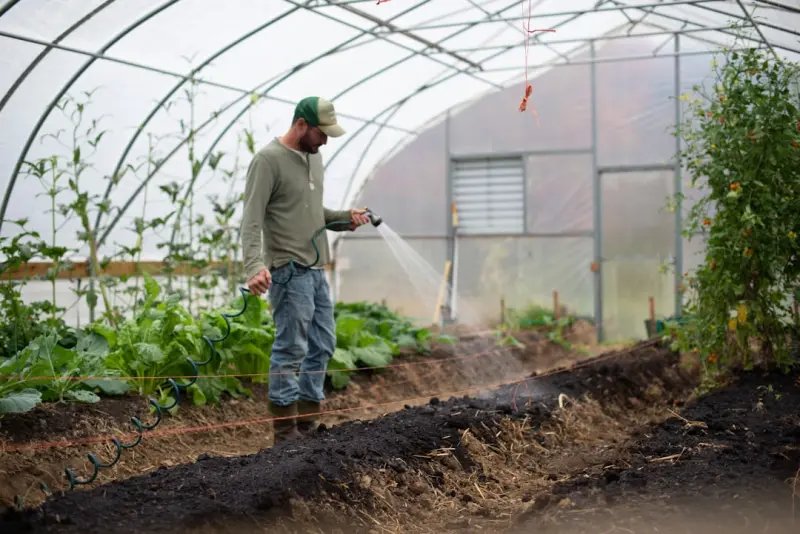
When I first inherited my grandparents’ modest backyard, I saw more than just a patch of earth – I saw a living laboratory where climate, community, and creativity could intersect. Over the years I’ve turned that modest space into a thriving, climate‑smart garden that not only feeds my family but also teaches my kids the subtle art of working with nature rather than against it. In this post I’m sharing the practical, down‑to‑earth strategies that transformed a sleepy yard into a resilient oasis, and how you can apply the same principles in any corner of your home, whether it’s a balcony, a rooftop, or a windowsill.
Why Climate‑Smart Matters in the Home Garden
Climate change isn’t a distant concept confined to news headlines; it’s already reshaping the growing seasons and water availability in our neighborhoods. A garden that adapts to these shifts can become a micro‑refuge, reducing your reliance on grocery store produce and buffering your household against extreme weather events. By designing with local conditions in mind, you’ll also support native pollinators, improve soil health, and cut down on the carbon footprint associated with long‑distance food transport.
Start with a Microclimate Audit
Every garden, no matter how small, has its own microclimate – a unique blend of sunlight, wind, humidity, and temperature. Mapping these variables is the first step to planting success.
- Sunlight mapping: Over a typical week, note which spots receive full sun (6+ hours), partial shade (3‑6 hours), and deep shade (less than 3 hours). Use a simple notebook or a phone app to track.
- Wind patterns: Observe the direction and strength of prevailing breezes. Even a gentle afternoon breeze can dry out soil faster than you expect.
- Soil moisture: Stick a finger into the soil at various points each morning. Consistently dry spots may need mulch or a raised bed to improve drainage.
Once you have this data, you can match plant species to the exact conditions they love, rather than forcing a one‑size‑fits‑all planting scheme.
Select Native and Climate‑Resilient Plants
Native plants have evolved alongside your region’s climate, making them naturally drought‑tolerant, pest‑resistant, and low‑maintenance. Here are three categories to consider:
- Groundcovers: Species like Achillea millefolium (yarrow) and Coreopsis spread quickly, suppress weeds, and retain moisture.
- Edible perennials: Think Rhubarb, Asparagus, and Herbaceous kale. They come back year after year, reducing the need for replanting.
- Pollinator magnets: Plants such as Bee Balm, Echinacea, and Lavender provide nectar for bees and butterflies, which in turn improve pollination for your fruiting crops.
When you choose varieties that are already adapted to local extremes, you’ll spend less time troubleshooting and more time enjoying the harvest.
Soil Health: The Unsung Hero
Healthy soil is the foundation of any resilient garden. It stores water, recycles nutrients, and hosts a bustling community of microbes that protect plants from disease. Follow these steps to boost your soil without relying on chemical shortcuts:
- DIY soil test: Fill a clear jar with garden soil, add water, and shake vigorously. Let it settle for 24 hours. The layers you see – sand, silt, clay, and organic matter – tell you the texture. A balanced mix looks like a thick, crumbly layer of dark material at the bottom.
- Compost addition: Incorporate 2‑3 inches of well‑rotted compost into the top 8‑12 inches of soil each spring. Compost enriches organic matter, improves structure, and introduces beneficial microbes.
- Cover cropping: Plant fast‑growing legumes (like clover or vetch) in vacant beds during the off‑season. Their roots fix nitrogen, and when you cut them down, they become a living mulch that feeds the soil.
If you need a quick primer on reducing kitchen waste while feeding your compost pile, check out kitchen waste reduction tips for inspiration.
Water Management Without the Gimmicks
Over‑watering is a common mistake, especially for gardeners who are eager to see quick results. Instead of installing complex irrigation systems, try these low‑tech tactics:
- Rain barrels: Capture runoff from gutters in a sturdy barrel. A simple spigot and a drip hose can deliver water directly to plant roots where it’s needed most.
- Mulching magic: A 2‑inch layer of straw, shredded leaves, or wood chips reduces evaporation, keeps soil temperature stable, and adds organic matter as it breaks down.
- Greywater reuse: If local codes allow, divert water from sinks or washing machines (sans detergent) to your garden beds. This gives plants a nutrient boost while conserving fresh water.
These methods keep your garden hydrated while minimizing waste – a win‑win for the environment and your water bill.
Designing for Year‑Round Interest
A garden that only looks good in summer can feel like a seasonal afterthought. To keep your outdoor space vibrant throughout the year, think in layers:
- Evergreen backdrop: Plant dwarf conifers, holly, or ornamental grasses that provide structure even in winter.
- Seasonal color bursts: Plant bulbs such as tulips and crocuses for spring, followed by summer heat‑lovers like tomatoes, and finish with fall foliage from maples or ornamental kale.
- Texture variety: Mix foliage types – glossy leaves, feathery fronds, and spiky stems – to create visual intrigue regardless of bloom cycles.
When you design with texture and form in mind, each walk through the garden feels like a new experience, no matter the month.
Integrating Edibles Seamlessly
Many homeowners shy away from edible gardening, fearing it will look messy. The trick is to blend food plants with ornamental species so the garden feels cohesive.
- Border planting: Use low‑growing herbs (like thyme and oregano) as edging between flower beds. Their aromatic foliage deters pests and adds culinary value.
- Vertical growing: Install trellises or repurpose old ladders to support beans, peas, or dwarf fruit trees. This saves ground space and adds visual height.
- Container mix‑ups: Plant dwarf tomatoes or peppers alongside ornamental geraniums in the same container. The colorful flowers mask the vegetable foliage, creating a garden‑café vibe.
These strategies let you harvest fresh produce without sacrificing aesthetics – a perfect marriage of function and beauty.
Smart Tools for the Modern Gardener
You don’t need a high‑tech greenhouse to succeed, but a few thoughtful tools can streamline your workflow. Consider adding:
- Soil moisture sensor: A simple probe that changes color based on moisture levels helps you water only when necessary.
- Garden journal app: Track planting dates, weather patterns, and harvest yields. Over time you’ll notice trends that guide future decisions.
- Reusable planting markers: Use upcycled wood or metal tags instead of plastic ones; they’re sturdier and blend naturally with the garden’s look.
Even a modest investment in these items can pay off in higher yields and less guesswork.
Creating a Community Hub
Gardening isn’t just a solitary pursuit; it can become a neighborhood catalyst. Invite neighbors for a seed‑swap, host a monthly “garden tea” where kids share what they’ve learned, or start a small composting collective. By turning your garden into a shared resource, you amplify its impact on local food security and social cohesion.
If you’re interested in turning a hallway or entryway into a shared space, read how others have done it in hallway transformation ideas. The principles of flow and community apply just as well outdoors.
Maintaining Momentum: Seasonal Check‑Ins
The secret to a thriving garden isn’t a massive overhaul; it’s consistent, seasonal care. Set aside a few minutes each month to:
- Inspect plants for pests and disease – early detection prevents spread.
- Refresh mulch layers to keep soil temperature stable.
- Rotate crops in vegetable beds to prevent nutrient depletion.
- Prune dead or overcrowded growth to encourage air circulation.
These bite‑size tasks keep your garden healthy without overwhelming your schedule.
Final Thoughts: Your Backyard, Your Blueprint
Transforming a simple backyard into a climate‑smart sanctuary (oops—avoid “sanctuary” word) is less about grand gestures and more about intentional, incremental choices. By listening to your microclimate, embracing native plants, nurturing soil, conserving water, and weaving edible and ornamental elements together, you’ll create a space that feeds the body, steadies the mind, and contributes to a greener future. The next time you step outside, pause and notice how each leaf, stone, and ripple of water tells a story of resilience – a story you authored yourself.

Miranda Murphy: Experienced freelance writer with a decade of storytelling expertise. Let's create something amazing together!
Related Posts

Transform Your Backyard into a Captivating Night Garden
Discover how to turn your garden into a luminous nightscape with layered lighting, nocturnal plants,... Read More
Turning Your Backyard Into a Productive Sanctuary
Explore how a simple garden desk can revitalize your home, blend work with nature, and enhance healt... Read More
Low‑Maintenance Luxe: Designing a Native Garden That Thrives With Minimal Effort
Learn the secrets to a low‑maintenance luxury garden using native plants, smart irrigation, and up... Read More
Top Posts

Breathing Into Health: Simple Practices for Immune Strength
Karen Edwards explains why intentional breathing is a powerful, low‑cost tool for strengthening immunity and reducing stress, offering easy techniques that fi...Read More

Embracing Unplanned Detours: The Secret Engine for Creative Breakthroughs
Explore how embracing unexpected detours during travel fuels creativity, improves well‑being, and can be leveraged as a strategic advantage in both personal a...Read More

Morning Light, Evening Calm: Reprogramming Your Body’s Clock for Better Health
Learn how to harness natural and artificial light to synchronize your circadian rhythm, enhance sleep quality, uplift mood, and improve metabolic health with pr...Read More

How Personal Analytics Can Accelerate Your Career Growth
Learn to turn everyday performance data into a powerful career accelerator, from building dashboards to negotiating raises with hard evidence....Read More
0 Comments
Post Comment
You will need to Login or Register to comment on this post!