
Information Overload Is the Real 21st‑Century Stressor
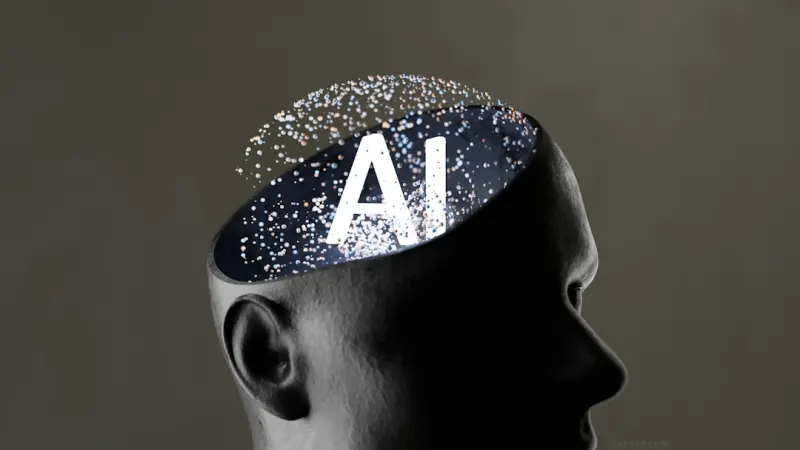
We live in a paradox: the more data we can access, the less we seem to understand. Every morning, our inboxes swell, news feeds chatter, and research papers pile up, creating a cognitive flood that most of us navigate with a shaky life raft. The brain’s natural filtering mechanisms are simply not built for the relentless, algorithm‑driven stream of today’s content, and the result is decision fatigue, shallow learning, and a lingering sense that we’re always behind. AI‑powered personal knowledge networks promise to turn this chaos into a curated river of insight, letting us focus on the ideas that truly matter rather than the noise that clogs our mental bandwidth.
What Exactly Is a Personal Knowledge Graph?
At its core, a personal knowledge graph is a structured map of the concepts, facts, and relationships that matter to you—think of it as a digital mind palace built with the help of machine learning. Instead of storing isolated notes, AI links each piece of information to related ideas, creating a web where retrieval is intuitive and context‑aware. This graph evolves as you consume new content, automatically tagging, summarizing, and connecting dots you might have missed. The beauty lies in its dynamic nature: it grows with you, reflecting shifting interests and emerging expertise without requiring you to manually re‑organize every entry.
Feeding the Graph: How AI Ingests and Summarizes Content
The first step in constructing a useful knowledge hub is feeding it high‑quality data. Modern AI models excel at parsing articles, podcasts, PDFs, and even social media threads, extracting key propositions and distilling them into bite‑sized summaries. By leveraging natural language understanding, these systems can recognize entities, detect sentiment, and identify cause‑and‑effect relationships across disparate sources. The result is a condensed knowledge base that captures the essence of each source while preserving enough nuance for deeper exploration. Over time, the AI learns your preferences, prioritizing topics you engage with most and filtering out content that falls outside your defined interests.
Building Your AI Knowledge Hub with Everyday Tools
You don’t need a custom-built platform to start; many existing note‑taking and cloud services now offer AI extensions that can serve as the backbone of your personal graph. For instance, integrating a smart note app with a language model allows you to tag, link, and query your entries in natural language. When you capture an idea, the AI suggests related notes, relevant research, and even potential applications in your work or hobbies. This seamless workflow mirrors the convenience of a digital assistant, yet it stays firmly rooted in your personal data ecosystem. Curious how this mirrors a broader trend? Check out AI as your everyday companion for a deeper dive into integrating AI into daily routines.
Retrieving Insight with Natural Language Queries
The real power of a knowledge graph shines when you ask it questions. Instead of scrolling through endless pages of notes, you can simply type, “What are the emerging trends in renewable energy financing?” and receive a concise, evidence‑backed answer that pulls from every relevant source you’ve stored. The AI interprets the intent, traverses the graph, and synthesizes a response that highlights connections you might not have consciously made. This conversational retrieval turns your repository into a living advisor, ready to inform strategic decisions, spark creative brainstorming, or settle a quick fact‑check.
Seamless Integration with Your Digital and Physical Environments
A truly effective knowledge network doesn’t stay confined to your laptop; it should flow into the tools you already use—email, calendars, even your home automation system. Imagine asking your smart speaker for a summary of the latest market research while you’re cooking dinner, or having your AI surface a relevant article the moment you schedule a meeting about that topic. By linking your knowledge hub to the smart home ecosystem, you create a feedback loop where insights inform actions and actions feed back new data, enriching the graph continuously.
Guarding Your Data: Privacy, Ownership, and Agency
With great power comes great responsibility, especially when your most personal thoughts are being processed by algorithms. It’s essential to choose platforms that prioritize data ownership, allowing you to export or delete your graph at will. Encryption, local processing options, and transparent model training practices help ensure that your intellectual capital remains under your control. Moreover, maintaining a habit of regular audits—reviewing which sources are feeding the graph and why—keeps the system aligned with your ethical standards and prevents inadvertent bias from seeping into your knowledge base.
Looking Ahead: The Next Frontier of Personal AI Knowledge
As AI models become more multimodal—understanding text, images, audio, and video—the scope of what your personal graph can capture will expand dramatically. Future iterations may auto‑generate visual mind maps, embed video snippets, or even suggest experiments based on your research interests. The convergence of generative AI with edge computing could soon enable offline, real‑time knowledge synthesis on your own devices, further reducing reliance on cloud services. Staying ahead means embracing these innovations early, experimenting with new integrations, and continuously refining the criteria that define “valuable knowledge” for you.
Take the First Step: Turn Chaos into Clarity Today
If you’re ready to replace the endless scroll with purposeful insight, start by selecting a single source—perhaps a favorite newsletter or a research feed—and let an AI tool ingest and map it for a week. Observe how the emerging connections surprise you, and gradually broaden the intake to include books, podcasts, and meeting notes. The journey from information overload to an organized, AI‑enhanced mind is incremental, but each step builds a resilient scaffold for lifelong learning. Dive in, experiment, and watch your personal knowledge graph transform the way you think, work, and create.

Jim Pearse, a seasoned freelance writer, brings a wealth of knowledge and passion to the world of home and garden. From the intricacies of landscaping to the nuances of interior design, Jim delves into every aspect of creating comfortable, beautiful, and functional living spaces.
Related Posts

Beyond Model Drift: Building Trustworthy AI That Grows With Your Business
Model drift silently erodes AI performance, risking revenue and compliance. This guide offers a prac... Read More

AI as a Creative Partner: Redefining Collaboration in the Enterprise
Artificial intelligence is evolving from a mere tool to a genuine creative partner. This post reveal... Read More

AI as Your Personal Memory Curator: Turning Everyday Moments into a Living Archive
Explore how AI transforms chaotic photo and note collections into a cohesive, secure memory archive,... Read More
Top Posts

Culinary Cartography: Charting Unseen Flavors on the Road
Journey beyond guidebooks with a flavor‑focused travel guide that blends tech, sustainable packing, and local stories to help you discover hidden culinary tre...Read More

Building a Portfolio Career: How to Safely Add a Side Hustle to Your Full‑Time Job
Learn how to diversify income, negotiate flexibility, and scale a side hustle without sacrificing your primary role....Read More

The Internal Gig Economy: Redefining Careers Within the Same Company
Discover why internal gig marketplaces are reshaping employment, offering employees project‑based flexibility while keeping them within the same organization,...Read More

Embracing the Garden Desk: How Outdoor Workspaces are Redefining Modern Employment
Explore the rise of garden desks and outdoor workspaces, and learn practical steps to transform your home office into a productivity‑boosting, wellness‑enha...Read More
0 Comments
Post Comment
You will need to Login or Register to comment on this post!