
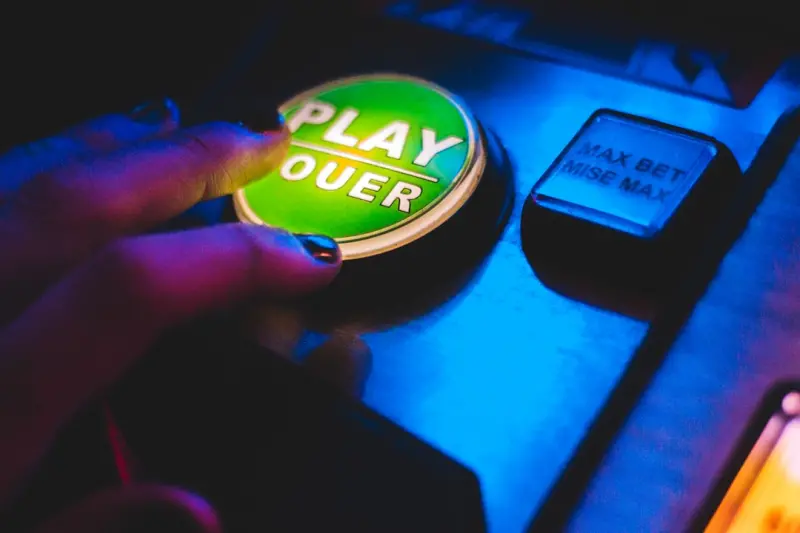
When I first heard the phrase “playful breaks,” I imagined a child’s recess, a quick game of hopscotch, or a spontaneous water‑balloon fight. It felt almost too whimsical for the corporate world I inhabit. Yet, after a year of deliberately sprinkling short bursts of play into my workday, I’ve witnessed a transformation that feels nothing short of revolutionary. My stress levels have softened, my focus sharpens, and a spark of creativity that had been dormant for months now flickers consistently. If you’re skeptical, keep reading—this isn’t about abandoning professionalism; it’s about re‑engineering the way our brains recharge.
What Exactly Is a “Playful Break”?
Think of a playful break as a micro‑dose of joy. It’s a brief, intentional pause that shifts your mindset from “task‑mode” to “exploratory mode.” Unlike a generic coffee break, which often devolves into scrolling through emails, a playful break purposefully engages the brain’s reward circuitry. It can be as simple as:
- Solving a quick puzzle or riddle.
- Drawing doodles without any agenda.
- Playing a 2‑minute rhythm game on your phone.
- Doing a goofy stretch or dance move at your desk.
These moments are short—typically one to five minutes—and are deliberately light‑hearted. Their power lies in the contrast they create: a swift switch from analytical thinking to playful curiosity, which resets mental fatigue and primes the brain for fresh insight.
The Science Behind Play and the Brain
Neuroscientists have long known that play triggers the release of dopamine, serotonin, and endorphins—chemicals that elevate mood and reinforce learning. A 2018 study published in Frontiers in Psychology demonstrated that participants who engaged in brief, novel activities showed a 20% boost in problem‑solving performance compared to those who took a passive break. The brain’s default mode network, responsible for mind‑wandering and creative synthesis, lights up during playful activities, allowing connections that normally remain dormant to surface.
Moreover, play activates the prefrontal cortex in a way that encourages flexible thinking while simultaneously reducing activity in the amygdala, the region that governs fear and stress. In plain language: you feel calmer, more open, and ready to tackle challenges from a fresh angle.
Why Traditional Breaks Often Miss the Mark
Most office cultures champion the “coffee‑and‑chat” break. While social interaction is valuable, many of these pauses become extensions of work: checking Slack, scrolling LinkedIn, or mentally rehearsing the next meeting. This mental overlap prevents true recovery, leaving us in a state of “productive fatigue.” A playful break, by contrast, is deliberately non‑task‑related and intentionally joyful, creating a clear mental boundary between work and rest.
Integrating Playful Breaks Into a Busy Schedule
Adopting playful breaks doesn’t require a radical overhaul of your calendar. Here are five actionable strategies you can implement today:
- Set a Play Timer. Use a simple timer app to remind you every 90 minutes. When it buzzes, stand up, stretch, and launch a quick game or doodle session.
- Curate a Play Toolbox. Keep a small drawer of tactile items—stress‑balls, a mini‑rubik’s cube, a stack of cards with brain teasers. Having physical prompts reduces friction.
- Leverage Digital Mini‑Games. There are dozens of browser‑based games designed for five‑minute bursts. Choose one with a low learning curve so you can dive straight in.
- Schedule “Play Hours” on Teams. Invite colleagues to join a collective playful break via video call. Shared laughter builds rapport and normalizes the practice.
- Link Play to Existing Rituals. Pair a playful break with an existing habit, like after you finish a report, reward yourself with a two‑minute doodle sprint.
Playful Breaks and the Broader Environment
Creating an environment that supports play can amplify its benefits. If your workspace feels sterile, you’ll likely shy away from spontaneous fun. This is where budget‑friendly home sanctuary tips become surprisingly relevant. A few soft lighting elements, a small plant, or a splash of color can make your desk feel less like a cubicle and more like an inviting nook where you’d actually want to pause and play.
Connecting Playful Breaks With Goal‑Setting
Play isn’t just a feel‑good add‑on; it can be a strategic lever for achieving larger objectives. By breaking tasks into micro‑chunks and rewarding each chunk with a playful burst, you create a feedback loop that reinforces momentum. The principle mirrors tiny wins for a resilient mindset, but with a twist: the win is followed by an explicit joy trigger, making the habit loop even stronger.
Playful Breaks for Remote Workers
Remote work can blur boundaries, making it harder to recognize when you need a reset. Incorporate visual cues—like a sticky note on your monitor that reads “Play?”—or set calendar blocks labeled “Playful Recharge.” Even a quick walk to the kitchen to perform a silly dance can serve as a mental palate cleanser when you’re stuck in front of a screen.
Measuring the Impact of Play
While the subjective feeling of “I feel better” is valuable, quantifiable data can help you stay committed. Try tracking:
- Focus Duration. Note how many uninterrupted minutes you can work after a playful break versus a regular coffee break.
- Idea Generation. Keep a running list of new ideas that surface post‑play. Over a month, you’ll likely see a pattern of increased creativity.
- Stress Levels. Use a simple 1‑10 scale before and after each break. Over time, you should observe a downward trend in baseline stress.
These metrics provide evidence that playful breaks are more than a fleeting fad; they’re a sustainable productivity enhancer.
Common Objections—and Why They’re Misguided
“I don’t have time.” A playful break is measured in minutes, not hours. Even a 60‑second stretch of laughter can reset cortisol levels.
“It looks unprofessional.” When practiced discreetly—headphones on, a quick sketch on a notepad—it’s invisible to most. In fact, leaders who model this behavior often see higher team morale.
“I’m not a ‘playful’ person.” Play is a skill, not an innate trait. Start with low‑stakes activities—like arranging colored pens in a pattern—and you’ll gradually feel more comfortable.
Integrating Playful Breaks With Nature
If you have access to a balcony, garden, or even a window with a view, combine play with a touch of the outdoors. A quick game of “spot the bird” or a five‑minute nature‑inspired doodle merges the benefits of outdoor immersion with playful cognition, creating a double‑dose of mental rejuvenation.
Long‑Term Benefits: From Burnout Prevention to Innovation
When playful breaks become a habit, they act as a protective buffer against chronic stress. Employees who regularly experience micro‑joys report lower rates of burnout, higher job satisfaction, and an increased propensity to propose innovative solutions. In a landscape where mental health is a top‑tier business metric, play is emerging as an unexpected yet powerful lever.
Getting Started: My 7‑Day Playful Challenge
To help you test the waters, I’ve crafted a simple challenge:
- Day 1‑2: Identify two playful activities you enjoy (e.g., doodling, a brain teaser).
- Day 3‑4: Set a timer for a 3‑minute play session after each major task.
- Day 5‑6: Pair each playful break with a quick stretch or a sip of water.
- Day 7: Reflect on any changes in focus, mood, or idea generation. Log your observations.
At the end of the week, you’ll have a personal data set that showcases the tangible impact of play. Use it to fine‑tune the type and frequency of breaks that work best for you.
Conclusion: Play Is Not a Luxury—It’s a Necessity
In a world that glorifies hustle, the idea of intentionally stepping away to be silly feels countercultural. Yet, the evidence is clear: our brains thrive on contrast, novelty, and joy. By integrating playful breaks into the rhythm of our workdays, we give ourselves the mental elasticity needed to adapt, create, and sustain high performance. So, the next time you feel that familiar dip in energy, resist the urge to scroll endlessly. Instead, give yourself permission to play—because a little fun can be the most professional thing you do all day.

Melanie Wilson, Freelance writer with a flare for everything. I am passionate about topics I write crafting stories and compelling content that connect with audiences. Journeying through the realms of creativity as a freelance creator. #WriterLife #ContentCreator
Related Posts
Digital Declutter: A Practical Blueprint for Mental Clarity
A systematic approach to cleaning up your digital life can dramatically reduce anxiety and improve c... Read More
Narrative Resilience: Harnessing Storytelling to Boost Mental Health at Work
Explore the power of narrative therapy in the workplace, with practical steps to embed storytelling ... Read More
Re‑Engineering Your Mental Safety Net for Remote Knowledge Workers
A practical framework for knowledge workers to create cognitive buffers, micro‑recovery rituals, a... Read More
Top Posts
Mastering Home Micro‑Climate Hacks for Year‑Round Comfort
Learn how to identify and balance micro‑climates in your home with low‑cost, practical strategies—from smart shading and airflow tricks to plant placement...Read More
Work‑From‑Anywhere as a Launchpad for a New Employment Paradigm
The shift to work‑from‑anywhere is more than a perk; it’s the foundation for a new employment model that blends autonomy, continuous skill growth, and pur...Read More

Beyond the Tourist Trail: How Sensory Play Turns Trips into Personal Masterpieces
Travel becomes a living art when you engage sight, sound, taste, touch, and smell. Learn practical tips to turn every journey into a sensory masterpiece that st...Read More

Micro‑Habits That Supercharge Your Longevity
David Moore explains how tiny, two‑minute actions—like calf raises while waiting for a meeting or a spoonful of chia in your coffee—compound over time to ...Read More
0 Comments
Post Comment
You will need to Login or Register to comment on this post!