
Why Breath Is the Missing Piece in Your Health Toolkit
When I first started coaching busy professionals, the conversation always circled back to diet, sleep, and movement. Everything seemed to revolve around what you put into or on your body. Yet, one of the most potent levers for health—breathing—was rarely mentioned. The truth is, breath is the bridge between the conscious and unconscious, the gateway that can instantly shift your nervous system from fight‑or‑flight to rest‑and‑digest. In this post, I’ll walk you through why breath matters, the science behind it, and a handful of simple techniques you can weave into any schedule.
The Physiology You Need to Know (Without a PhD)
Every inhale pulls oxygen into the bloodstream, fueling cells, while every exhale carries away carbon dioxide, a waste product. But breathing does more than oxygenate; it directly talks to the autonomic nervous system (ANS), which controls heart rate, digestion, and stress hormones.
- Sympathetic branch – the “accelerator” that spikes adrenaline when you’re stressed.
- Parasympathetic branch – the “brake” that slows everything down, promoting relaxation and recovery.
When you breathe shallowly and rapidly (think of a sprint or a panic episode), you inadvertently stimulate the sympathetic side. Conversely, slow, deep breaths engage the parasympathetic branch via the vagus nerve, a massive nerve that runs from the brainstem to the abdomen. Triggering the vagus nerve is the fastest way to lower heart rate, reduce cortisol, and bring mental clarity.
Why Most of Us Are “Breathing Wrong”
Modern life trains us to breathe with our chest, not our diaphragm. This chest‑centric pattern shortens the rib cage, limits oxygen exchange, and creates a subtle, chronic stress signal to the brain. The result?
- Higher baseline heart rate
- Reduced focus and decision‑making ability
- Increased anxiety and irritability
- Impaired digestion and immune function
Even if you hit the gym, you might still be missing out because the quality of your breath matters more than the quantity of reps.
Three Breath Practices You Can Start Right Now
Below are three evidence‑backed techniques that take under five minutes. Pick one that resonates, practice it consistently, and notice the shift in your energy, mood, and productivity.
1. Box Breathing (4‑4‑4‑4)
This method, popularized by Navy SEALs, is a simple square pattern that balances inhalation, hold, exhalation, and hold.
- Inhale through the nose for a count of 4.
- Hold the breath for a count of 4.
- Exhale slowly through the mouth for a count of 4.
- Hold again for a count of 4.
Repeat for four cycles. The rhythmic pause activates the parasympathetic system, and the equal timing trains the mind to stay present.
2. 4‑7‑8 Breath (Relaxation Reset)
Developed by Dr. Andrew Weil, this pattern taps directly into the vagus nerve.
- Exhale completely through the mouth, making a soft “whoosh” sound.
- Close your mouth and inhale quietly through the nose for a count of 4.
- Hold the breath for a count of 7.
- Exhale through the mouth, making the “whoosh” sound again, for a count of 8.
Do this three times before bed or whenever you feel tension building. The extended exhale lengthens the time your body spends in a relaxed state.
3. Diaphragmatic “Belly” Breathing (Grounding Technique)
This is the most natural way to engage the diaphragm.
- Place one hand on your chest and the other on your belly.
- Inhale slowly through the nose, directing the breath toward your belly so the hand there rises while the chest stays relatively still.
- Exhale through pursed lips, feeling the belly hand fall.
Practice for 2‑3 minutes in the morning, before a meeting, or during a break. It’s a subtle cue that tells your brain, “I’m safe,” which can improve focus instantly.
Embedding Breath Into a Busy Day
Now that you have the tools, let’s talk logistics. The key is micro‑integration—tiny moments that stack up without feeling like a chore.
- Screen‑on transitions: Every time you open a new tab or switch apps, pause for a single 4‑7‑8 breath. It resets your nervous system before you dive back in.
- Commute cue: Use the first stop of a train ride or a traffic light as a reminder to practice box breathing. The routine becomes automatic.
- Meeting buffer: Before any video call, close your eyes for 30 seconds and do a quick belly breath. You’ll appear calmer and more present on camera.
These micro‑moments are akin to “micro‑breaks” for the nervous system—short enough to fit into any schedule, powerful enough to produce measurable changes over weeks.
Breath, Focus, and Creativity: The Unexpected Link
When you engage the parasympathetic branch, you reduce the “mental noise” that crowds your thoughts. This quieting effect clears the path for deeper focus and creative insights. In my own practice, I’ve seen teams generate breakthrough ideas after a 5‑minute group breathing session. It’s not magic; it’s physiology.
If you’re curious about pairing breath with mental exercises, check out The Curiosity Habit. The habit of asking purposeful questions aligns beautifully with the calm state you create through breath.
Creating an Environment That Supports Your Breath
Our surroundings can either amplify or undermine our breathing practice. A cluttered, noisy space often triggers shallow, hurried breaths. Conversely, a calm, well‑lit environment invites deeper inhalations.
- Soundscape: Gentle ambient sounds—like a low hum of white noise or nature recordings—can cue slower breathing. For inspiration, read Auditory Architecture to learn how sound design can enhance well‑being.
- Lighting: Soft, natural light supports melatonin production and reduces eye strain, which in turn promotes relaxed breathing. A simple desk lamp with a warm hue can make a big difference.
- Digital boundaries: Constant notifications fragment attention and push the sympathetic system into overdrive. Setting clear digital boundaries gives your nervous system the breathing room it needs.
Measuring the Impact: Simple Metrics
You don’t need a fancy lab to see progress. Track these three low‑effort metrics for a month:
- Resting heart rate (RHR) – Measure each morning before getting out of bed. A drop of 3‑5 beats per minute often signals improved parasympathetic tone.
- Sleep latency – Note how long it takes to fall asleep after your nightly routine. Faster sleep onset suggests better nervous system balance.
- Subjective focus score – Rate your concentration on a 1‑10 scale before and after major work blocks. Look for a steady climb.
When you see trends upward, you’ve got data to prove that a few minutes of breath work are delivering tangible ROI on your health.
Common Pitfalls and How to Avoid Them
Even the best intentions can falter. Here are the top three mistakes newcomers make, plus quick fixes.
- Rushing the exhale: Many think a fast inhale is the goal. In reality, lengthening the exhale stimulates the vagus nerve most effectively. Slow it down.
- Forgetting posture: Slouching compresses the diaphragm. Sit tall, shoulders back, and keep the spine neutral for optimal lung expansion.
- Inconsistent practice: Sporadic attempts yield minimal benefit. Aim for at least one dedicated session per day, even if it’s just two minutes.
From the Desk to the Boardroom: Scaling Breath Practices Across Teams
If you lead a team, you can embed breathing into the culture. Here’s a simple rollout plan:
- Introduce the concept in a short 10‑minute meeting, sharing the science and a demo.
- Set a daily cue, such as a calendar reminder at 10 am for a collective 2‑minute box breath.
- Gather feedback after two weeks—look for reduced stress reports, higher focus scores, or even lower sick days.
- Iterate by adding variations (e.g., 4‑7‑8 before client calls) based on what resonates.
When a whole group practices together, the collective calm can cascade into a more collaborative, innovative environment.
Wrapping Up: Your Next Breath Is the First Step
Breathing is free, always available, and scientifically proven to shift your nervous system in seconds. By turning a simple inhale‑exhale into a purposeful ritual, you gain a powerful tool to combat stress, sharpen focus, and boost overall health—all without adding a single line to your to‑do list.
Take a moment now: close your eyes, place a hand on your belly, and inhale for four counts. Hold. Exhale for four. Feel the subtle change? That’s the start of a healthier you.

Amanda is a passionate writer exploring a kaleidoscope of topics from lifestyle to travel and everything in between.
Related Posts

Biofeedback Gaming: A New Frontier for Stress Resilience
Biofeedback gaming turns stress training into an interactive adventure, using real‑time physiologi... Read More

Breathing New Life into Remote Work: A Practical Guide to Breathwork for Health
Learn how intentional breathwork can transform remote‑work health, offering easy techniques, integ... Read More

Seeing the Light: How to Use Illumination for Better Health While Working Remotely
Learn how to audit your lighting, choose the right bulbs, sync illumination with your circadian rhyt... Read More
Top Posts

The Sensory Layering Method: A Fresh Take on Personal Care
Learn how to transform everyday grooming into a multi‑sensory experience using the Sensory Layering Method, a step‑by‑step guide that boosts mood, skin he...Read More
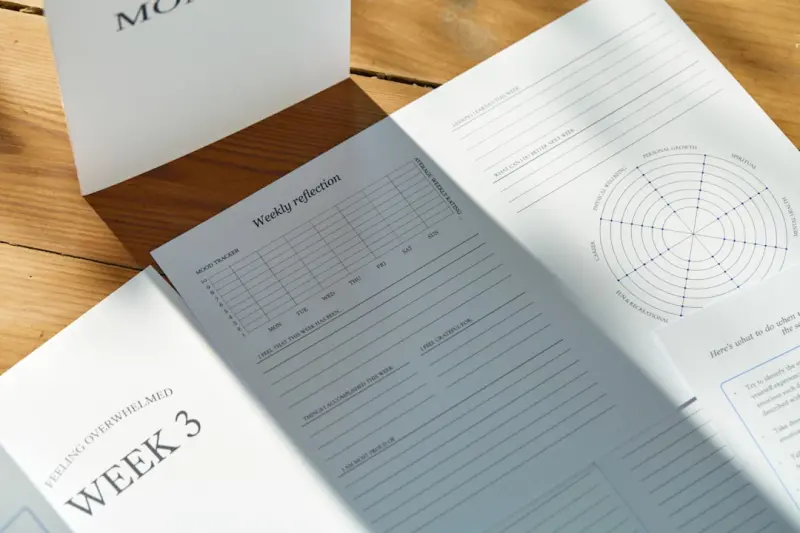
The Personal Care Playbook: Turning Body Optimization into a Business Advantage
A tactical guide that reframes personal care as a performance system, offering science‑backed habits, scent strategies, nutrition tips, and a simple dashboard...Read More

Travel as a Language Lab: One Phrase a Day to Unlock Hidden Worlds
Learn the power of a single daily phrase to turn ordinary trips into immersive cultural adventures, unlocking hidden gems and deeper connections....Read More
Breathing Back Balance: Simple Practices to Reset Your Nervous System
This post reveals why breath is the hidden lever for health, explains the science of the nervous system, and offers three easy techniques you can practice anywh...Read More
0 Comments
Post Comment
You will need to Login or Register to comment on this post!