
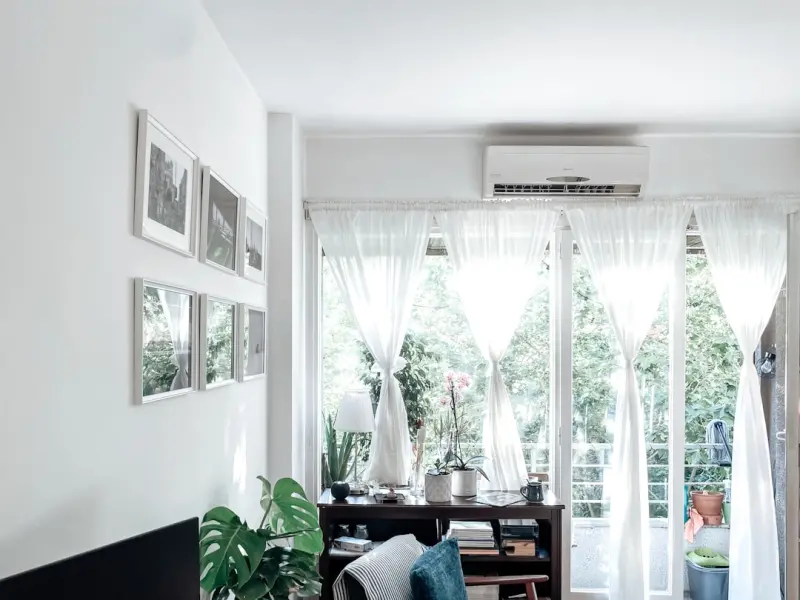
Why Your Home Needs Its Own Micro‑Climate Strategy
Ever walked into a room that feels like a desert while the rest of the house stays comfortably cool? Or stepped into a kitchen that feels like a sauna after a cooking marathon? Most of us treat our homes as a single thermal envelope, adjusting the thermostat for the entire space. The reality is that temperature, humidity, and air quality can vary dramatically from room to room, and those variations affect our comfort, health, and energy bills.
Enter the concept of micro‑climate zones—small, deliberately designed pockets within a house that maintain their own ideal conditions. Think of it as a personalized climate control system that works with, not against, the architecture of your home. The good news? You don’t need a pricey HVAC overhaul or a full‑blown smart‑home installation to get started. With a few strategic tweaks—plants, passive airflow tricks, and inexpensive smart devices—you can turn each room into its own comfort zone.
Understanding the Basics: Heat, Humidity, and Airflow
Before diving into the how‑to, let’s decode the three core variables that shape a room’s micro‑climate:
- Heat gain/loss: Sunlight, appliances, and even the number of occupants contribute to temperature swings.
- Humidity: Cooking, showers, and indoor plants all add moisture, while ventilation and heating can dry the air out.
- Airflow: Stagnant air feels stuffy. Proper circulation removes stale air and distributes temperature more evenly.
When you understand how these factors interact, you can begin to manipulate them in targeted ways rather than relying on a one‑size‑fits‑all thermostat setting.
Step 1: Map Your Home’s Heat Map (Without a Fancy App)
Grab a simple notebook and spend a weekend observing temperature differences. Walk through each room at three times of day—morning, noon, and evening—and note the readings on a cheap infrared thermometer or even a smartphone app. Pay attention to:
- Sun‑exposed walls that heat up quickly.
- Rooms with large windows that lose heat at night.
- Spaces with high‑usage appliances (kitchen, laundry).
This “heat map” will become your blueprint for where to focus micro‑climate interventions.
Step 2: Deploy Strategic Plant Power
Plants are not just décor; they are natural humidifiers, air purifiers, and modest heat regulators. Here’s how to choose the right green allies for each zone:
- For dry, sun‑baked rooms—think east‑facing living rooms—opt for moisture‑loving species like Boston fern or peace lily. Their transpiration adds humidity, offsetting the desert‑like feel.
- For humid kitchens or bathrooms—use succulents or snake plants, which thrive on low water and actually help absorb excess moisture.
- For spaces that need temperature moderation—large leafy plants (e.g., rubber plant, monstera) can shade nearby walls and absorb some heat during hot afternoons.
Place plants near windows, on shelves, or even hang them from the ceiling to create a layered micro‑climate effect. Remember, a single well‑positioned plant can shift perceived temperature by up to two degrees.
Step 3: Harness Passive Airflow with Simple Materials
Before you reach for a smart vent, explore low‑cost passive airflow tricks:
- Door draft stoppers: A rolled towel at the base of doors can direct air toward desired rooms instead of letting it escape.
- Strategic vent placement: Slightly opening a vent in a cooler room and a window in a warmer room creates a natural convection loop.
- Reflective window films: These reduce solar heat gain, especially on south‑facing windows, keeping the room cooler without sacrificing natural light.
These tactics are especially useful in older homes where the HVAC system may not be zoned.
Step 4: Upgrade to Smart, Low‑Cost Ventilation
If passive tricks aren’t enough, consider a single smart vent or a programmable fan. Modern devices can be set to run for a few minutes each hour, pulling cooler air from a basement or outdoor source during summer evenings and distributing it where it’s needed most. Many of these units sync with Wi‑Fi, letting you adjust them from your phone—no full HVAC zoning required.
Step 5: Insulate Selectively, Not Uniformly
Standard advice tells us to blanket the entire house with insulation, but that can be overkill if you only need to protect high‑heat zones. Focus on:
- Attic insulation above rooms with skylights—heat rises, so a well‑insulated attic prevents that heat from seeping down.
- Window insulation kits for single‑pane windows in rooms that lose heat at night.
- Door sweeps on exterior doors to block drafts that can make a room feel colder than it actually is.
These targeted upgrades improve comfort while keeping the budget in check.
Step 6: Leverage Upcycled Furniture for Climate Control
Furniture can double as climate assets. A reclaimed wooden bookshelf placed against a sun‑exposed wall can act as a thermal barrier, reducing heat transfer into the room. Similarly, a repurposed metal filing cabinet can serve as a heat sink in a home office. Check out this upcycled‑furniture home office guide for creative ideas on turning second‑hand pieces into functional climate allies.
Step 7: Monitor, Tweak, and Automate
Once you’ve implemented the basics, use affordable smart sensors (temperature and humidity) to track performance. Many sensors integrate with platforms like Google Home or Alexa, allowing you to set alerts—e.g., “Notify me when the bedroom humidity drops below 30%.” Over a few weeks, you’ll notice patterns and can fine‑tune plant placement, vent timing, or insulation tweaks.
Bonus: The Psychological Edge of Micro‑Climates
Beyond physical comfort, distinct micro‑climates can boost mental well‑being. A cool, quiet study room can improve focus, while a warm, slightly humid living area encourages relaxation. By deliberately shaping each space, you give yourself and your family subtle cues about how to behave—work, unwind, or create—without needing to enforce strict rules.
Putting It All Together: A Sample Room‑by‑Room Blueprint
Below is an example of how a typical three‑bedroom house can be transformed using the principles above:
- Living Room (South‑Facing, Sun‑Heavy):
- Place a large rubber plant in the corner opposite the window.
- Apply reflective film to the south‑facing glass.
- Install a smart vent set to draw cool air from the basement between 8 pm–10 pm.
- Kitchen (High Heat, High Humidity):
- Hang a snake plant on the wall near the stove to absorb excess moisture.
- Use a kitchen‑specific exhaust fan with a timer.
- Put a draft stopper under the pantry door to keep cooler hallway air from escaping.
- Master Bedroom (East‑Facing, Cool Mornings):
- Set a small humidifier on a nightstand to raise morning humidity.
- Place a reclaimed wooden dresser against the east wall as a thermal buffer.
- Use a door sweep to retain warmth overnight.
By customizing each zone, you’ll likely see a 10‑15% reduction in heating/cooling costs while feeling more comfortable throughout the day.
Final Thoughts: Small Steps, Big Payoffs
Creating micro‑climate zones is less about expensive renovations and more about intentional, low‑tech choices that respect the way heat, air, and moisture move through your home. Start with a quick temperature audit, add a few well‑chosen plants, and experiment with passive airflow. As you gather data, let technology enhance—not replace—your strategy. In the end, you’ll have a home that feels tailor‑made for every activity, season, and mood—all while keeping your wallet happy.

Ryan Stuart is a seasoned freelance features writer, editor, and professional photographer with a passion for exploring the world and capturing its beauty through words and images.
Related Posts
Micro‑Organizing: Transform Small Spaces with Multi‑Purpose Design
Learn how tiny, intentional changes—like layered lighting, adaptable furniture, and vertical stora... Read More
Transform Your Entryway into a Calm, Functional Welcome Zone
A well‑designed entryway can reduce stress and improve daily efficiency. Learn how to zone, light,... Read More
Quiet Corners: Mastering Home Acoustics for Better Focus
Learn how to transform noisy rooms into acoustic havens with rugs, curtains, DIY panels, plants, and... Read More
Top Posts

Edible Landscape Design: Grow a Garden That Feeds Both Body and Soul
Explore the art of edible landscaping—a garden that looks stunning and provides fresh, home‑grown produce. Learn plant selections, soil strategies, seasonal...Read More
From Numbers to Narrative: Harnessing AI to Turn Data into Business Stories
Artificial intelligence is moving beyond calculations to become a storytelling engine, turning spreadsheets into clear, actionable narratives that accelerate bu...Read More

The Quiet Health Engine: Harnessing Daily Gratitude for Better Well‑Being
A daily gratitude habit may seem modest, but its impact on brain chemistry, hormone balance, and immune function is profound. Learn how to integrate this simple...Read More
From Desk Duty to Portfolio Power: Turn Everyday Work Into Career Capital
Discover a repeatable system that turns ordinary tasks into career‑building case studies, helping you showcase impact, boost promotions, and stand out in any ...Read More
0 Comments
Post Comment
You will need to Login or Register to comment on this post!