

Welcome to Your Everyday Oasis: Small Rituals, Big Calm
When I first moved into my downtown loft, the hustle outside was relentless. The city’s pulse beat against my windows, and even the quiet moments felt like background noise. I realized that calm isn’t a distant vacation destination; it’s a series of intentional, bite‑sized habits woven into the fabric of your home. In this post, I’ll share the practices that turned my space from a frantic hub into a sanctuary—without a massive renovation budget or a complete lifestyle overhaul. Think of it as a toolbox of subtle tweaks that anyone can adopt, regardless of square footage or décor style.
1. Curate Your Visual Landscape
The things you see every day shape your mood more than you might admit. A wall of mismatched frames, a cluttered bookshelf, or a chaotic countertop can subtly drain energy. Start by choosing a visual anchor—a piece of art, a plant, or a decorative object—that resonates with you. Place it where your eyes naturally wander, such as opposite the entry door or above the kitchen sink. This simple focal point creates a sense of order and intention.
Next, practice the “one‑in, one‑out” rule for décor. For every new item you bring in, retire one that no longer serves a purpose or sparks joy. Over time, this habit keeps surfaces clear and ensures that each object has a reason to be there.
2. Harness the Power of Light, Not Just Bulbs
Light is the most underrated mood‑setter in any home. While many readers might recall the DIY smart energy hacks we explored earlier, today we’ll focus on the human side of illumination. Natural light should be your primary source—open curtains fully during the morning and keep workspaces near windows.
When natural light fades, layer your lighting: use a warm, low‑intensity lamp for relaxation areas and a cooler, brighter light for task‑heavy zones like the kitchen or home office. Consider adding a dimmer switch; it gives you the flexibility to transition from “focus mode” to “wind‑down mode” with a simple twist.
3. Soundscapes That Soothe, Not Distract
Even if you’ve read about mastering home acoustics, you can still fine‑tune the auditory environment without installing acoustic panels. Start by identifying the most intrusive sounds in each room—traffic, a barking dog, the hum of appliances. Simple solutions like weather‑stripping doors, adding thick curtains, or placing a rug can dramatically reduce echo and external noise.
Introduce gentle background sounds that support the activity at hand. A low‑volume nature playlist while cooking can make the kitchen feel like a forest clearing, while a soft instrumental track during evening reading can deepen relaxation. The key is consistency: make these soundscapes a habitual backdrop rather than an occasional novelty.
4. Scent as a Subtle Signal
Our sense of smell is directly linked to memory and emotion. Curating a home fragrance routine can cue your brain to shift gears. Choose three signature scents: one for energizing (citrus or peppermint), one for calming (lavender or chamomile), and one for grounding (sandalwood or cedar). Rotate them based on the time of day: energizing aromas in the morning kitchen, calming scents in the living room after work, and grounding notes in the bedroom before sleep.
Instead of costly diffusers, repurpose simple items: simmer a pot of water with citrus peels, use a few drops of essential oil on a cotton ball placed near the HVAC vent, or keep a small bowl of dried herbs on a nightstand. These low‑effort tricks keep the atmosphere fresh without overwhelming your senses.
5. Micro‑Zones for Macro Benefits
One of my favorite discoveries was the concept of tiny home transformations. Rather than overhauling an entire room, carve out purposeful “micro‑zones” that serve a single function. A three‑foot square beside the hallway can become a “mind‑pause” corner with a small cushion, a tiny stack of books, and a candle. A corner of the kitchen counter can be dedicated to a “brew‑station” with a French press, a jar of beans, and a small timer.
These micro‑zones act as visual and physical reminders to engage in healthy habits. When you walk past the mind‑pause corner after a stressful call, you’re invited to sit, breathe, and reset. When you enter the kitchen, the brew‑station nudges you toward a mindful coffee ritual instead of a rushed caffeine grab. The cumulative effect of these tiny, intentional spaces is a home that constantly encourages well‑being.
6. Sustainable Rituals That Feel Luxurious
Eco‑friendly practices can double as sensory delights. Instead of tossing used tea bags into the trash, dry them out and use them as natural deodorizers for your fridge or shoe closet. Repurpose glass jars as stylish storage for pantry staples; line them with a decorative fabric for a boutique feel.
For a touch of luxury, create a “self‑care refill station.” Keep a basket of reusable cotton rounds, a small bottle of homemade facial mist (distilled water, a splash of rose water, and a few drops of tea tree oil), and a soothing hand cream. Place it near the bathroom sink, so after washing hands you’re reminded to pamper them for a moment. The ritual becomes a pause that celebrates both sustainability and self‑care.
7. Movement‑Integrated Home Design
Physical movement is a cornerstone of mental clarity, yet many of us forget to embed it into our living spaces. A simple strategy is to integrate “movement triggers” throughout the home. Attach a resistance band to a sturdy door frame in the bedroom for a quick stretch before bed. Place a yoga mat rolled and tucked behind the sofa for an easy roll‑out when you need a short flow.
Even the act of tidying can become a movement practice. Set a timer for five minutes and commit to a “micro‑clean” session—sweeping the hallway, wiping down a countertop, or reorganizing a drawer. This purposeful motion not only maintains order but also releases endorphins, reinforcing a sense of accomplishment.
8. Personalize Your Routine With Technology, Not Over‑Automation
Technology can be a subtle ally when used wisely. Instead of flooding your home with gadgets, pick one or two that truly enhance your rituals. A programmable plug for a low‑heat lamp can cue your evening reading time. A smart speaker set to a “focus” routine can dim lights, start a white‑noise playlist, and remind you to stretch after an hour of work.
Remember, the goal is to let technology serve your calm, not dominate it. Keep the interface simple—one button, one voice command, one clear intention. When the tech feels intuitive, it becomes an invisible facilitator of your peace.
9. The Power of a Rotating Gallery
Art and photographs are more than decoration; they’re emotional anchors. Instead of letting walls become static, create a rotating gallery that reflects your current mood or seasonal vibe. Use a simple wire and clip system or a series of matching frames with interchangeable backs. Every month, swap out a few pieces—perhaps a travel photograph from a recent hike, a printed quote that resonates, or a small watercolor you painted.
This practice keeps visual interest alive, invites reflection, and prevents stagnation. It also gives you a reason to revisit memories and celebrate milestones, reinforcing a sense of continuity within your space.
10. Closing the Loop: Consistency Over Perfection
The most transformative home habits are those you can sustain. It’s tempting to launch a massive overhaul, but the real magic lies in consistent, tiny actions that compound over time. Choose three of the ideas above that resonate most with you, implement them this week, and observe the subtle shifts in your mood and productivity.
When a habit feels natural, celebrate it. When it slips, treat it as a data point—not a failure. Over weeks and months, you’ll notice your home evolving from a place you merely occupy to a living, breathing extension of your well‑being.

Laura Wilson is a freelance writer specializing in the dynamic and ever-evolving field of health. With a passion for translating complex medical information into accessible and engaging content, Laura brings a wealth of knowledge and a fresh perspective to topics ranging from preventative care and nutrition to cutting-edge research and innovative treatments.
Related Posts

Create a Stress‑Free Home Sanctuary on a Budget
Turn your living space into a calming sanctuary without costly renovations by decluttering purposefu... Read More

Silent Power: How Smart Lighting Transforms Mood and Energy at Home
Learn to turn any room into a mood‑responsive sanctuary with smart lighting, from morning focus bo... Read More

How to Keep Your Home Feeling Fresh with Seasonal Decor Swaps
Learn how to transform your home with simple seasonal decor swaps, using color psychology, smart sto... Read More
Top Posts

The Hidden Power of Everyday Home Tweaks: Boost Comfort, Save Money, and Reduce Stress
Learn how tiny, often overlooked adjustments—like optimizing entryways, passive cooling, acoustic fixes, and micro‑rituals—can transform your home into a ...Read More
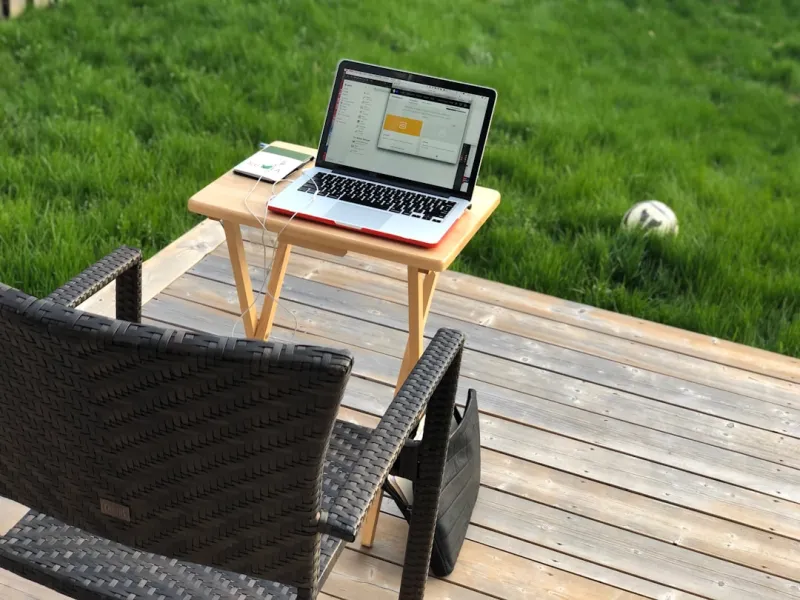
Garden Desks Are Redefining Employment in 2026
Garden desks are turning lawns into high‑performance offices, marrying nature with productivity. Discover why this green shift is the hottest employment trend...Read More

A Fresh Take on Mental Health: Crafting Your Personal Dashboard
Discover a step‑by‑step guide to designing a mental‑health dashboard that turns everyday feelings into clear data, helping you manage stress, boost energy...Read More

What to do in Alberta, Canada This Summer
Discover the best way to spend your summer in Alberta, Canada. From the turquoise glacial lakes of Banff to the urban excitement of the Calgary Stampede, this g...Read More
0 Comments
Post Comment
You will need to Login or Register to comment on this post!