
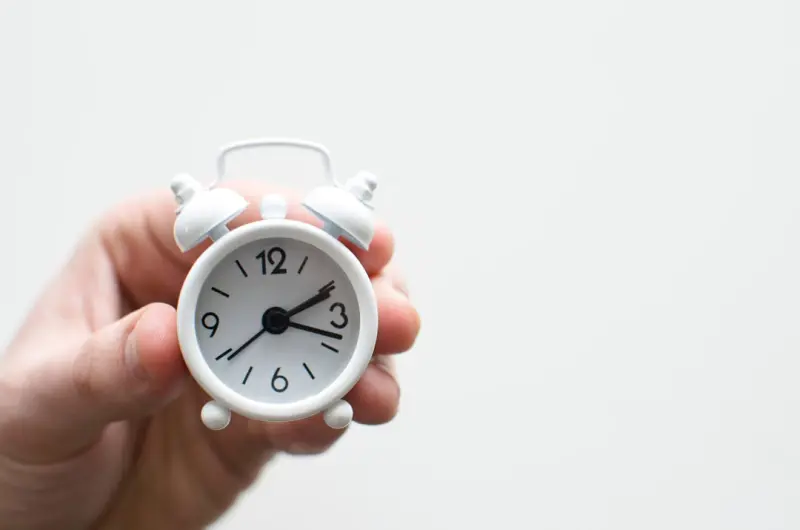
Turning Transit Time into a Personal Discovery Lab
There’s a peculiar magic that happens when you’re stuck on a train, hovering between cities, or waiting in a gate that feels more like a waiting room for the world. Most travelers treat these moments as wasted time, a necessary evil before the “real” adventure begins. I’ve learned to see them instead as a portable laboratory where curiosity, creativity, and connection are tested and refined. In this post I’ll walk you through the mindset shift, the simple tools, and the tiny rituals that transform every layover, commute, or delayed flight into a purposeful mini‑expedition.
Why the “In‑Transit” Moment Matters
When we think about travel, the mental image is usually a postcard‑perfect landscape, a bustling market, or a sun‑kissed beach. But the reality of moving between those moments is a series of interstitial spaces—airports, train stations, buses, even the backseat of a car. These are the places where we have no script, no itinerary, and often, no distractions. That openness makes them perfect for:
- Observational practice: honing the skill of noticing subtle cultural cues, from the way locals queue to the rhythm of a station announcement.
- Micro‑learning: listening to a short podcast, reading a local news snippet, or skimming a language guide.
- Creative incubation: letting ideas gestate while the world moves around you, often resulting in breakthroughs you wouldn’t have in a static office.
In short, these moments become a fertile ground for the kind of slow, intentional travel that fuels lasting memories.
Setting Up Your Mobile Discovery Kit
Before you even step onto a plane, a lightweight kit can make the difference between scrolling mindlessly and engaging meaningfully. Here’s my go‑to list, designed to fit in a small carry‑on or a day‑pack:
- Compact notebook or sketchpad – I prefer a 5×7 inch Moleskine with a softcover that slides easily into a laptop sleeve.
- Pen set – One fine‑point ballpoint for quick notes and a water‑proof brush pen for doodles that might get wet.
- Noise‑cancelling earbuds – Perfect for diving into audio content without disturbing fellow passengers.
- Mini language cheat sheet – A laminated card with key phrases, pronunciation tips, and a tiny QR code linking to a translation app.
- Portable charger – No power, no productivity.
- Travel‑size aromatherapy roll‑on – A grounding scent like cedarwood helps keep the mind centered when the environment feels chaotic.
Each item is chosen for its ability to spark curiosity without adding bulk. The goal isn’t to carry a full‑blown office, but rather a handful of catalysts that invite you to notice, learn, and create.
Micro‑Rituals for Turning Boredom into Insight
Once you have your kit, the next step is establishing tiny habits that anchor your attention. Below are three rituals I practice on every journey, and you can adapt them to suit your own style.
1. The “Five‑Object Scan”
Before you settle into your seat, glance around and pick five objects that catch your eye. Write a single line about each—what it is, its color, the texture, or the story you imagine behind it. This practice sharpens observation and gives you a quick visual diary entry. For example, a faded railway timetable can become a prompt for a story about time zones, while a child’s handmade toy might spark a reflection on local craftsmanship.
2. The “Audio Bite” Challenge
Instead of reaching for the same generic playlist, dive into a power of soundtrack that’s native to your destination. If you’re heading to Lisbon, queue up fado; if you’re bound for Osaka, explore ambient city sounds. Listen for a few minutes, then jot down the emotions the music evokes. This not only enriches your sensory experience but also serves as a cultural bridge—music often carries stories that words can’t capture.
3. The “Question Jar” (Digital Edition)
Open a note‑taking app and create a running list of questions that arise during transit—“Why do locals greet with a bow instead of a handshake?” or “What’s the story behind this mural?” When you arrive at your destination, prioritize these curiosities. The anticipation of finding answers transforms a dull wait into a treasure hunt.
From Observation to Action: Leveraging Transit Time for Creative Projects
Many travelers think of their trips as a break from work, but the truth is that creativity doesn’t need a static setting. In fact, the kinetic energy of movement can be a catalyst for fresh ideas. Here’s how you can channel that energy:
Idea Mapping on the Go
Use a mind‑map layout in your notebook. Start with a central theme—perhaps “Sustainable Food in Southeast Asia”—and branch out with sub‑ideas you encounter during the journey. Even if you’re on a short flight, a single branch can evolve into a full blog post or a pitch for a new project.
Storyboarding a Travel Narrative
Sketch quick frames of a scene you expect to encounter—a bustling night market, a sunrise over a hill, a quiet library. These thumbnails become a storyboard you can flesh out later with photos and text. The act of visual planning keeps the excitement alive and provides a ready‑made structure for post‑trip content.
Mini‑Interviews with Fellow Travelers
Every commuter has a story. Strike up a brief conversation (respectfully, of course) and ask a single, open‑ended question like, “What’s the most unexpected kindness you’ve experienced on the road?” Capture their answer in a few bullet points. These anecdotes become rich, human‑focused material that can add depth to any travel piece.
Turning the Transit Experience into a Learning Loop
The real power of treating transit as a discovery lab lies in the feedback loop you create. After you’ve arrived and explored, revisit the notes you made during the journey. You’ll notice patterns—perhaps a recurring theme of “community spaces” or “food markets as cultural hubs.” Those patterns can inform future itineraries, guide deeper research, or even shape the focus of an upcoming article series.
One practical way to close the loop is to dedicate a brief “debrief” session after each leg of travel. Spend 10‑15 minutes reviewing your notebook, summarizing key insights, and setting a micro‑goal for the next destination—like visiting a local artisan workshop that aligns with your earlier “question jar” entry.
Case Study: A Week of “Transit‑Inspired” Exploration
To illustrate how these practices can reshape an entire trip, let me share a recent itinerary that revolved around the concept of “in‑transit curiosity.” I started in Berlin, took a night train to Prague, then a short flight to Dubrovnik, followed by a ferry to the islands of Hvar and Vis, before catching a boat back to the mainland.
- Berlin to Prague: During the three‑hour train ride, I performed the “Five‑Object Scan” and discovered a vintage luggage tag tucked beneath a seat. It sparked a mini‑research project on historic European travel branding, which later became a short blog post.
- Prague Airport: I used the “Audio Bite” challenge, listening to a local indie band that played in the terminal’s lounge. The song’s lyrics mentioned a forgotten garden behind the city walls, prompting me to add an off‑the‑beaten‑path garden tour to my Prague itinerary.
- Dubrovnik Flight: While waiting for boarding, I opened my “Question Jar” and found the entry “How do coastal towns preserve marine heritage?” Upon arrival, I joined a guided snorkeling tour that highlighted a community‑run marine sanctuary, giving me a first‑hand answer.
- Ferry to Hvar: The rolling sea became a natural metronome for a quick sketch session. I drew the silhouette of the ferry’s deck against the sunset, later using the sketch as the cover image for a travel newsletter.
- Return Ferry: I struck up a conversation with a fellow traveler from Slovenia about his experiences with “slow transit.” His suggestion to explore a hidden trail near the port led us to a secluded viewpoint that became the highlight of our day.
By the end of the week, my notebook was a mosaic of observations, sketches, questions, and tiny narratives—each piece feeding into the next leg of the journey. The result? A richer, more interconnected travel experience that felt less like a series of disconnected stops and more like a continuous story.
Tech Tools That Complement the Analog Approach
While the core of this method is tactile—pen, paper, and presence—technology can enhance the process without overwhelming it. Here are a few tools I find useful:
- Voice‑to‑text apps – When you’re juggling a carry‑on, speaking your thoughts into a phone can be faster than writing.
- Location‑tagging services – A simple “Add to map” feature in a note app helps you later recall exactly where a particular observation was made.
- Digital mood boards – Platforms like Milanote let you quickly pin photos, quotes, and sketches into a visual collage that grows with each leg of travel.
Remember, the goal is to keep the tools as unobtrusive as possible. The moment you start feeling the need to manage a complex app, you’re likely pulling away from the very mindfulness that makes transit time valuable.
Integrating Transit Insights into Your Professional Life
Many readers are professionals who travel for work, and they can reap surprising benefits from this approach. When you bring a fresh, observation‑driven mindset back to the office, you’ll notice:
- Enhanced empathy – Seeing how people navigate cramped spaces can translate into better understanding of client constraints.
- Creative problem‑solving – The rapid, on‑the‑fly adjustments you make during a delayed flight train your brain to think laterally.
- Improved storytelling – The anecdotes and micro‑narratives you collect become powerful assets for presentations, pitches, and internal communications.
In fact, one colleague recently told me that a simple “train‑window observation” about a commuter’s improvisation with a broken ticket machine inspired a new workflow automation in our SaaS platform. That’s the ripple effect of treating transit time as a lab rather than a lull.
Putting It All Together: Your First Transit Lab Session
If you’re ready to give this approach a try, here’s a quick starter plan for your next journey:
- Pack your discovery kit – Grab the notebook, pen, earbuds, and any other micro‑tools you prefer.
- Choose a single ritual – Begin with the “Five‑Object Scan” on your next flight or train ride.
- Document in real time – Write brief notes, doodles, or voice memos as you observe.
- Reflect immediately – During a coffee break or after arrival, spend five minutes reviewing what you captured.
- Iterate – Add another ritual (audio bite, question jar) on your next segment and notice how the layers build.
Before you know it, those seemingly idle moments will become a vibrant archive of insights, stories, and creative sparks that enrich every facet of your travel—and your work.
Final Thoughts: Embrace the In‑Between
Travel isn’t only about the destinations we check off; it’s also about the corridors that connect them. By turning transit time into a personal discovery lab, you reclaim agency over those in‑between spaces, turning them from interruptions into intentional experiences. The next time you find yourself waiting at a gate, remember that the world is offering you a quiet stage to observe, learn, and create. All you have to do is step onto it.

Steph Sanderson is a Toronto-based freelance writer and content creator with a clear passion: crafting compelling articles. With a dedication to clear, engaging prose and a knack for storytelling, Steph brings a wealth of experience to every project.
Related Posts

Finding Freedom on the Road: How a Digital Detox Transforms Travel
A digital detox isn’t just a trend—it’s a pathway to deeper, more meaningful travel. Learn why... Read More

Narrative Nomad: Turning Every Trip Into a Story
Travel isn’t just about sights—it’s a living story. Discover how a capsule wardrobe, chronobio... Read More
Turning Everyday Commutes into Curiosity‑Fuelled Adventures
Learn to treat every commute as a mini‑expedition with sensory mapping, portable travel kits, culi... Read More
Top Posts

How Jet Lag Can Supercharge Your Creativity and Decision‑Making
Jet lag isn’t just a hassle; it’s a brain‑reset that can spark fresh ideas. Learn how to use the temporary disorientation of crossing time zones to boost ...Read More

Turning Transit Time into Growth: A Remote Pro’s Guide to Productive Travel
Discover actionable tactics for turning travel downtime into productive growth, from micro‑learning and AI‑driven planning to mindful movement and skill‑s...Read More

The Secret Life of Your Skin’s Microbiome: A Personal Care Revolution
Explore how the skin’s hidden ecosystem of microbes can be supported through gentle cleansing, probiotic products, lifestyle tweaks, and DIY recipes, turning ...Read More

The Ear‑Level Health Hack: Using Sound to Elevate Focus, Recovery, and Sleep
Explore the untapped power of sound to transform your health. Learn evidence‑based strategies for using curated audio to sharpen focus, accelerate recovery, a...Read More
0 Comments
Post Comment
You will need to Login or Register to comment on this post!