
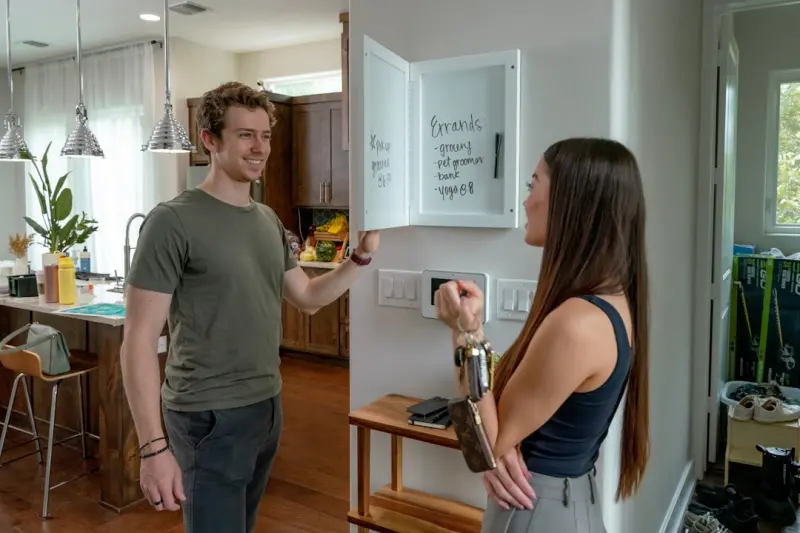
Why Small Adjustments Matter More Than Major Renovations
When I first bought my place, I fell into the classic “big‑project” mindset: paint the walls, replace the flooring, and upgrade the appliances. It felt like the only way to truly make a home feel my space. But after a few costly remodels and a lot of dust, I realized the real magic lives in the tiny, almost invisible changes we make day‑to‑day. Those micro‑adjustments don’t just look good—they save money, boost comfort, and even lift our mood.
1. Light That Works for You, Not Against You
Natural light is free, abundant, and a proven mood enhancer. Yet most of us leave curtains drawn or rely on harsh overhead bulbs. Here’s how to make light an ally:
- Morning Sun Ritual: Open blinds as soon as sunrise hits. Even 15 minutes of direct sunlight can reset your circadian rhythm, making you feel more alert.
- Strategic Mirrors: Place a mirror opposite a window to bounce light deeper into a room. It creates the illusion of space without a single square foot of renovation.
- Warm LED Bulbs: Swap out cold white fluorescents for warm‑tinted LEDs (2700‑3000K). The softer hue reduces eye strain and signals your brain that it’s time to relax.
When you align your lighting with your daily rhythm, you’ll notice a subtle boost in energy levels—no caffeine required.
2. Harness the Power of Thermal Comfort
Heating and cooling bills can skyrocket, but comfort isn’t just about cranking the thermostat. Small steps can make a big thermal impact:
- Seal Drafts with a DIY Tape: Use painter’s tape or removable weather stripping on windows and doors that let drafts creep in. It’s inexpensive and reversible.
- Radiator Reflectors: Slide a thin foil sheet behind radiators to bounce heat back into the room instead of letting it escape through the wall.
- Layered Bedding: Instead of turning the heat up at night, add a lightweight, breathable blanket. Your body temperature stays stable, and your energy bill drops.
3. Quiet, Calm, Focused: Sound Management Without a Full‑Blown Sonic Sanctuary
While many of us have read Create a Sonic Sanctuary at Home with Simple Tweaks, there are even quicker fixes for those who need a little hush without a full redesign.
- Door Draft Stoppers: A rolled‑up towel at the base of a door muffles hallway noise, especially if you work from a room that shares a wall.
- Fabric Wall Hangings: Thick tapestries or woven blankets absorb echo, turning a reverberant room into a softer acoustic space.
- White Noise Apps: A low‑volume fan or a phone app can mask disruptive sounds (traffic, neighbors) without the need for costly soundproof panels.
4. Declutter with Purpose, Not Panic
Clutter isn’t just an eyesore; it drains mental bandwidth. Instead of a massive purge, try the “one‑in, one‑out” rule: for every new item you bring home, let go of an existing one. Keep a dedicated “holding bin” for items you’re unsure about—if you haven’t needed them after 30 days, it’s safe to donate.
5. Optimize Your Home Office for Flow, Not Friction
Working from home has turned many living rooms into makeshift offices. To keep productivity high without building a dedicated suite, follow these micro‑tips:
- Desk Placement: Position your workstation near a window for natural light, but not directly facing it to avoid glare.
- Cable Management: Use velcro straps or simple zip ties to bundle cords. A tidy desk surface reduces visual clutter and improves focus.
- Micro‑Break Zones: Place a small plant or a calming object within arm’s reach. Glancing at it for a few seconds can give a mental reset without losing momentum.
6. Low‑Effort Greenery for Air Quality and Mood
Plants are the unsung heroes of home wellness. A few hardy species like snake plant, pothos, or ZZ plant can improve air quality, lower CO₂ levels, and boost your mood.
- Strategic Placement: Put a tall plant in the corner of a living area to act as a natural room divider and visual anchor.
- Watering Routine: Set a weekly reminder on your phone. Over‑watering is the most common mistake; most indoor plants prefer to dry out between drinks.
- DIY Self‑Watering Pot: Insert a water‑absorbing crystal at the base of the pot. It releases moisture gradually, cutting down the watering frequency.
7. Seasonal Swaps That Don’t Require a Full Redecorating
Instead of a full‑blown seasonal refresh (which we covered in Seasonal Home Refresh: Simple Swaps to Energize Every Room), try these micro‑changes that keep the vibe fresh without the hassle:
- Cushion Covers: Rotate colors and textures each season. A set of pastel pillowcases in spring feels entirely different from deep jewel tones in winter.
- Scent Switch: Use essential oil diffusers or scented candles that align with the season—citrus for summer, cinnamon for fall.
- Tabletop Accents: Swap a few decorative objects (like a bowl of pinecones for winter or a bowl of fresh lemons for summer). They’re inexpensive and instantly shift the ambience.
8. Create a Mini “Digital‑Free Sanctuary” Anywhere
If you love the idea of unplugged spaces but don’t want to dedicate an entire room, carve out a small “digital‑free corner.” A single chair, a soft throw, and a small bookshelf become a pocket of calm. For a deeper dive into this concept, check out Digital‑Free Sanctuaries: Crafting Home Zones That Let You Unplug and Recharge.
9. Smart Storage Hacks That Feel Like Magic
Running out of space is a universal pain point. Here are three low‑cost storage tricks that can make any room feel larger:
- Under‑Bed Bins: Use clear, rolling bins for seasonal clothing or extra linens. The transparency means you can see what’s inside at a glance.
- Floating Shelves: Install a narrow floating shelf above a desk or kitchen counter. It holds books, spices, or decorative items without taking floor space.
- Multi‑Purpose Furniture: Look for ottomans with hidden compartments or coffee tables that double as storage trays.
10. A Quick Energy Audit You Can Do in 15 Minutes
Before you call an electrician, grab a notebook and walk through each room. Note any of these red flags:
- Flickering lights (possible wiring issue)
- Warm outlets (overloaded circuits)
- Stubbornly high energy‑use appliances (old refrigerator, space heater)
Jot down which items can be upgraded to ENERGY‑STAR models or simply turned off when not in use. A few minutes of observation can lead to noticeable savings on your next bill.
Putting It All Together: A 30‑Day Micro‑Improvement Challenge
To make these tips less overwhelming, try a staggered approach. Pick one category each week, implement the suggested tweaks, and track how you feel. Below is a simple roadmap:
- Week 1 – Light & Air: Adjust curtains, add mirrors, and place a fan near a window.
- Week 2 – Sound & Silence: Install door draft stoppers, hang a tapestry, and set up a white‑noise app.
- Week 3 – Green & Calm: Introduce two low‑maintenance plants and create a digital‑free corner.
- Week 4 – Storage & Efficiency: Add under‑bed bins, floating shelves, and conduct a quick energy audit.
By the end of the month you’ll have a home that feels brighter, quieter, greener, and more organized—without the stress of a massive renovation.
Final Thought: The Cumulative Power of Tiny Wins
We often underestimate the compound effect of micro‑adjustments. One new habit, one small purchase, one minute of mindful observation—each adds up. In the same way a single seed grows into a towering tree, a handful of thoughtful tweaks can transform your living environment into a place that genuinely supports your well‑being and productivity. Give yourself permission to experiment, iterate, and celebrate each tiny victory. Your home, and your mind, will thank you.

Tyler Johnson is a seasoned freelance writer with a keen eye for detail and a passion for crafting compelling narratives. His years of experience have honed his ability to adapt his style to suit diverse client needs and project requirements.
Related Posts

Revamp Your Home with Low‑Effort, High‑Impact Tweaks
Learn how small, strategic changes—like smarter lighting, sound management, multi‑functional zon... Read More
The Secret Power of a Purpose‑Built Entryway
Learn how to redesign your entryway into a purposeful zone that reduces clutter, saves energy, and s... Read More

Multi‑Functional Furniture Secrets: Turn Every Corner Into a Purpose‑Built Zone
Discover practical, budget‑friendly strategies to turn any room into a multi‑functional zone, us... Read More
Top Posts

Why Employment Sabbaticals Are the Secret Weapon for Long‑Term Career Resilience
Explore the hidden benefits of employment sabbaticals, learn how to pitch them to your boss, and turn time off into a strategic career accelerator....Read More

Soundscapes for the Soul: Curating Audio to Calm the Mind
Explore the power of curated audio environments—natural, ambient, and binaural—to lower stress, sharpen focus, and improve sleep, all backed by neuroscience...Read More

Beyond the Mirror: Data‑Driven Skincare for a Smarter Routine
A deep dive into using wearable sensors, humidity monitors, and smart home devices to create a data‑driven skincare routine that balances science and self‑c...Read More

Designing Quiet Corners: A Blueprint for Home Calm
Discover practical strategies to carve out peaceful corners in your home, from layered sound‑proofing and warm lighting to greenery and tech‑enhanced calm, ...Read More
0 Comments
Post Comment
You will need to Login or Register to comment on this post!